





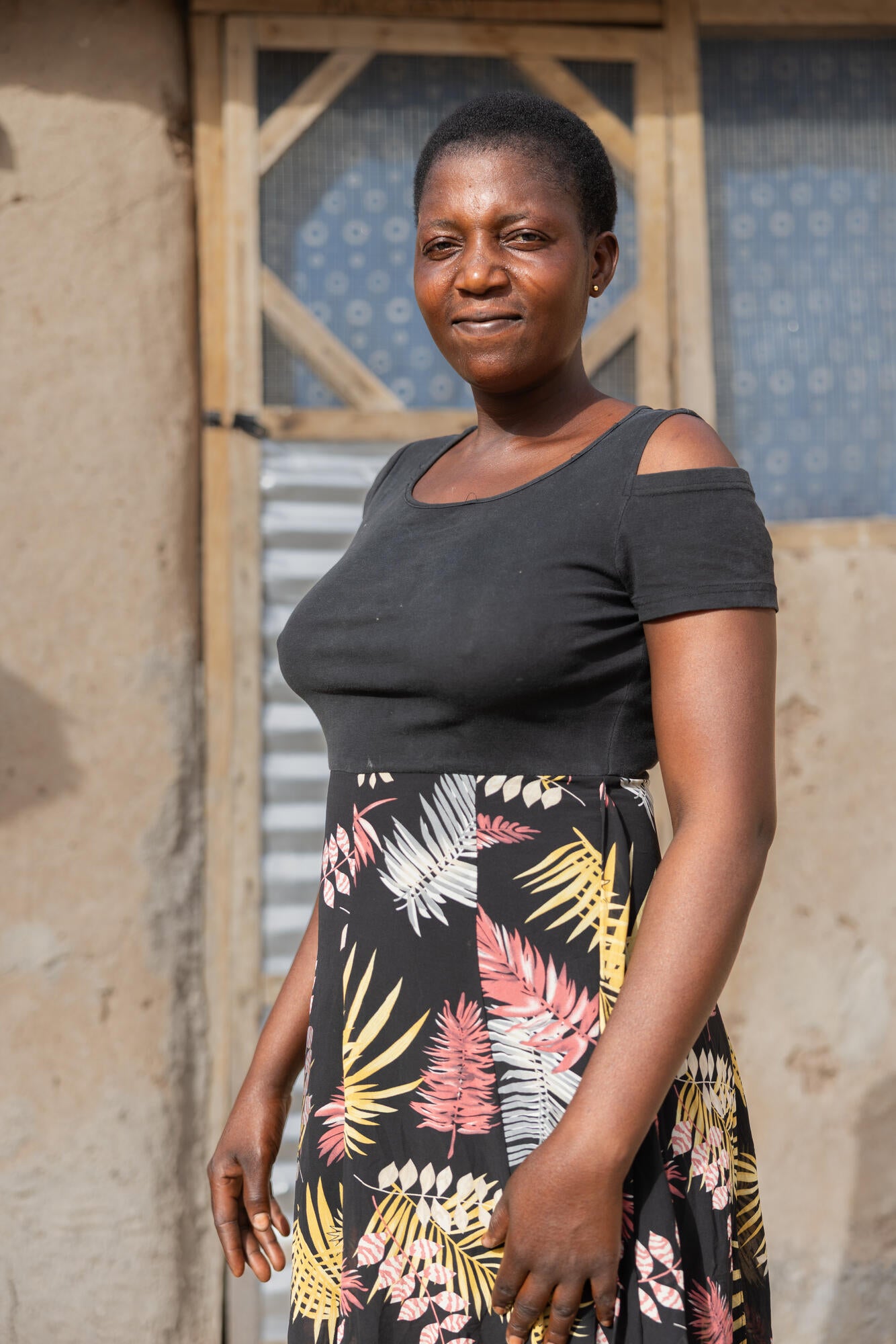
As a man from across the Ghanaian border in Burkina Faso, I wasn’t prepared for how deeply 29-year-old Dorcas Azongo’s birth story would affect me.
Dorcas undertook a traumatic emergency journey, travelling across rivers while in labour with twins, to find a health facility with clean water where she could deliver safely.
Working as a communications specialist for WaterAid over the past 11 years, I have met many people across West Africa struggling with inadequate access to water, sanitation and hygiene. Yet in Beo-Tankoo, in Bongo – one of the country’s poorest districts – Dorcas’s story surpassed anything I had heard before.
With no maternity ward, midwife, or water and sanitation facilities at her community health centre, Dorcas faced an impossible choice: give birth at home unaided or undertake a dangerous journey to reach safe care.
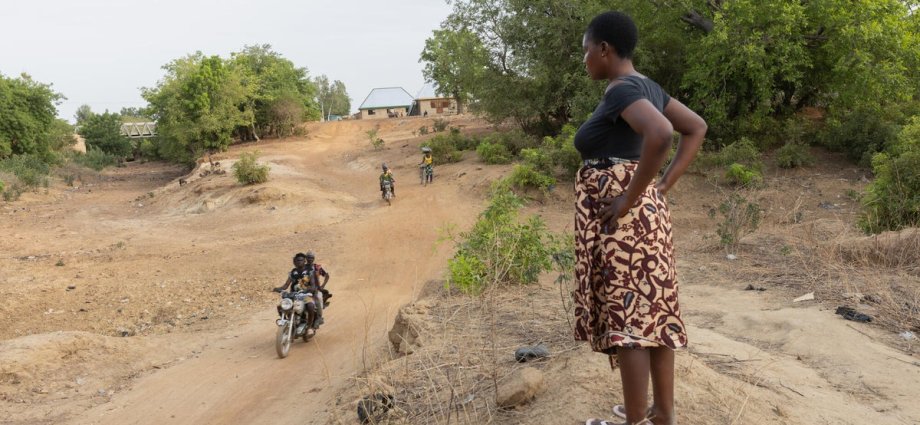
That journey involved crossing a flooded river at night by canoe to reach a clinic, only to be turned away because staff could not manage a twin delivery. After crossing back over the same river in excruciating pain, her husband met her on a borrowed motorbike. Together they crossed another river and continued to Bongo Hospital. The twins could wait no longer – Dorcas delivered them in the hospital yard before reaching a bed.
I can only imagine the journey: enduring crippling contractions along muddy, uneven paths during the rainy season, fearing she might give birth by the roadside in the dark.
Dorcas had to risk death to give life. That is simply unacceptable. Yet every two seconds, a woman gives birth without access to clean water, decent toilets, and good hygiene.
When I asked Dorcas how the twins were doing nearly a year later, she sighed before replying in a trembling voice, her eyes glistening with tears.
“The twins are unwell almost all the time. If I bring them [for treatment], it’s not even a whole month before they have a temperature again. So they’re not in the best of health. I don’t know why.”
Her answer chilled me to the bone. Having siblings who were often ill growing up, I understand the worry and burden she carries.
As she recounted those painful memories, I found myself holding back my own tears. In her eyes, I saw a mother who had endured extraordinary hardship to bring her children safely into the world. The ordeal may be over, but the memory remains painful, and its emotional consequences linger.
This is the stark and often overlooked reality for women giving birth without adequate maternity services. For Dorcas and other mothers in Beo-Tankoo and the wider Bongo region, it remains an ever-present challenge. Bongo has some of the lowest rates if access to water, sanitation and hygiene in Ghana. This means many mothers and midwives continue to risk their lives for safe care, while enduring the trauma of childbirth without proper support, dignity, or clean water.
It is why Dorcas later told her husband she did not want more children under the same conditions.
Today, she is raising four children while working as a teacher and continuing her studies. I pay tribute to her strength and resilience, and I am grateful she chose to share such a personal experience with me.
She did so because she wants it to make a difference. I left that conversation with a heavy responsibility – not that of a doctor, but of giving voice to her story.
Sharing it and bearing witness to her experience, so that solutions might be found for her and for all women facing similar challenges.
WaterAid’s ‘Time to Deliver’ campaign calls for action ahead of the UN water conference later this year to ensure every healthcare facility is equipped with water, sanitation and hygiene services.
I sincerely hope that Dorcas’s story can help inspire meaningful change, so that mothers everywhere can give birth safely, with the care and dignity they deserve.
To sign the WaterAid Time to Deliver petition please click here
Basile Ouedraogo is a community voices’ officer and strategic communications specialist for WaterAid Burkina Faso
This article has been produced as part of The Independent’s Rethinking Global Aid project