





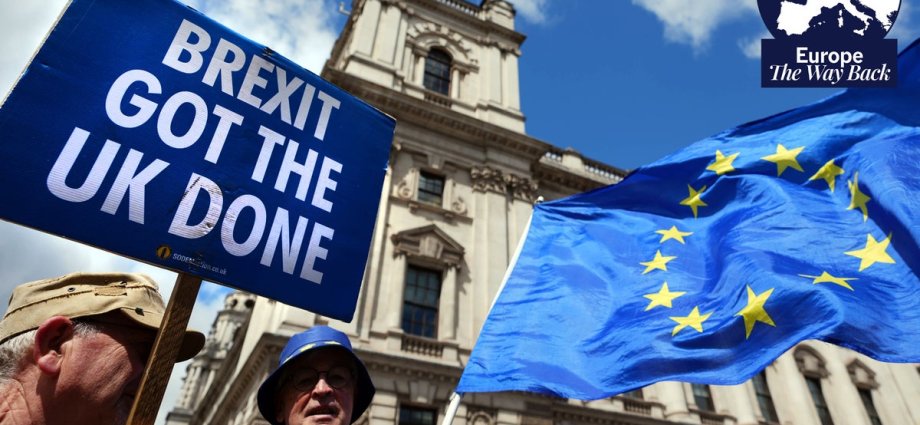
Voters see Brexit as a “big disappointment” and “not worth it” resulting in a rise in support for rejoining the EU, according to the UK’s leading pollster.
The decision to leave the EU has “not withstood the test of time” and is blamed for making immigration and the economy worse, says Professor Sir John Curtice.
Writing in Sir Anthony Seldon’s book, ‘The Brexit Effect,’ which is being serialised in The Independent he says: “The 2016 referendum has failed to resolve the debate about whether Britain should be inside or outside the EU. The country now finds itself outside an institution of which a modest majority at least would like to be a member.
“For the time being at least, a significant body of voters have decided that being outside the EU is not worth it.”
The serialisation is part of a new campaign by The Independent on how Britain can rebuild its shattered links with Europe. The campaign – Europe: The Way Back – will consist of news, analysis, interviews and live events examining the impact of Brexit and what our relationship with Europe should look like.
Sir John says support for Brexit has “changed markedly” according to 500 polls conducted since 2016.
In the last five years there has been “a decisive and consistent shift away from Brexit”. Sir John writes: “As a result, the success of the 2016 ballot as an exercise in direct democracy can be disputed.
“For many it (the economy) has come to be regarded as having proved markedly worse in practice than they had anticipated.”
Similarly, there was an expectation that immigration would be lower if Britain left the EU. However, while immigration from other EU nations fell, there had been a sharp increase in immigration from non EU countries.
“Voters seem to have reacted to this unexpected experience by blaming Brexit,” says Sir John.
Brexit was widely thought not to have made much practical difference to the country’s ability to make its own decisions, according to Sir John.
“All in all, then, Brexit has proven a disappointment for many voters. Most thought immigration would fall as a result of leaving the EU. In practice, many now believe it has resulted in higher levels.
“While some always had doubts about the economic consequences of leaving, there is now a widespread view that the economy is worse off as a result.”
There was also a belief that Britain now has less influence in the world, he said.
“Brexit has largely failed to live up to Leave voters’ expectations. This suggests it is unsurprising that support for being outside the EU is much lower now than it was when a narrow majority voted in 2016 to Leave.”
Sir John concludes: “The narrow vote in favour of Brexit has not withstood the test of time particularly well. Within a year, the balance of opinion was already beginning to swing against the decision, and by the time the UK left, there was a clear if narrow majority against.
“Within a couple of years of leaving, that lead had widened into a double-digit one.
“On this issue, the hopes that Leave voters once had of Brexit appear to have been thoroughly dashed.”
Claims that Brexit would lead to Britain regaining it’s sovereignty were also judged to have been proved untrue, says Sir John.
Join the community
Sign up to our free Europe: The Way Back newsletter here, or by entering your email address using the form below:
What you will get by joining:
- A dedicated community: We are fully committed to the long haul, consistently campaigning to secure the absolute best deal for Britain within Europe.
- Free weekly newsletter: Every Wednesday, political editor David Maddox and political correspondent Millie Cooke will be in your inbox with exclusive reporting, analysis and insight on the biggest developments shaping relations between Britain and Europe. Each week, they will explain what’s happened, what it means, and what the key political figures, experts and decision-makers are saying about it.
- Essential continental updates: Stay informed with regular briefings on the biggest developments in European politics and the specific policies that could pave the way for closer EU relations.