










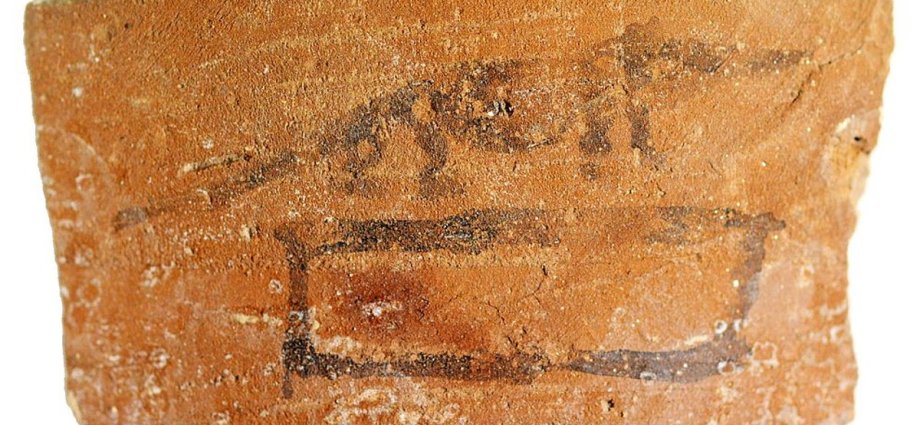
An unprecedented analysis of inscriptions on over 42,000 shards of pottery from an ancient Egyptian archaeological site has provided fresh insights into the lives of ordinary people two thousand years ago.
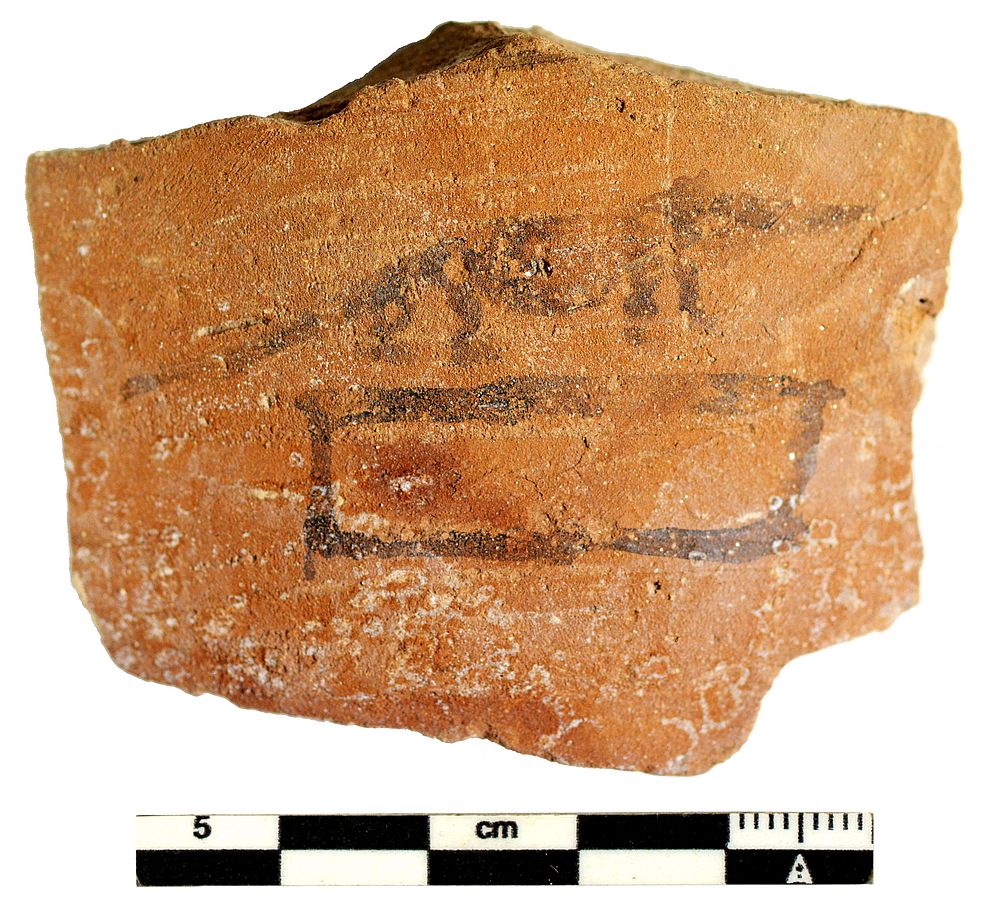
More than 43,000 potsherds – ceramic fragments also known as ostraca – have so far been recovered from the Upper Egypt archaeological site of Athribis since 2005, with 42,000 of them unearthed in the past eight years alone.
A majority of them were used as writing material before the invention of paper, and feature scribbles ranging from short, everyday notes to accounts, lists or practice texts, making them one of the world’s most extensive ancient archives of daily life.
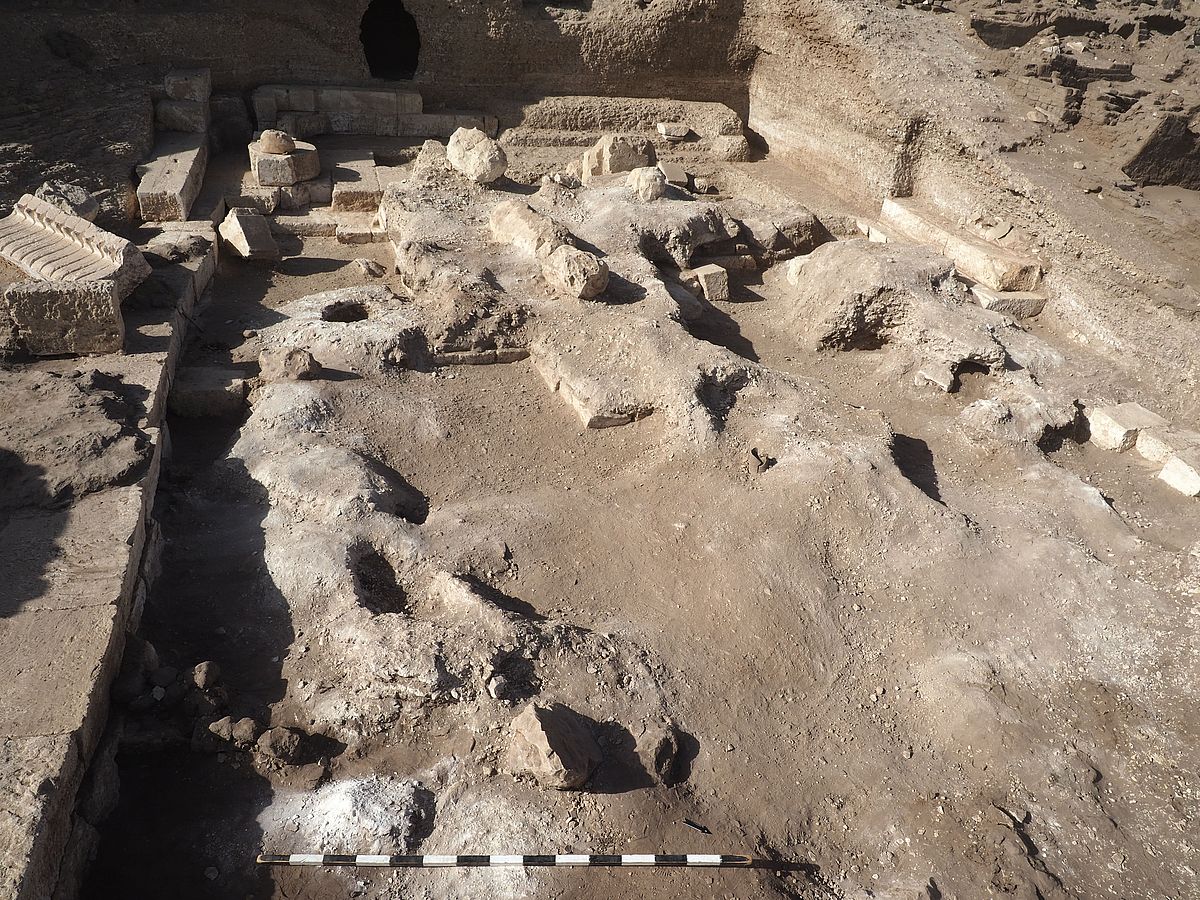
Athribis, located about 10 km (6.2 miles) west of the Nile, was a cult centre of the lion goddess (Ta-)Repit, consisting of a temple district, settlements, a necropolis, and limestone quarries.
The site’s extraordinary value became apparent in 2018, when a 20-by-40-metre area was opened up west of its Temple of Ptolemy XII and extended to the southwest.
Here, archaeologists discovered a large-scale deposit of over 40,000 potsherds in a 40-by-40-metre area, with 50 to 100 new ceramic fragments uncovered each day.
The ostraca are a rich source of social history spanning over a millennium, with the earliest texts being tax receipts from the 3rd century BC and the most recent ones from the 9th to 11th centuries AD.
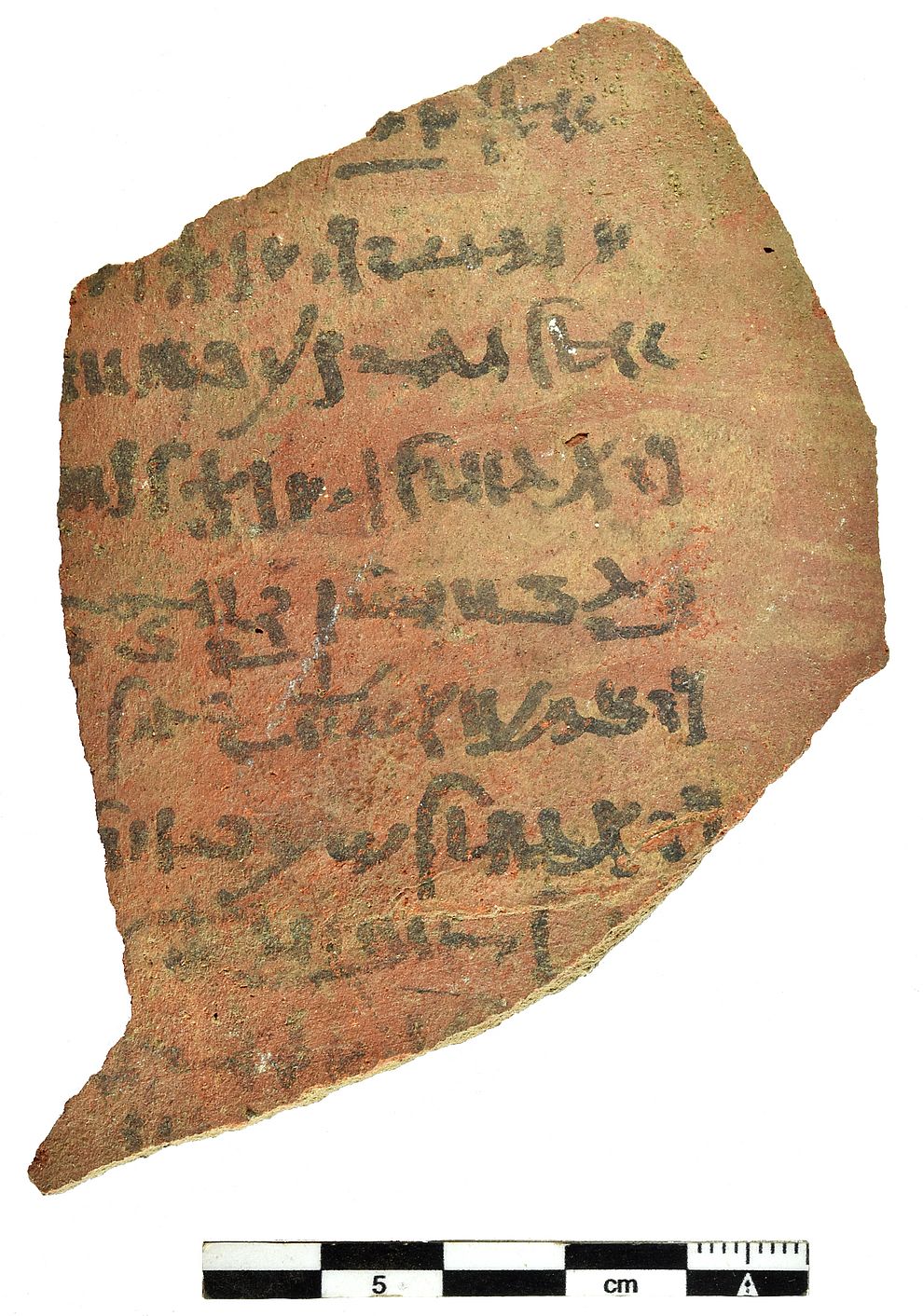
The majority of the ostraca were found written in Demotic script, the common administrative script during the Ptolemaic and Roman periods.
A considerable number also had Greek inscriptions, researchers say.
“The ostraca show us an astonishing variety of everyday situations,” said archaeologist Christian Leitz from the University of Tübingen.
Inscriptions were found to include tax lists and short notes about everyday activities, including exercises by schoolchildren, religious texts, and priestly certificates attesting the quality of sacrificial animals.
A significant number of the potsherds had drawings and geometric designs, and rare texts in hieroglyphic and Arabic script.
Scientists hope to study these further as the Athribis site is well known for ancient horoscopes, featuring more than 130 such texts.
Such inscriptions can be important sources for the history of ancient astronomy and astrology, they say.
“This mixture is what makes the find so valuable. This everyday content gives us a direct insight into the lives of the people of Athribis and makes the ostraca an important source for a comprehensive social history of the region,” Dr Leitz said.
While archaeologists expect to find many more ostraca, digitising the potsherds is challenging as it requires specialised equipment, high computing capacity, and specially trained staff.
“In principle, it would be possible to accelerate the digitisation and cataloguing of the ostraca by using AI systems, but the effort required to train and maintain such a system, though appealing, would be high,” Dr Leitz said.