









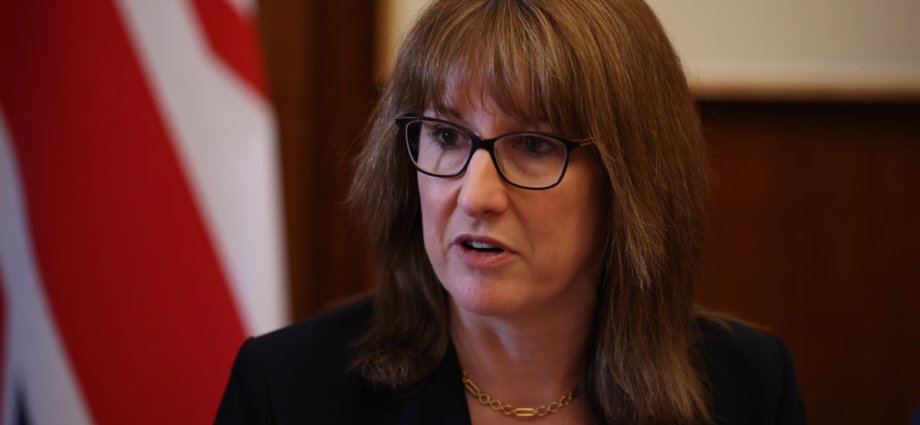
Chancellor Rachel Reeves and Energy Secretary Ed Miliband are seeking solutions to break the direct link between electricity and gas prices.
Under the UK’s marginal cost pricing model, gas typically determines the cost of electricity.
Reeves said the move is “a big change” but the “right thing to do”, and hopes to have more news on the plans “within the coming days or weeks”.
Speaking in Washington, the Chancellor said: “So, this is something that I’ve been attracted to for quite some time, delinking electricity and gas prices.
“At the moment, when gas prices are high, we end up paying more for our electricity, even though the cost of producing it doesn’t change.
“And so myself and Ed Miliband are now working to come up with a practical way that we can delink those prices.
“It is quite a big change but is absolutely the right thing to do, especially as electricity makes up an increasing part of our energy mix, and we hope, within the next sort of few days, weeks, to be able to give more details on what that looks like.”
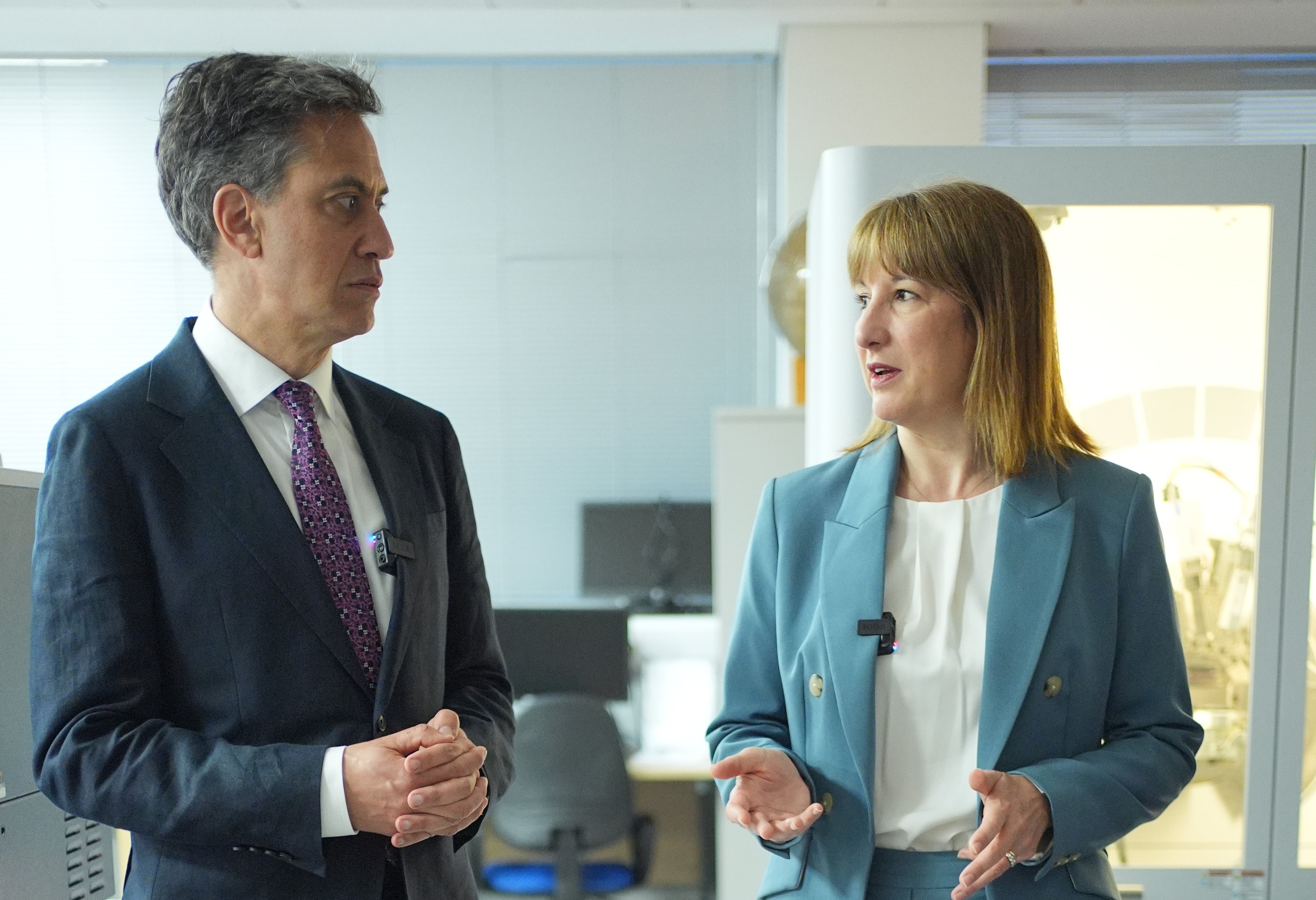
Mr Miliband has long touted Labour’s energy policies and shift to renewables as a bid to get the UK off the “fossil fuel rollercoaster”.
Renewables have cut the amount of time gas sets the wholesale price of electricity in Britain by about a third since the early 2020s, according to the Department for Energy Security and Net Zero.
The head of Energy UK said earlier this week that decoupling electricity prices from gas was something that would come gradually with the transition to clean power.
“Over time, that will decrease as we get more renewables on to the system,” Dhara Vyas, chief executive of the industry body, said.
Ms Reeves also spoke on Thursday about the North Sea oil and gas tiebacks – satellite wells to exploit existing fields – that the Government is encouraging investment in.
The Chancellor said: “I announced in the budget last year that we were going to allow tiebacks.
“We’re now working through pretty intensely the technical details with the energy companies.
“What tiebacks are is where you use existing infrastructure to exploit a larger geography of oil and gas.
“It is the quickest way to bring on stream more oil and gas, and it’s important that we get the detail right, so that companies have the confidence to exploit those resources.”