











Everyone agrees hospitals should serve better food to patients — but deciding what those meals should contain cracks open a much larger debate over the American diet.
“We shouldn’t be giving … people who are sick Jell-O and Cheerios and rubber chicken and sugar drinks,” Health Secretary Robert F. Kennedy Jr. said at a press conference in March.
He announced that hospitals were mandated to follow the new dietary guidelines released this year by his department, which flipped the food pyramid on its head.
The crown jewel of his Make America Healthy platform, Kennedy says the guidelines will heal the nation by returning to the foods of our ancestors, encouraging more consumption of red meat, eggs and full-fat dairy.
“This is not something we need to force hospitals to do — they want it,” Kennedy said.
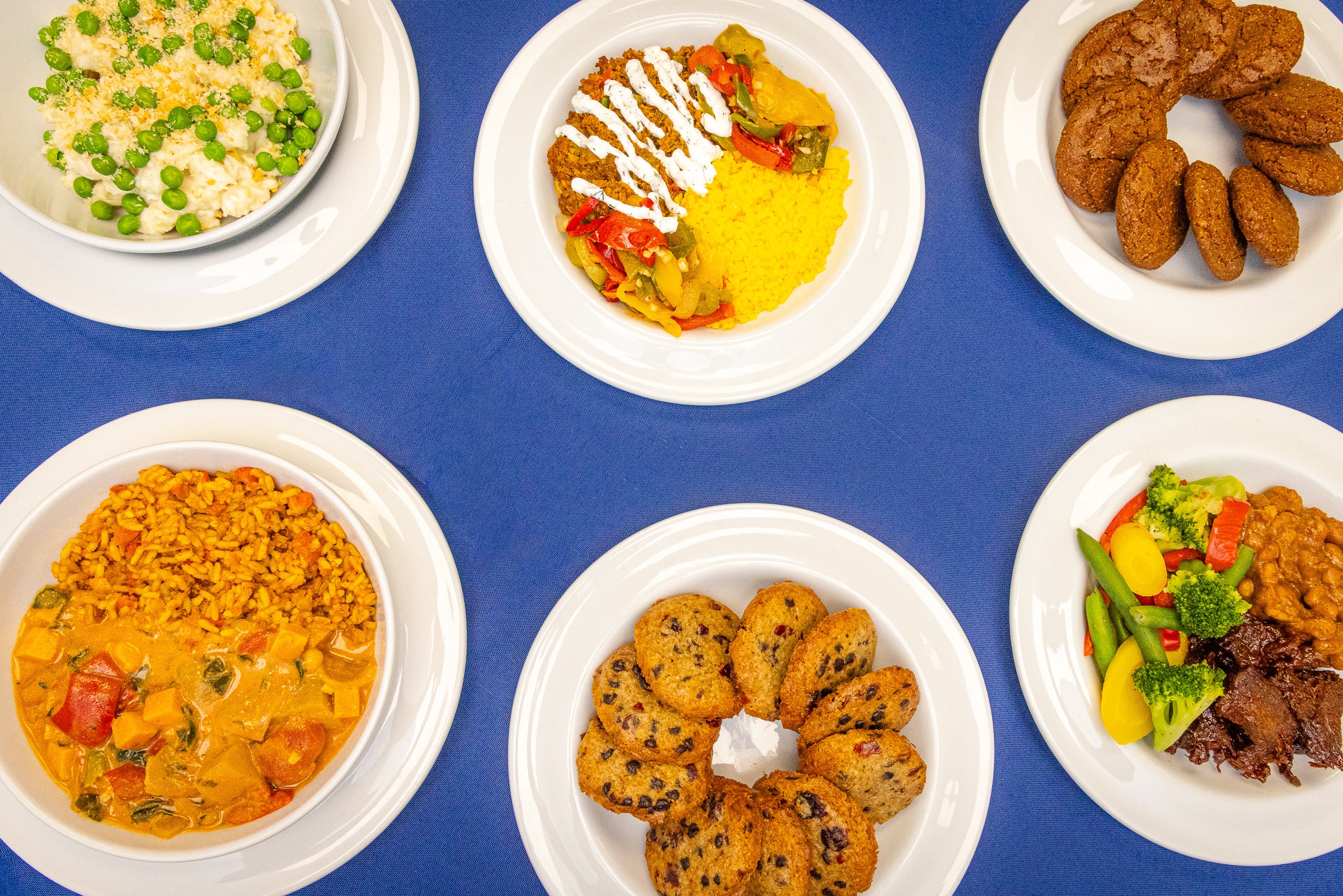
But the mandate comes after several hospitals across the country, including the largest municipal healthcare system, have spent the last few years implementing plant-forward meals for patients.
And, although Washington is increasingly framing animal protein as the primary key to metabolic health, other leading specialists warn that it could trigger a new wave of chronic disease.
Dr. Michael Klaper, a pioneer in plant-based medicine, declares that an increase in animal products is a “recipe for an epidemic” of colon cancer, heart attacks and autoimmune diseases such as lupus.
He says the federal government’s new enthusiasm for animal proteins and fats is more of a “biological time bomb” for diseases including clogged arteries and type 2 diabetes.
“Mother Nature doesn’t care if your food is political. Biology is not,” Klaper told The Independent.
A push for protein
Under the Make America Healthy Again platform, the focus has shifted away from meat-reduction and toward the elimination of ultra-processed foods and refined sugars.
“Real food,” as Kennedy calls it.
That also includes a skepticism of some plant-based diets. In its new guidance, the HHS issued a pointed warning for those following plant-based diets, noting a “need to monitor and address potential nutrient gaps through varied food choices, preparation methods and targeted supplementation.”

For decades, Dr. Caldwell Esselstyn has championed the idea that the very diseases filling hospital beds across the country are entirely preventable — and even reversible, through plant-based diets.
According to Esselstyn, who directs the Heart Disease Reversal Program at the Cleveland Clinic, the healing process begins the moment a patient stops consuming the saturated fats and animal proteins that trigger “oxidation and inflammation” on the lining of their arteries.
“Once you start eating plant-based, your blood pressure begins to fall and normalize,” Esselstyn told The Independent. “Your diabetes begins to fall and normalize, and your cholesterol comes down.”
To Esselstyn, new federal guidelines prioritizing animal proteins ignore this clinical reality.
Kennedy and his supporters argue that the low-fat, high-carbohydrate mandates of previous decades failed to curb the obesity epidemic, and that restoring animal-based fats is essential for metabolic health.
“We are ending the war on protein,” Kennedy, whose background is in environmental law rather than clinical medicine, told attendees at the 2026 Annual Meat Conference, defending the decision to prioritize animal sources. He argues that animal proteins are nutritionally superior to plant proteins because they provide a “complete chain of amino acids” in a single source, whereas the caloric gap left by meat-reduction is often filled with what he calls “poisonous” ultra-processed carbohydrates.

The HHS also insists that even though it questions entirely plant-based diets, it does still support a varied menu for hospitals.
“These guidelines emphasize prioritizing nutrient-dense protein at each meal, including a range of animal and plant sources,” HHS Press Secretary Emily G. Hilliard said in a statement to The Independent.
The architecture of choice
Back in 2022, NYC Health + Hospitals, the largest municipal healthcare system in the United States, implemented a “plant-based default” program, serving more than 2.8 million such meals so far. Under this system, the chef’s recommended option for breakfast, lunch and dinner is plant-based by design.
In 2025 alone, those who chose the plant-based options reported a satisfaction rate of 98 percent.
“It was almost everyone,” Greener by Default co-founder and CEO Katie Cantrell, whose organization worked with the city to restructure these menus, told The Independent. “It’s not like people were ordering them by accident and then sending it back when they saw that there wasn’t meat.”
Patients are not forced to eat vegan. Instead, they are given a choice such as garden Bolognese — a vegetarian version of the spaghetti classic — or three-bean chili, as the primary choice. And if a patient specifically requests meat or dairy, they are still provided with it.

Menu selections are designed to help patients manage the very chronic conditions, like heart disease and type 2 diabetes, that clinicians warn about.
The transition has proven financially and environmentally stable, with a reduction in carbon emissions of 36 percent and a cost savings of 59 cents per meal, totaling hundreds of thousands of dollars in annual savings.
For organizations like the American College of Lifestyle Medicine, a national medical society focused on reversing chronic disease, the federal pivot doesn’t change the underlying math of chronic disease.
Jessica Jolly, of the ACLM, argues that as payment models shift to reward patient outcomes rather than the volume of procedures, plant-predominant nutrition becomes “not just desirable, but inevitable.”
Autonomy at the bedside
The hospital trays plant focus is also no longer confined to New York. Through a partnership with Greener by Default, the food service giant Sodexo, which manages dining operations for thousands of healthcare facilities, recently hit its goal of implementing plant-based food programs at 400 U.S. hospitals.
Cantrell’s team is now navigating more traditional “meat and potatoes” regions, recently partnering with Health Care Without Harm to bring the model to three rural hospitals in the Midwest. There, menus feature familiar staples like savory lentil-based meatloaf. They are also moving internationally, working with the largest healthcare systems in British Columbia and the United Kingdom.
“Our goal eventually is just to make this seen as best practice, both in the U.S. and internationally,” Cantrell said.
Despite the federal government’s shift, proponents of plant-based nutrition argue that the new guidelines don’t necessarily spell the end for meat-free menus.

Dr. Anna Herby, a nutrition education program manager for the Physicians Committee for Responsible Medicine, notes that while the government is pushing for animal-heavy menus, the regulatory fine print hasn’t fundamentally stripped hospitals of their clinical autonomy.
She also noted that the guidelines specify “minimally processed protein sources, including plant-based options.” To Herby, the “default” system used in New York remains a sustainable way to navigate this new federal environment.
“Historically, only a very small percentage of Americans follow the Dietary Guidelines,” she said. “I am confident that healthcare professionals working in the lifestyle medicine space will take into account the overwhelming body of evidence showing that a plant-based eating pattern is optimal for chronic disease prevention and reversal.”