









Want to bookmark your favourite articles and stories to read or reference later? Start your Independent Membership today.
Join today
Already a member?
Log in
Labour’s plan to provide support with rising energy bills over winter has been criticised as the “wrong choice”, as experts warn it will last the average family less than two weeks.
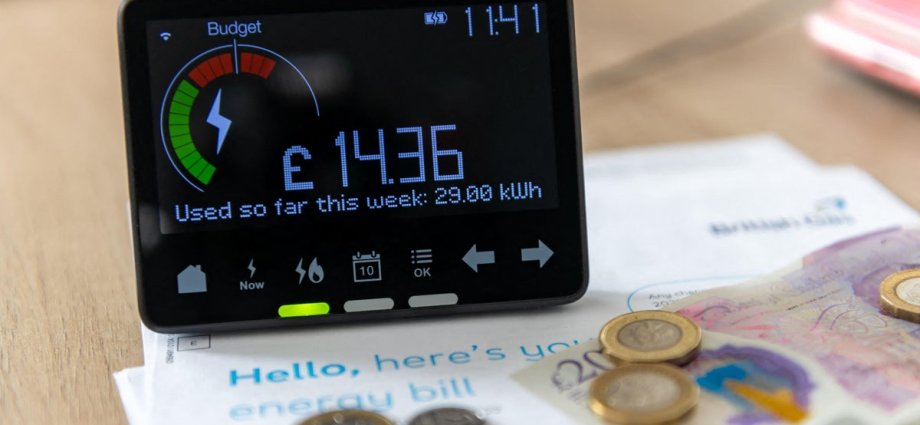
A typical household will pay £62 a week for energy from January, meaning the government’s £100 rebate will only cover the first 11 days, researchers at the Resolution Foundation found.
Ofgem’s energy price cap is set to rise by £443 in the new year, trusted forecaster Cornwall Insight has predicted, taking the average bill from £1,723 to £2,166 – a 26 per cent increase.
This would mark the highest level since 2023, but Resolution Foundation researchers warn families will pay even more come the new year, considering cold-weather usage.
A typical family will spend £275 on gas and electricity in January 2027, up 40 per cent in real terms from last year. Factoring in inflation and government support, this is expected to be around £50 more than the height of the 2022/2023 energy crisis – triggered by Russia’s invasion of Ukraine.
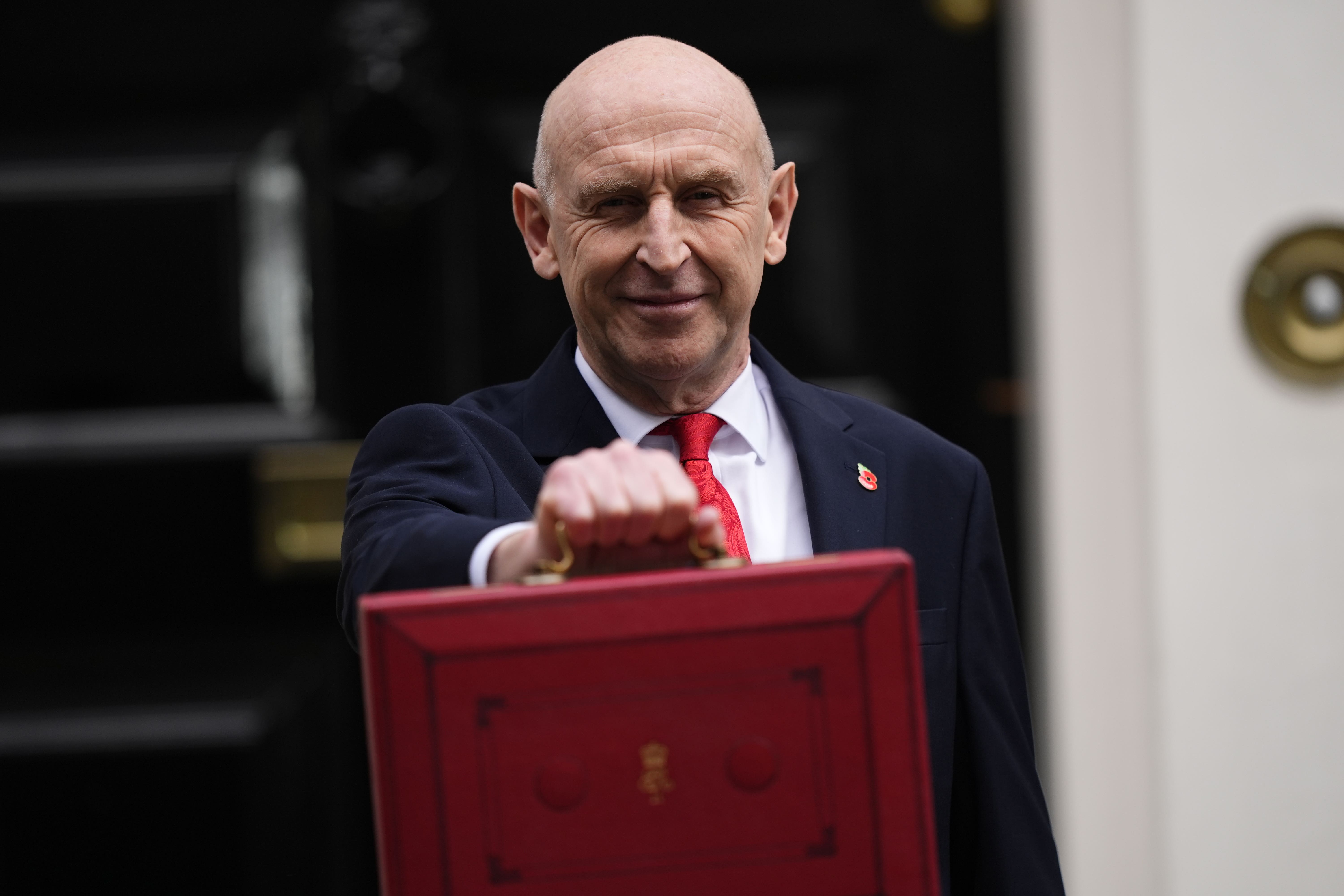
More than 20 million households across the UK will begin receiving the household energy payment in January after the measure was unveiled at the autumn Budget, granting an automatic £100 rebate to properties in council tax bands A to D.
Research by The Independent and the Resolution Foundation after the event found that just under 700,000 of the poorest households will miss out on the scheme due to how it has been targeted.
At the same time, around 3.5 million of the richest households will receive a £100 payment, costing the government £350m.

Invest at least £100 in Stocks or ETFs of your choice. Get fractional shares worth £50!
Terms and conditions apply.
ADVERTISEMENT
Invest at least £100 in Stocks or ETFs of your choice. Get fractional shares worth £50!
Terms and conditions apply.
ADVERTISEMENT
Jonathan Marshall, principal economist at the Resolution Foundation, said: “A typical family will burn through the government’s £100 household energy payment in just 11 days this January, as higher prices and colder weather mean it will cost them £62 a week to keep their lights on and radiators warm.
“Spreading limited support thinly to four-in-five households was the wrong choice, and vulnerable families will feel this failure in the cold winter months. If high prices persist, the government must build a better way to reach struggling families beyond the benefits system.”
Households face higher bills this winter despite using less energy than in previous years, with gas and electricity consumption down 18 per cent and 13 per cent respectively on pre-pandemic averages according to researchers. Nearly two million households in the poorest 40 per cent now report being unable to adequately heat their homes.
A Department for Energy Security and Net Zero spokesperson said: “We know rising energy prices are putting pressure on families, which is why we have taken immediate action to give people breathing space, with extra support for those who are struggling the most.
“From January, up to 20 million households will receive £100 towards their energy costs, with support reaching the vast majority of low-income households. Around six million of these will also receive the £150 warm home discount, on top of our cut to VAT on all households’ electricity bills.”