









Want to bookmark your favourite articles and stories to read or reference later? Start your Independent Membership today.
Join today
Already a member?
Log in
India’s rural areas experience greater air pollution than its cities, particularly during the mornings and evenings, according to a new study on smog levels in Delhi and surrounding villages.
India routinely experiences the highest levels of fine particulate matter pollution in the world. But even as the majority of the population lives in villages and smaller urban areas, policies to tackle air pollution are focused on cities.
Researchers caution that there is very limited understanding of air pollution in rural and less urbanised areas.
“Our findings run contrary to the general societal perception that Indian cities are pollution hotspots relative to rural areas,” they said in the study published in the journal PNAS.
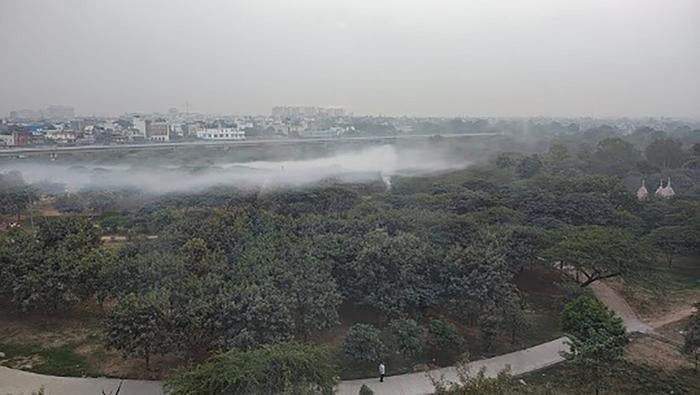
Researchers established a well-calibrated network of low-cost particulate matter sensors inside and outside Delhi.
The sensors tracked air pollution for five months across 49 sites along a 160km transect in villages and small urban areas surrounding the national capital as well as the megacity itself.
Researchers assessed the data, collected between July and November 2024, and found a seasonal trend of smog concentrations increasing sharply around mid-October and November from cleaner conditions during the July-September monsoon season.
The study showed vehicular traffic, construction, and commercial sources as the largest local drivers of air pollution in the Delhi city region.
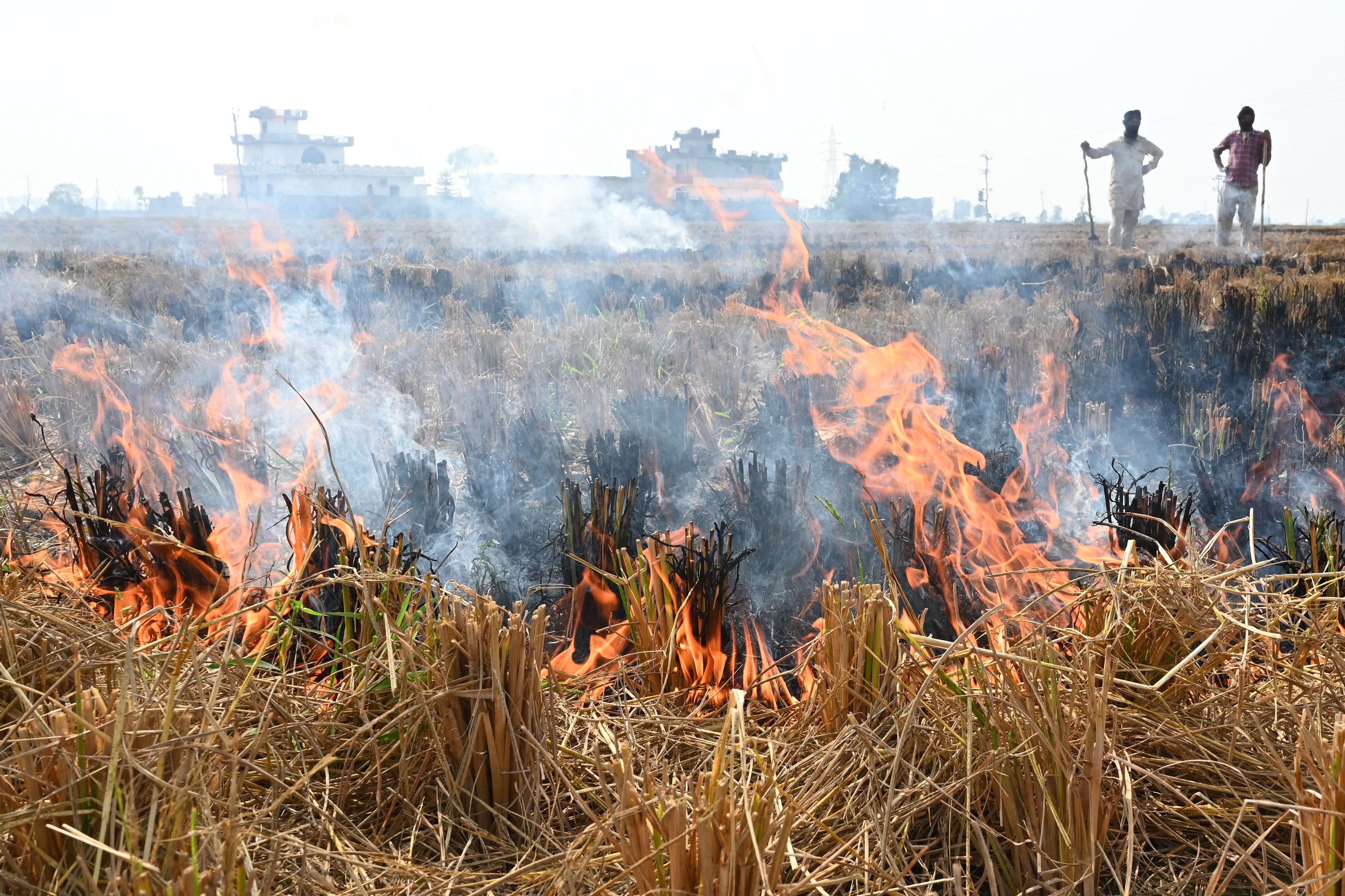
It also revealed that the burning of crop stubble contributed to the seasonal deterioration in air quality across Delhi and neighbouring rural areas.
However, stubble burning, which is often highlighted as a key source of air pollution in northwestern India, does not explain the unusually high pollution levels in rural communities, researchers say.
During the stubble-burning period, midday pollution levels in cities were up to 10 per cent higher than in rural areas.
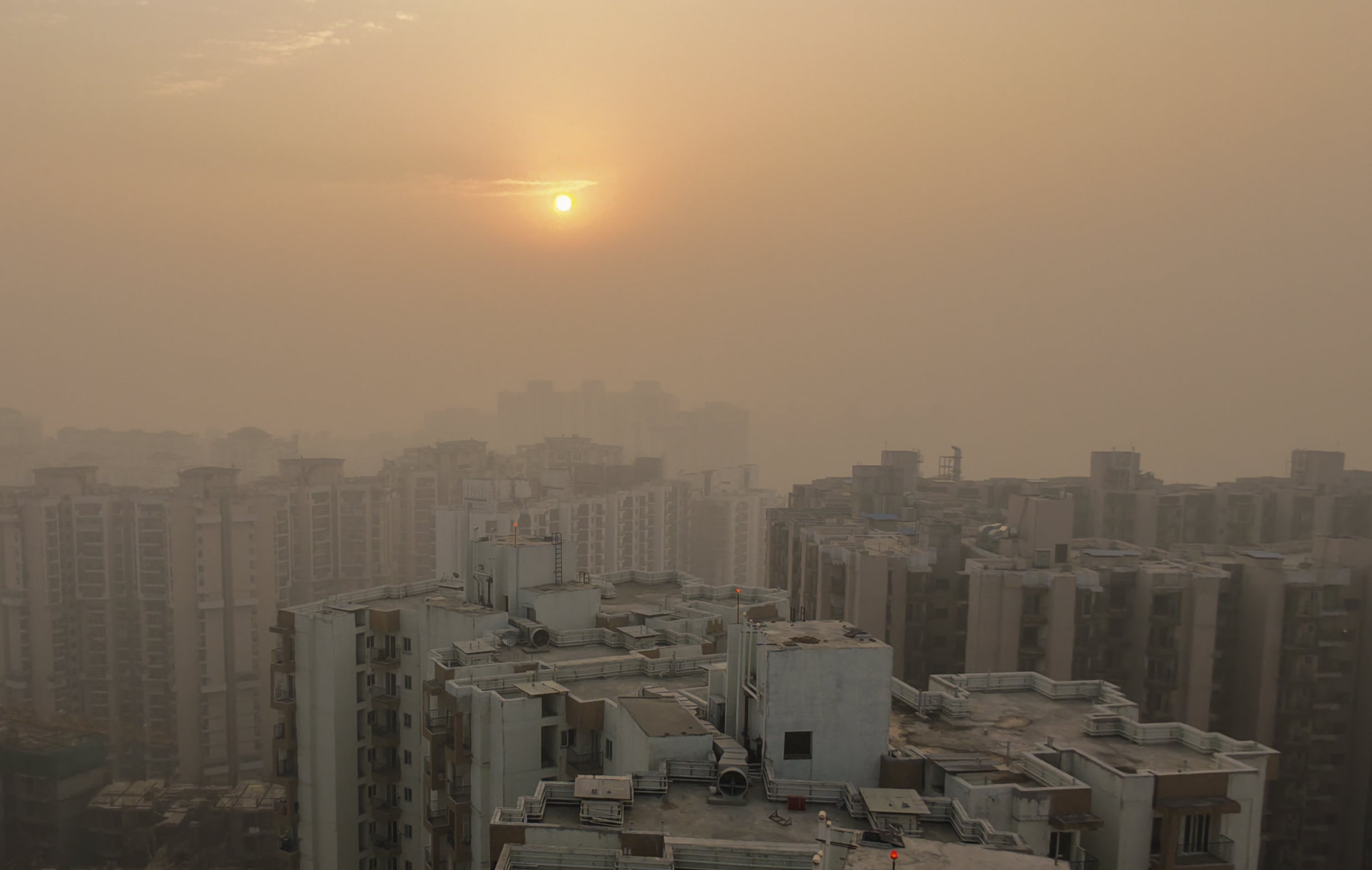
On the other hand, rural locations continued to experience substantially higher pollution during the mornings and evenings.
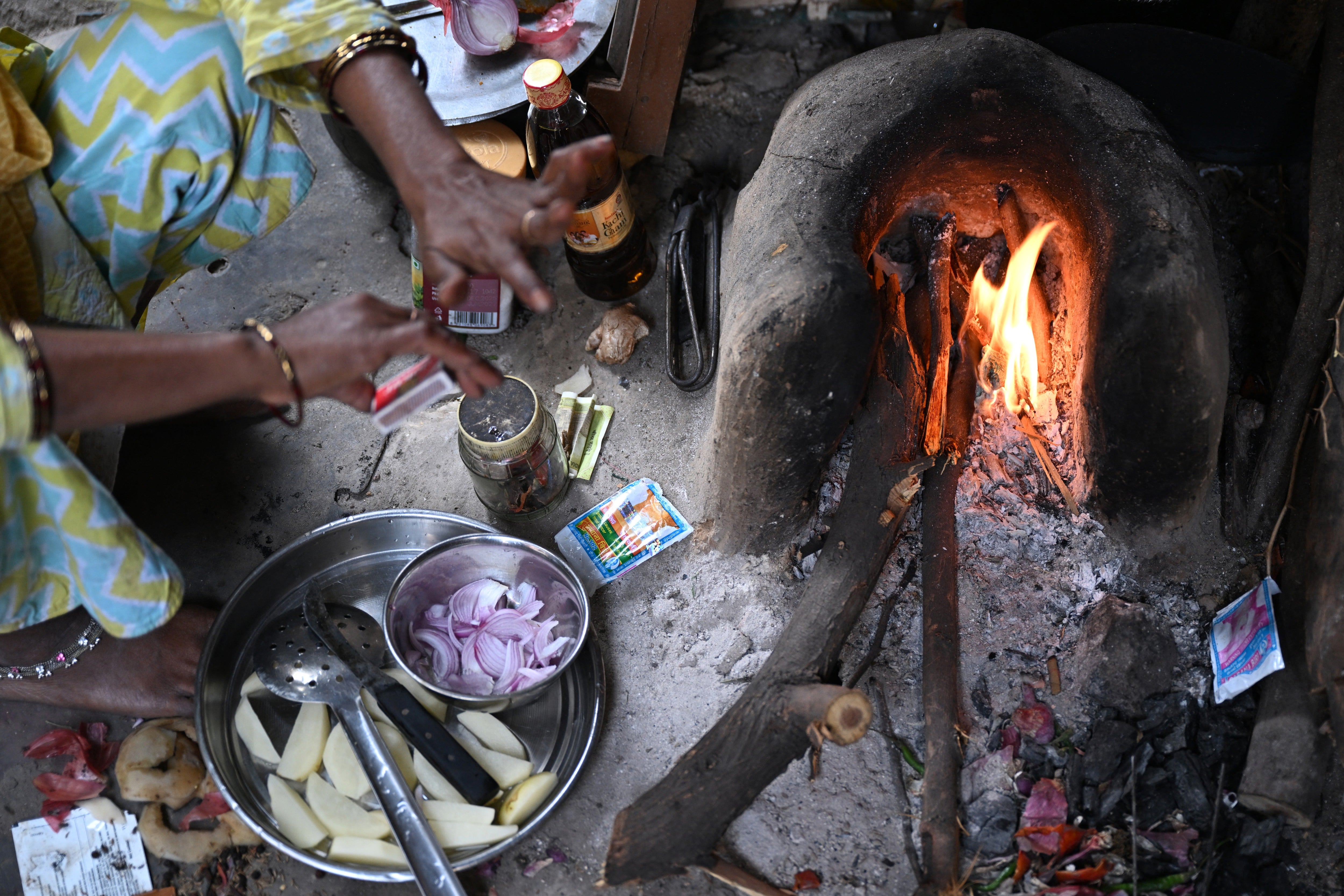
“Nearly all the buildings that served as study sites were impacted by extensive combustion emissions within the surrounding 50 to 200m,” researchers wrote. “Biomass burning for cooking, water and space heating, and animal husbandry is ubiquitous. These activities take place disproportionately during the morning and evening.”
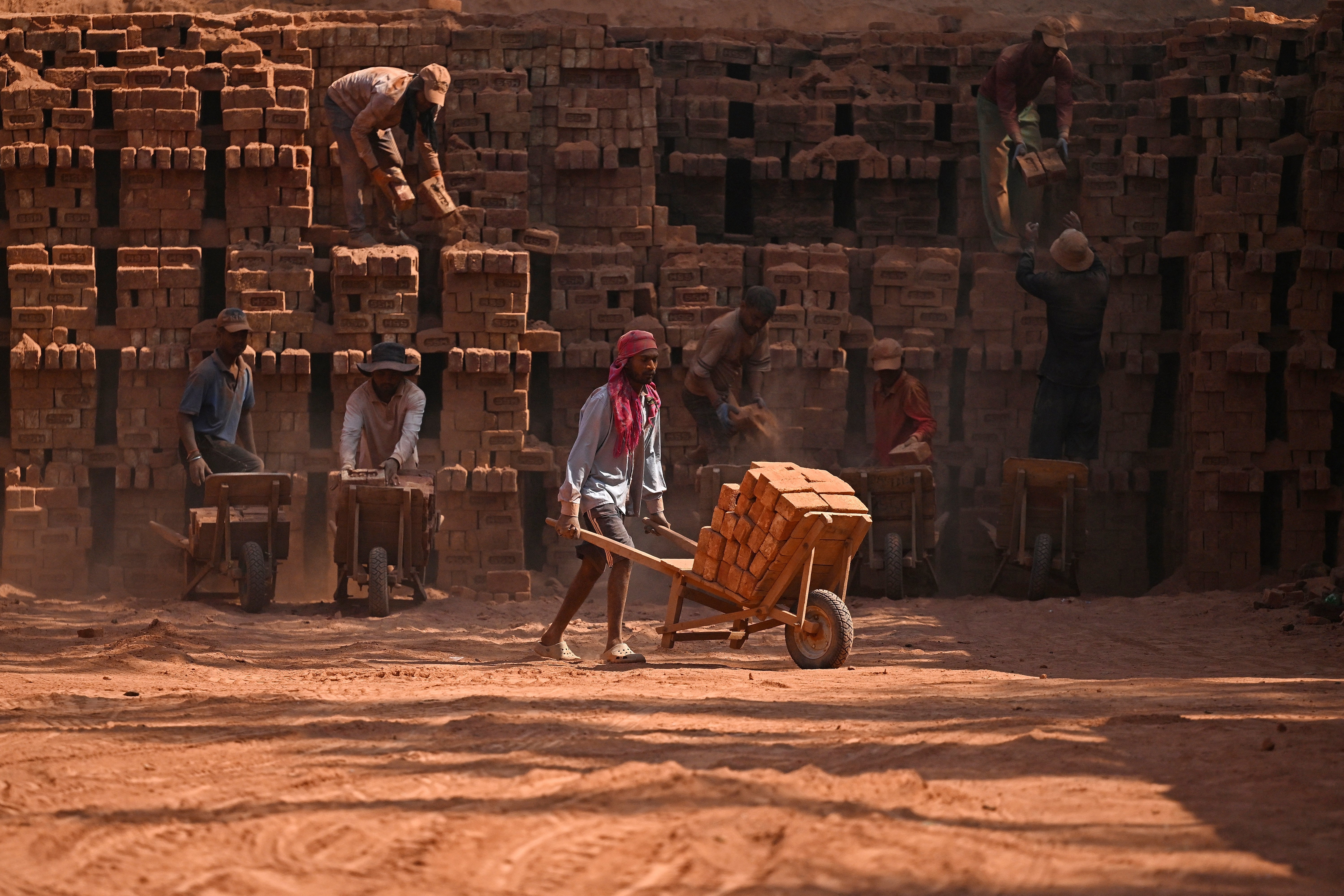
Other sources of emissions in rural areas include small-scale industries, brick kilns, municipal waste burning, and older vehicles that are no longer permitted to operate within the urban areas of Delhi.
Researchers found that the levels of fine particulate pollutants at the rural sites routinely exceeded those at urban sites by about 20 per cent “during every month of the study”.
Air pollution peaked in the morning and evening at rural sites, but such peaks were largely absent in urban sites.
The observed spikes in the rural areas may be due to the use of solid fuels like wood for cooking and heating, researchers suspect.
“We attribute these events to widespread use of solid fuels for cooking, heating, and small-scale industry in suburban and rural settings,” researchers wrote.
“In short, smoke plumes are a ubiquitous fact of daily life and breath.”
The findings indicate that clean air strategies should prioritise pollution sources specific to rural communities.
The study also highlights the importance of low-cost sensors in obtaining valuable insights on air pollution, researchers say.