










Want to bookmark your favourite articles and stories to read or reference later? Start your Independent Membership today.
Join today
Already a member?
Log in
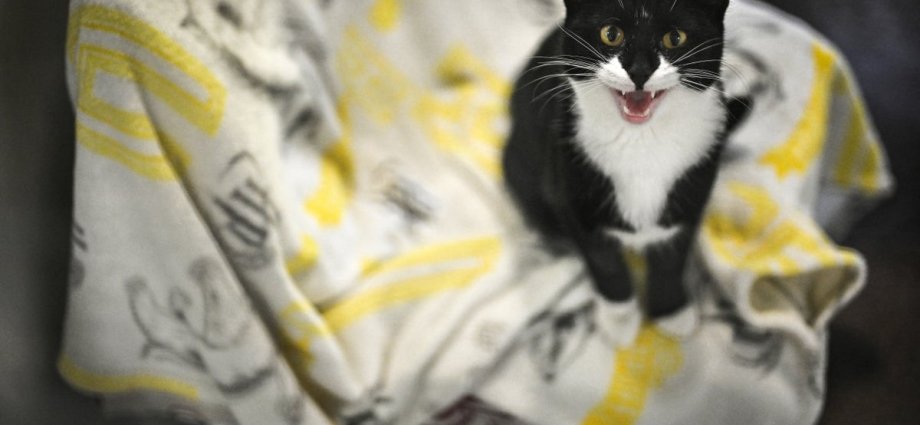
Domestic cats meow differently depending on whether their human caretakers are present in the room or not, scientists confirm in a new study that sheds more light on feline communication.
Cats meow for a variety of reasons, mostly when they are hungry or excited, and communicate through non-verbal cues like slow blinking or brushing themselves against their caregivers.
But, according to a 2020 study, humans are bad at telling apart food meows from other types of cat vocalisations.
“The domestic cat uses the meow more frequently in interactions with humans than with other cats,” researchers noted in the new study published in the journal Animal Behaviour. “However, it remains unclear whether this vocalisation serves a truly communicative purpose.”
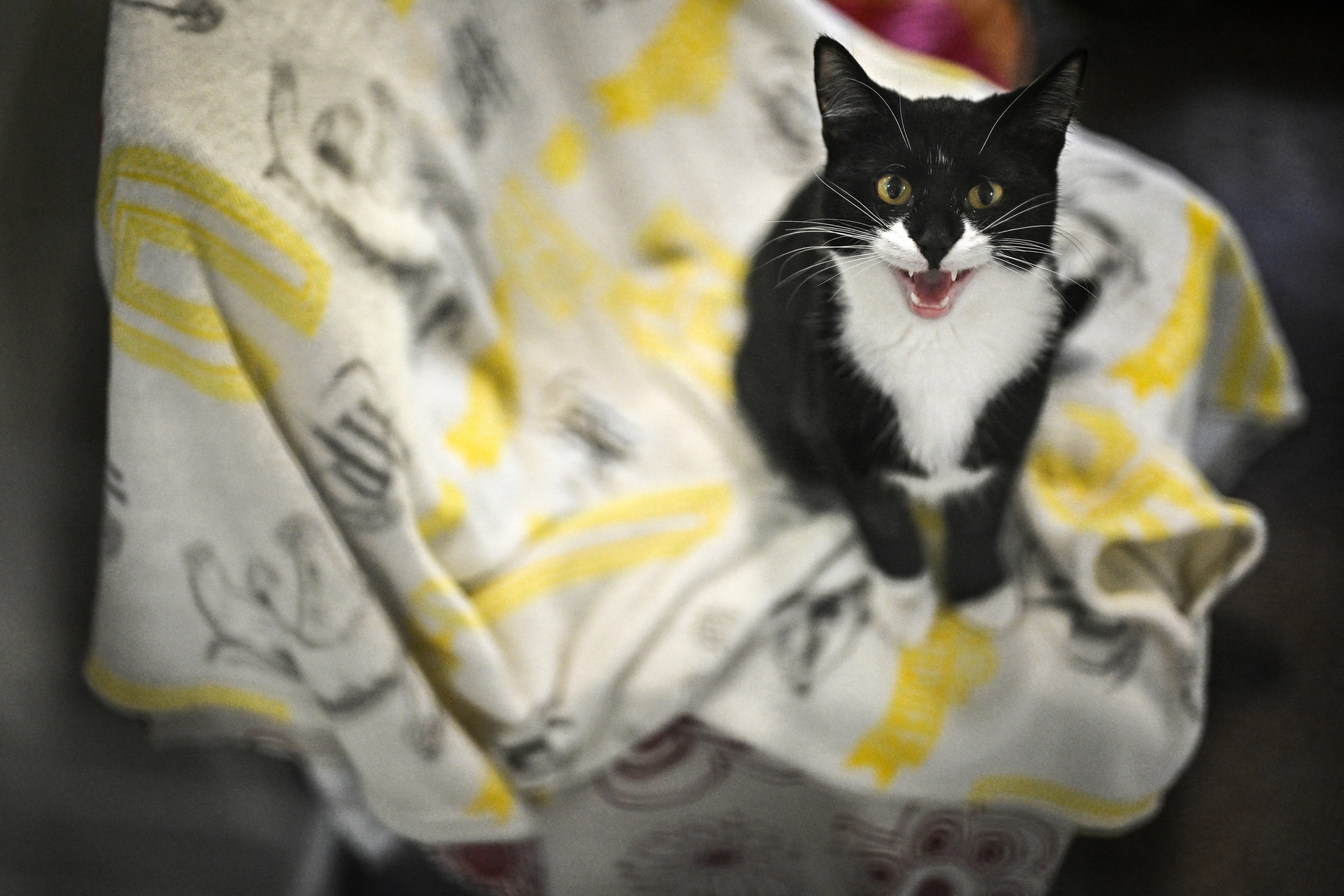
The research confirms that cats tend to meow far more when their human companions are around than when they are alone or just surrounded by other cats.
For the study, researchers from the University of São Paulo in Brazil recruited 38 domestic cats known to be particularly vocal around food. They presented each cat with their favourite treat sealed inside a small plastic container that they could see and smell, but not reach. Scientists then observed each for a minute under two conditions: with an attentive human present and with no one in the room.
They found that each cat made about 20 meows when it was alone, but over four times as many when a human companion was present.
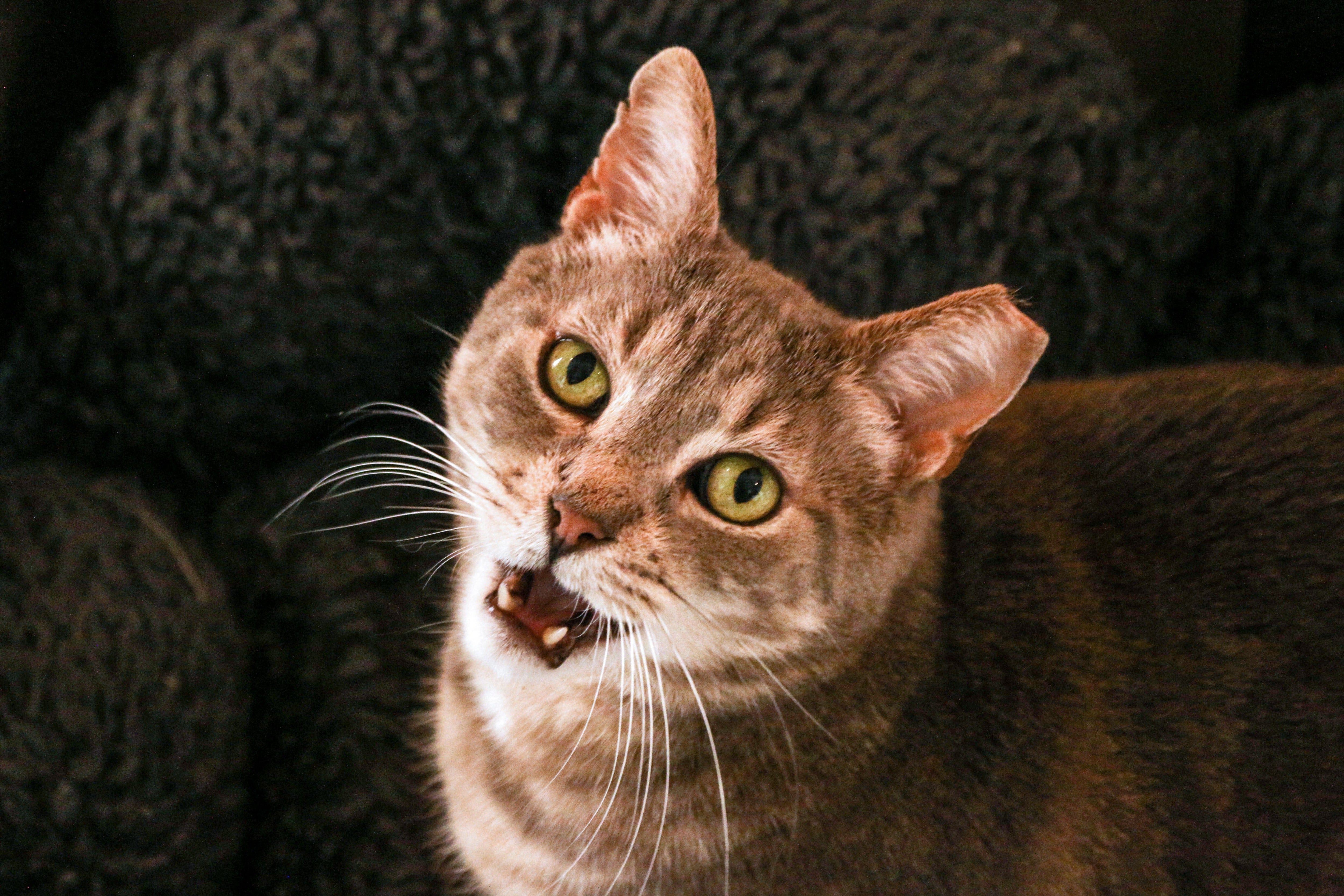
The study concluded that the odds of cats meowing were several times higher with a person present.
Cats also frequently looked directly at the present caregiver, alternating their gaze between the person and the inaccessible treat.
This form of communication called “gaze alternation” is observed in several animals, including dogs and primates.
In contrast, cats simply spent more time standing still when they were alone.
“In the human-absent condition, cats stood still and gazed at the door significantly more, suggesting they discriminated which behaviour was more effective with an audience,” scientists noted.
The findings confirm that meowing is not simply an involuntary expression of emotion, but can be an audience-directed form of communication.
“These results are consistent with meowing playing a communicative role in cat–human interactions,” researchers said.
Meowing also appears to be a flexible toolkit for cats that is shaped by their immediate surroundings and needs.
Scientists said that living alongside humans likely favoured cats to evolve more flexible meows across different situations.