









Want to bookmark your favourite articles and stories to read or reference later? Start your Independent Membership today.
Join today
Already a member?
Log in
Domestic cats did not always live pampered lives in ancient Egypt despite reverence for the felines, and some may even have lived in poor conditions, suffering injuries and diseases, a new study of skull remains reveals.
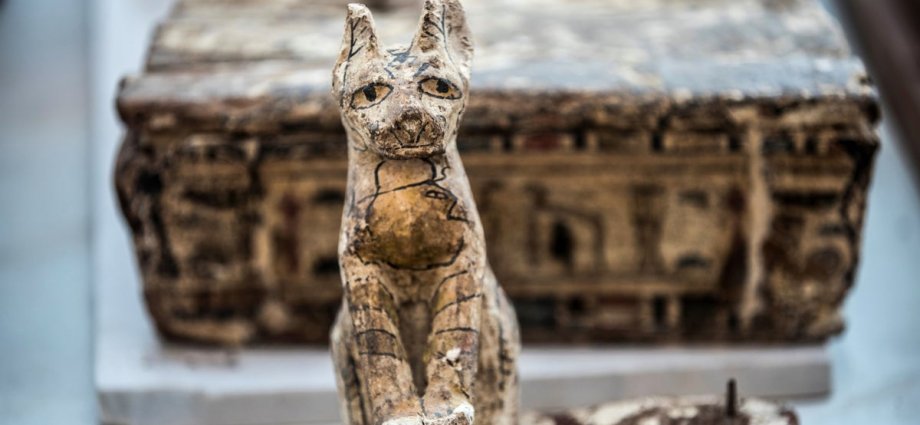
In ancient Egypt, cats were associated with the goddess Bastet and were revered as symbols of divine power and participants in religious rituals, in addition to being household companions.
Since agriculture also depended on storing grain, which attracted rodents, cats also served a key role in protecting food stores by hunting rats and mice.
The felines enjoyed so much reverence that some Greek historical accounts suggest people who killed cats may have faced the death penalty in ancient Egypt.
Yet, a new large study of mummy skulls reveals that a section of cats in ancient Egypt lived difficult lives in cramped conditions, plagued by diseases and injuries.
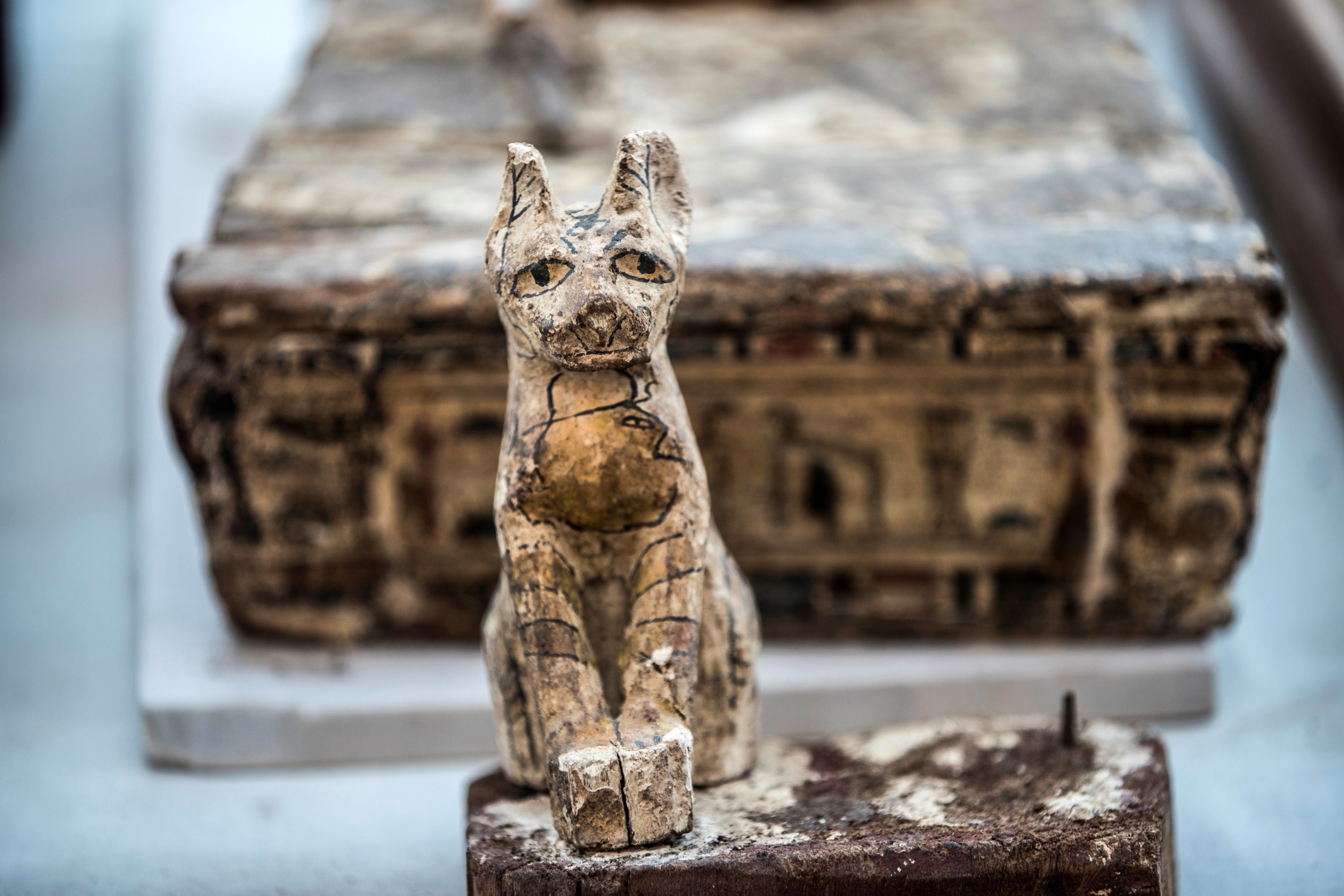
Researchers suspect some cats were likely reared for ritual purposes in a cat-farming industry that may have followed some dark practices.
In the study, scientists analysed an overlooked collection of 131 well-preserved cat skulls dated to over 2,000 years ago that were housed at the Natural History Museum in Vienna, Austria.
Researchers specifically probed the skulls for signs of the cats’ ages, species, injuries, and disease.
They found that nearly two-thirds of the cats may have had at least one disease.
“More than half (62 per cent) of the felids exhibit pathologies, primarily dental anomalies, along with healed fractures, puncture marks, and deformations possibly linked to infectious or metabolic disorders,” scientists wrote in the new study published in the Journal of Archaeological Science.
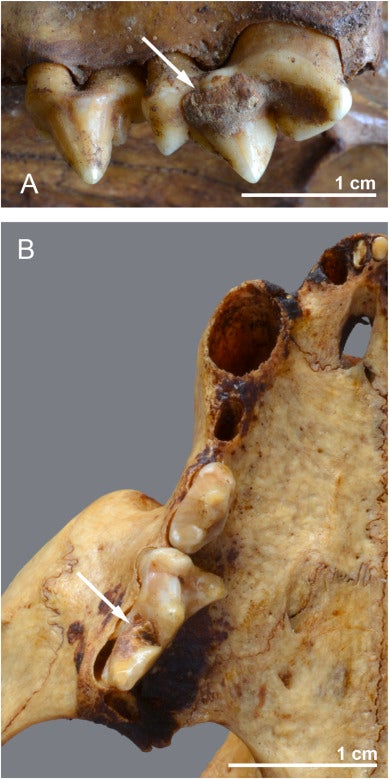
Twenty-three of the 131 cats showed signs of gum disease, and 24 had missing teeth.
Some cat skulls showed evidence that the felines suffered more gruesome injuries.
Thirty-five had pitting marks on their skull surface, while 19 had small perforations in the floors of their eye sockets – signs consistent with infections or potential nutritional stress.
Some puncture marks on the skulls seemed related to bite wounds from other cats, researchers say.
One smaller cat’s skull appeared to have marks left by the canine teeth of a jungle cat.
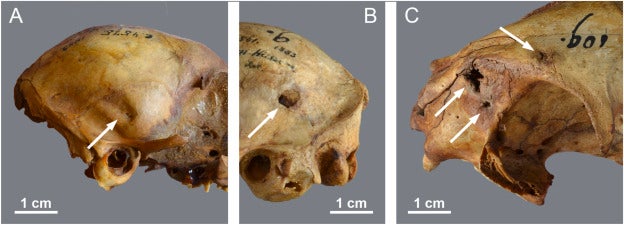
There were also marks on other cats consistent with blows from a sharp metal implement, indicative of injuries caused by humans.
“Our observations of traumatic lesions on the skulls provide evidence of fatal injuries, as well as cases of animals that survived violent interactions with humans,” researchers wrote in the study.
“These findings suggest that the living conditions of the cats were poor, with a high prevalence of infectious disease and, most likely, nutritional stress,” they wrote, adding that the felines likely “lived in a stressful environment, probably in confined spaces rather than being allowed to roam freely”.
It is known that some cats in ancient Egypt were deliberately killed in preparation for mummification through blows to the head or by neck snapping.
Researchers suspect some cats were reared deliberately for mummification.
The prevalence of diseases and injuries among these cats hints that they were housed together in cramped conditions, scientists say.
These injuries were likely caused by humans part of the cat-farming industry, as punishment, or during attempts to break up fights between the felines.