










Want to bookmark your favourite articles and stories to read or reference later? Start your Independent Membership today.
Join today
Already a member?
Log in
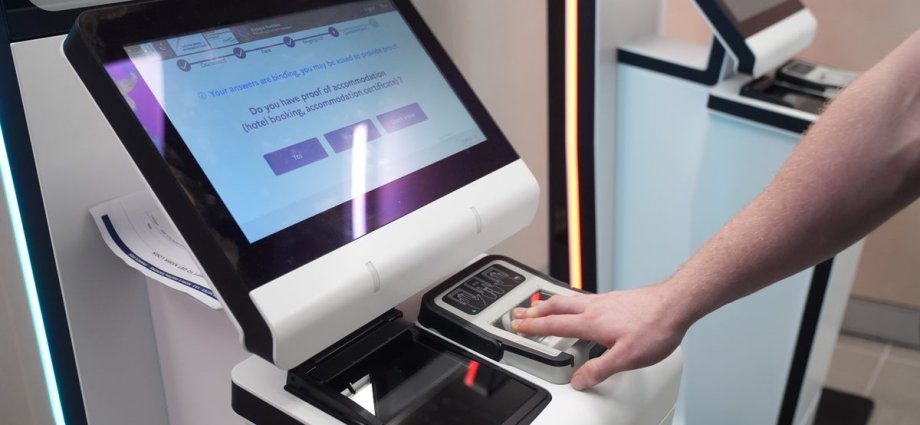
The EU is suing IMB and two other European tech firms over the issues and repeated delays caused by the bloc’s new smart border system.
EU-Lisa, the agency responsible for the operational management of large-scale IT systems in the area confirmed it has filed a lawsuit against French IT group Atos and Italian defence contractor Leonardo.
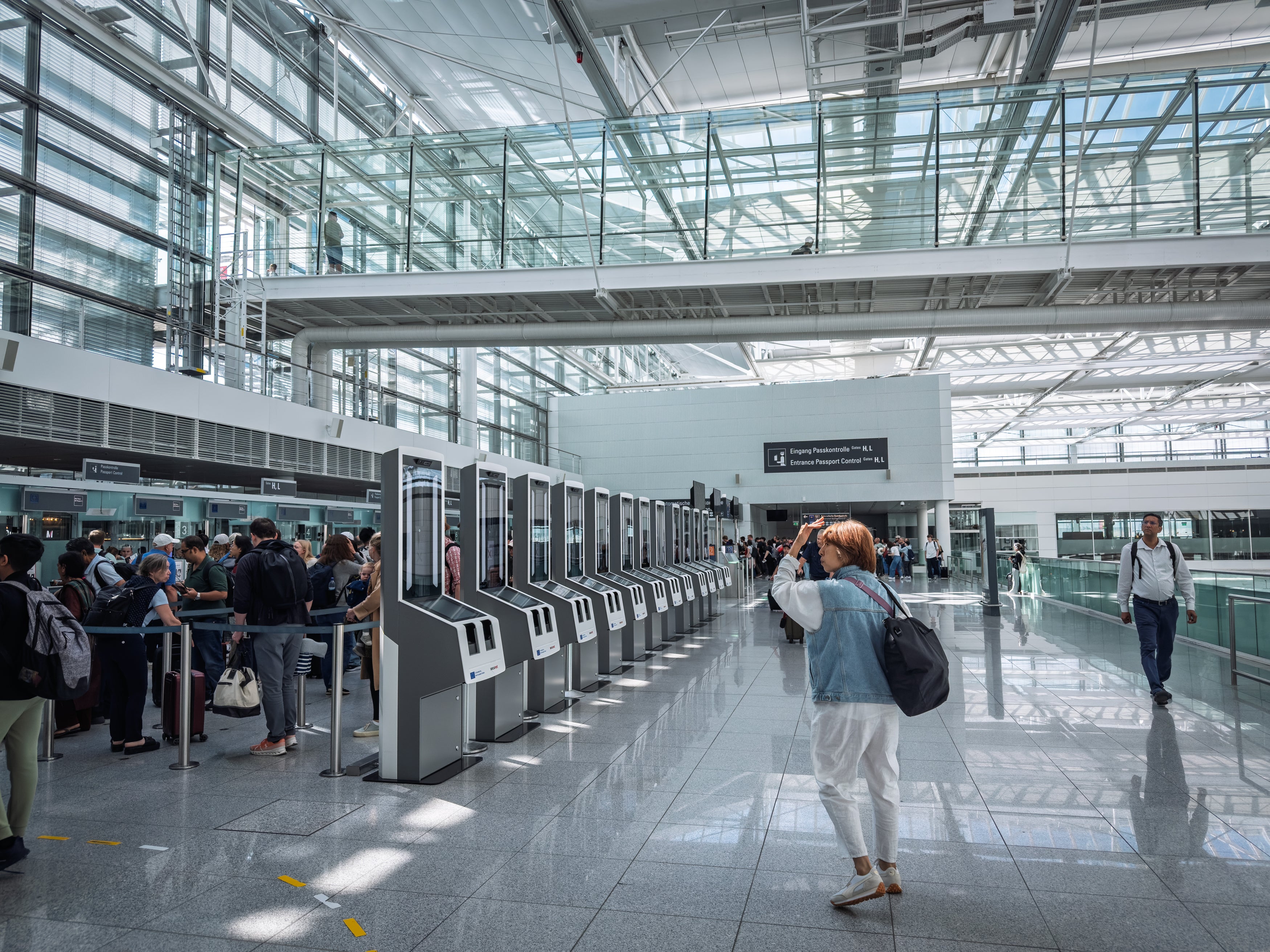
It comes amid repeated issues with the bloc’s Entry-Exit System (EES), which mandates that visitors from third-party nations, such as the UK, must have their fingerprints registered and photograph taken to enter the Schengen Area, which consists of 29 European countries, mainly in the EU.
Since its launch, extensive queues have caused severe disruption for some travellers, leading to missed departures. Airports in Spain, Portugal, France and Italy have been reported among the worst affected, with more than 100 easyJet passengers missing a flight from Milan Linate to Manchester in April amid passport desk delays.
In May, the Port of Dover declared a “critical incident” during half-term after wait times hit four-and-a-half hours on a day handling roughly 8,500 outbound tourist vehicles.
In 2019, the EU agency awarded a core EES contract to a consortium including IBM Belgium, Atos Belgium and Leonardo. The six-year contract covered implementation and maintenance of the central Entry/Exit System.
EU-Lisa told the FT that the legal proceedings had “no impact on the functioning of the Entry/Exit System (EES),” adding that the dispute relates to delays in the delivery of the EES at the time of the system development and is not related to the operation of the EES.
The Independent has contacted EU-Lisa, IBM, Atos and Leonardo for a comment.
Over the summer, system flexibility allowed member states to partially suspend checks in exceptional circumstances, but this measure expired in September.
The chaotic system has drawn criticism from airlines, including Ryanair which described the EU’s handling of new border checks as a “shambles”.

Ryanair’s chief operational officer Neal McMahon: “The EU’s handling of EES has been a shambles from start to finish.
“Airlines, airports and border authorities repeatedly warned Brussels that the rollout was not ready, that it would increase processing times and that it would create excessive queues for passengers.
“Those warnings were ignored, with EU citizens the ones delayed and disrupted.
“Passengers should not be made pay the price for the EU’s failed EES rollout.”
The EES scheme was rolled out from October last year with expectations it would be fully in force by April. Countries were subsequently granted a 150-day grace period where they could drop the checks over the summer in order to avoid travel chaos.
While this grace period expired on 6 September, at least nine countries reportedly told the European Commission they would not enforce the new controls until the technology and systems were working correctly.
France, Belgium, the Netherlands, Germany, Greece, Malta, Portugal, Italy and Switzerland have been allowed to delay implementing the scheme to “maintain border fluidity”, according to The Sunday Times.