









Want to bookmark your favourite articles and stories to read or reference later? Start your Independent Membership today.
Join today
Already a member?
Log in
Fibre is one of the most important parts of our diet, yet nearly all of adults in the UK (96%) aren’t reaching the recommended 30g a day recommendation.
New research has found we are throwing away vast amounts of food containing essential dietary fibre, despite it being linked to a lower risk of developing bowel cancer and heart disease.
It aids digestion because it is harder for our bodies to break down, which makes us feel full for longer.
It also helps with constipation and acts like a prebiotic for the gut by feeding beneficial gut bacteria, which results in lower inflammation.
Fibre can be found in the peels and stalks of fruit and vegetables, with an unpeeled kiwi containing 50% more dietary fibre than a kiwi that has had its skin removed.
A study by King’s College London looked at 12 raw fresh foods to analyse their fibre content, and found the usually discarded parts – like rind, skin and seeds – contain more fibre than the flesh we tend to eat.

The scientists found 100g of watermelon rind contains 2.10g of fibre, which is roughly the same level as a slice of wholemeal bread.
Eating 100g of the skin and seeds a of butternut squash yields 9.25g of fibre – about the same as a bowl of bran flakes – while the tough skin and core of a pineapple contains five times more fibre than the sweet flesh.
Project lead Dr Rachel Gibson said the findings suggest people are throwing away a significant amount of fibre.
“This isn’t just a nutritional loss, it’s also a financial one – you’re effectively throwing away a substantial portion of what you’ve paid for,” she explained.
Chucking out your uneaten broccoli stalks and cauliflower leaves is also contributing to the 10 million tonnes of food wasted each year in the UK, which in turn contributes to greenhouse gas emissions.
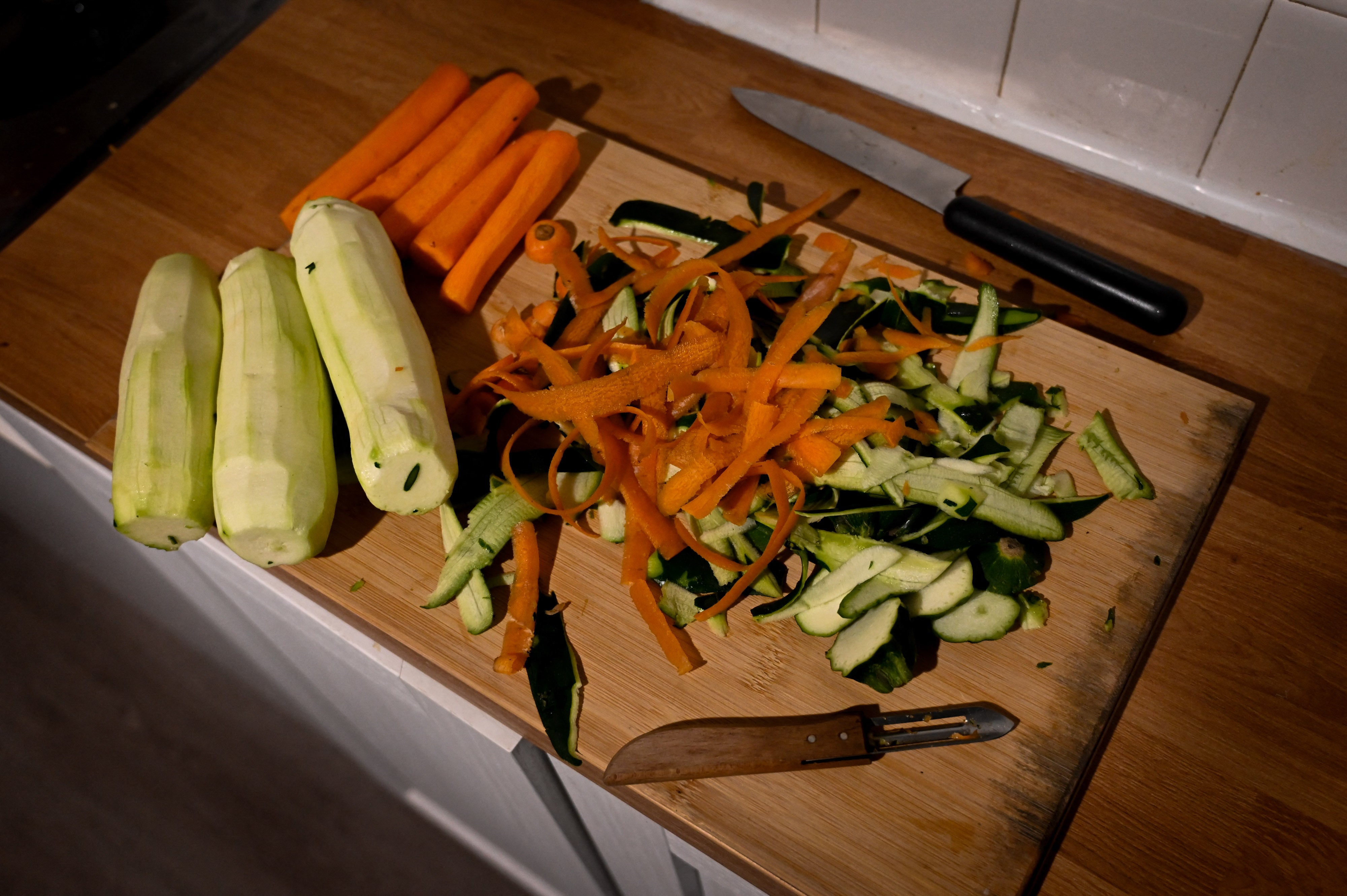
According to research, over two-thirds of wasted food is edible for human consumption, and a large proportion (36%) is made up of fresh fruit and vegetables that have been binned.
One way to quickly boost your fibre intake is to try ‘root-to-tip’ eating, whereby you leave skins on fruit and veg, use stalks in stir-fries or toast bell pepper seeds to sprinkle over your meals.
“This isn’t about perfection and this isn’t about forcing people to eat unpalatable food – it’s about recognising the nutritional value in components we’ve been conditioned to discard,” Dr Gibson added.
The largest yield of fibre comes from raw or uncooked food, as the cooking process can change fibre content. Microwaving, steaming or sautéing vegetables are the best ways to preserve the nutrients in your food.