









Want to bookmark your favourite articles and stories to read or reference later? Start your Independent Membership today.
Join today
Already a member?
Log in
Artificial intelligence-powered “doorbell cameras” are being trialled by an international team of specialists to alert local communities to approaching polar bears amid the growing threat of human conflict.
Created by the conservation charity Polar Bears International, the initiative is part of a broader push to safeguard both human lives and wildlife as global warming escalates the frequency of hazardous interactions.
Known as Bear-vision, the technology evolves from earlier “Bear-dar” systems, which integrated radar with video equipment to spot movement across the Arctic landscape and track nearby animals.
According to the organisation, Bear-vision provides a cost-effective and accessible warning tool designed to notify residential properties and commercial premises whenever a bear draws near.
Researchers are setting up the initial Bear-vision unit at a waste site in Churchill, a northern coastal town situated along Hudson Bay in the Canadian province of Manitoba.
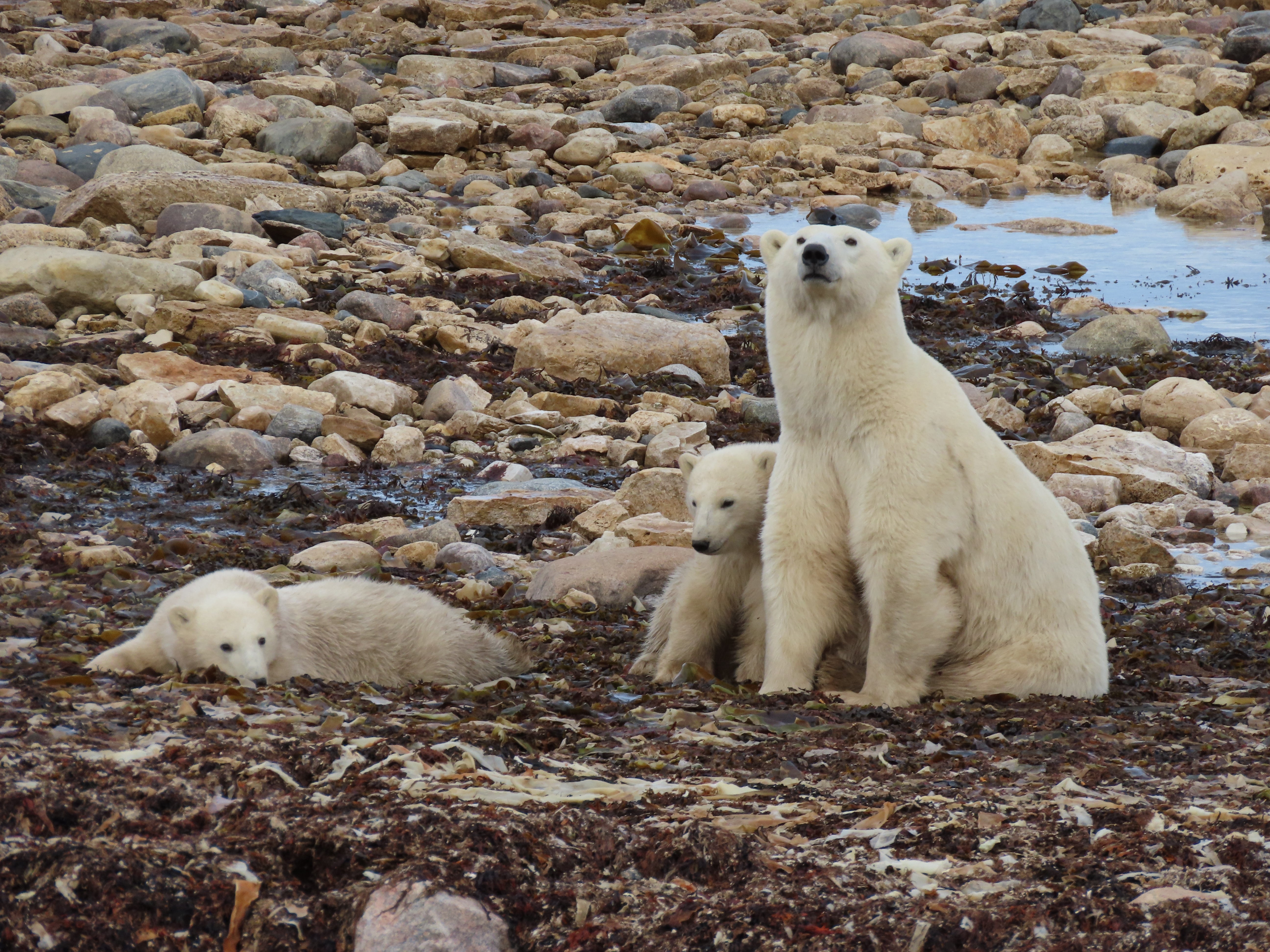
This deployment is intended to assist local residents in overseeing the site during a period when polar bears congregate to await the freezing of Hudson Bay so they can hunt seals, a gathering that also draws thousands of visiting tourists.
Krista Wright, executive director of Polar Bears International, said: “We’re grateful to the Churchill community, who we’ve been honoured to work with over the decades on human-polar bear co-existence, ensuring that conservation benefits not just wildlife but the community too.
“We’re experiencing first-hand how co-existence is becoming part of everyday life in more places.”
Elsewhere, the conservation group is exploring other novel methods to safely ward off bears, including drones.
Polar Bear International and Brigham Young University are collaborating with Churchill’s Polar Bear Alert Programme to test drones as an affordable and non-lethal way to move bears away from communities safely.
This deterrent research project is also testing ultrasonic sound, conductive materials, and a new odour-based bear spray formula.
Polar Bear International said the doorbell camera technology was being tested at the Churchill waste dump alongside to keep polar bears away from the facility.
It comes after a fire destroyed the site in 2024, which led to bears pawing through the rubbish to find food and causing concerns around hungry polar bears not only ingesting toxic rubbish but then being attracted by the smell of food waste.
The team has also installed new electric fences, deployed its Bear-dar technology and sent a group of its experts from Churchill to tour a similar waste management facility in Greenland.
The annual Polar Bear Week 2026, organised by Polar Bear International, begins this Sunday to mark the seasonal gathering of the animals.
The group highlighted that melting sea ice driven by climate change now leaves these animals stranded waiting on land for approximately one month longer than their grandparents did.
This means measures to ensure safe co-existence between the town and the animals are becoming increasingly important, it added.