









Want to bookmark your favourite articles and stories to read or reference later? Start your Independent Membership today.
Join today
Already a member?
Log in
The government will take money directly from the bank accounts of tax evaders under new powers.
HM Revenue & Customs (HMRC) will have the authority to deduct money from current and savings accounts of people who fail to pay their tax bill, The Times reported.
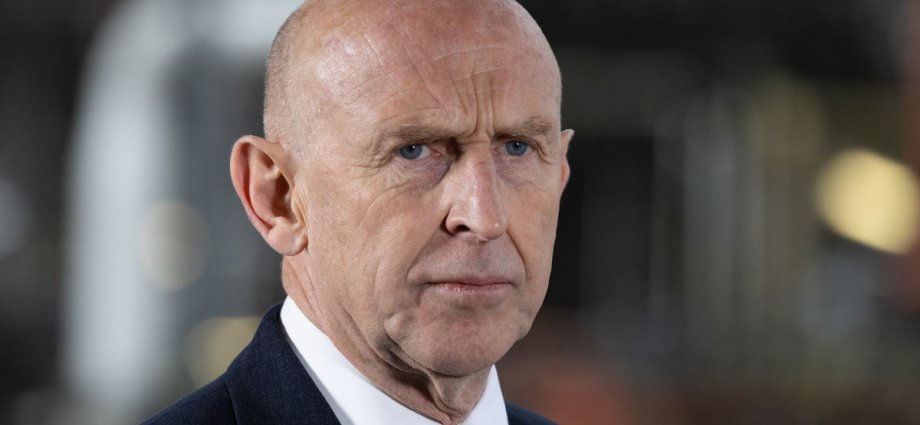
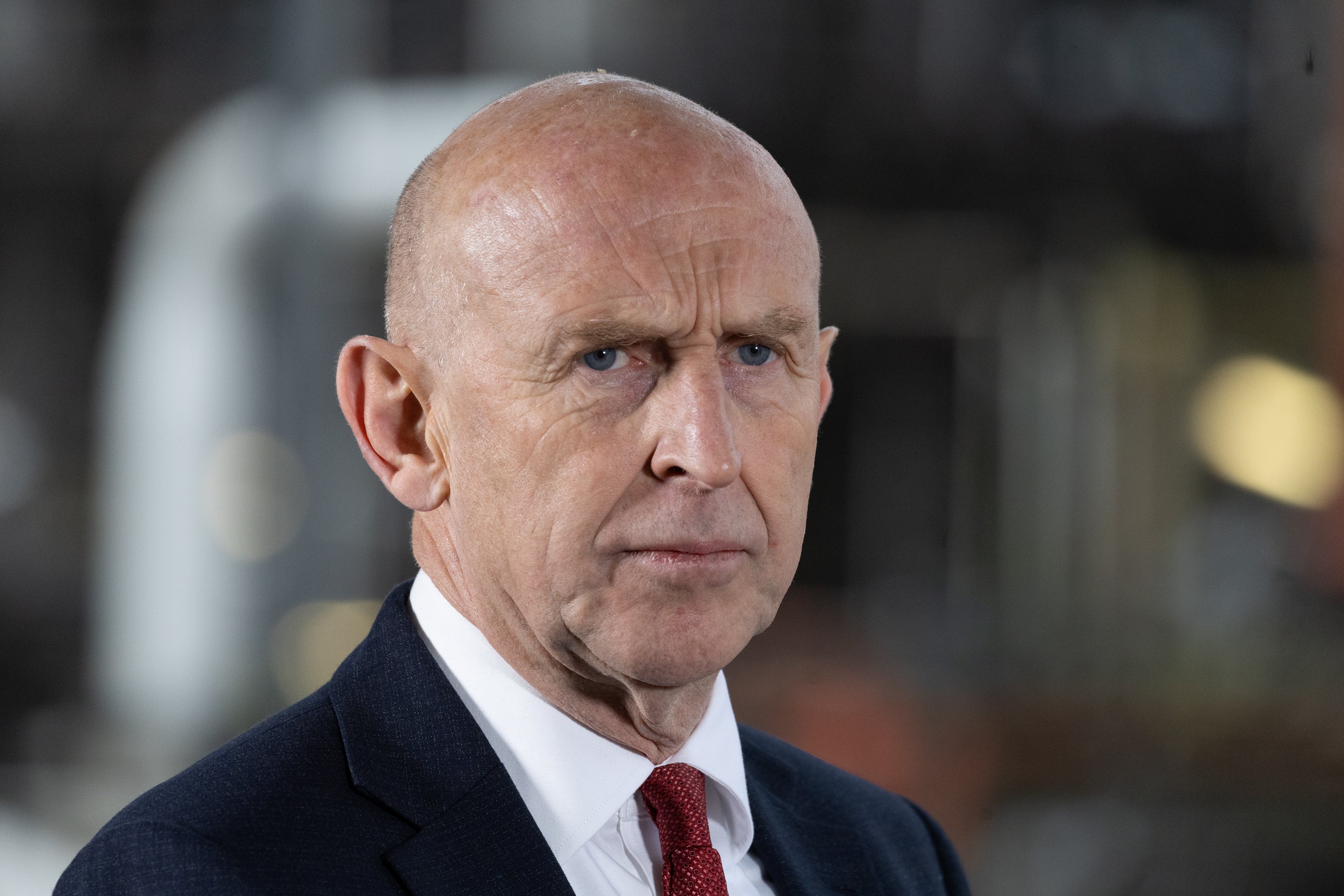
The latest move by chancellor John Healey, set to be announced in the Autumn Budget on Wednesday, is in response to Britain’s gaping £60bn tax debt.
For small unpaid debt, HMRC estimates that around 4.8 million people and companies hold debts below £10,000, totalling about £4bn.
This equates to an average debt of £950 for individual customers.
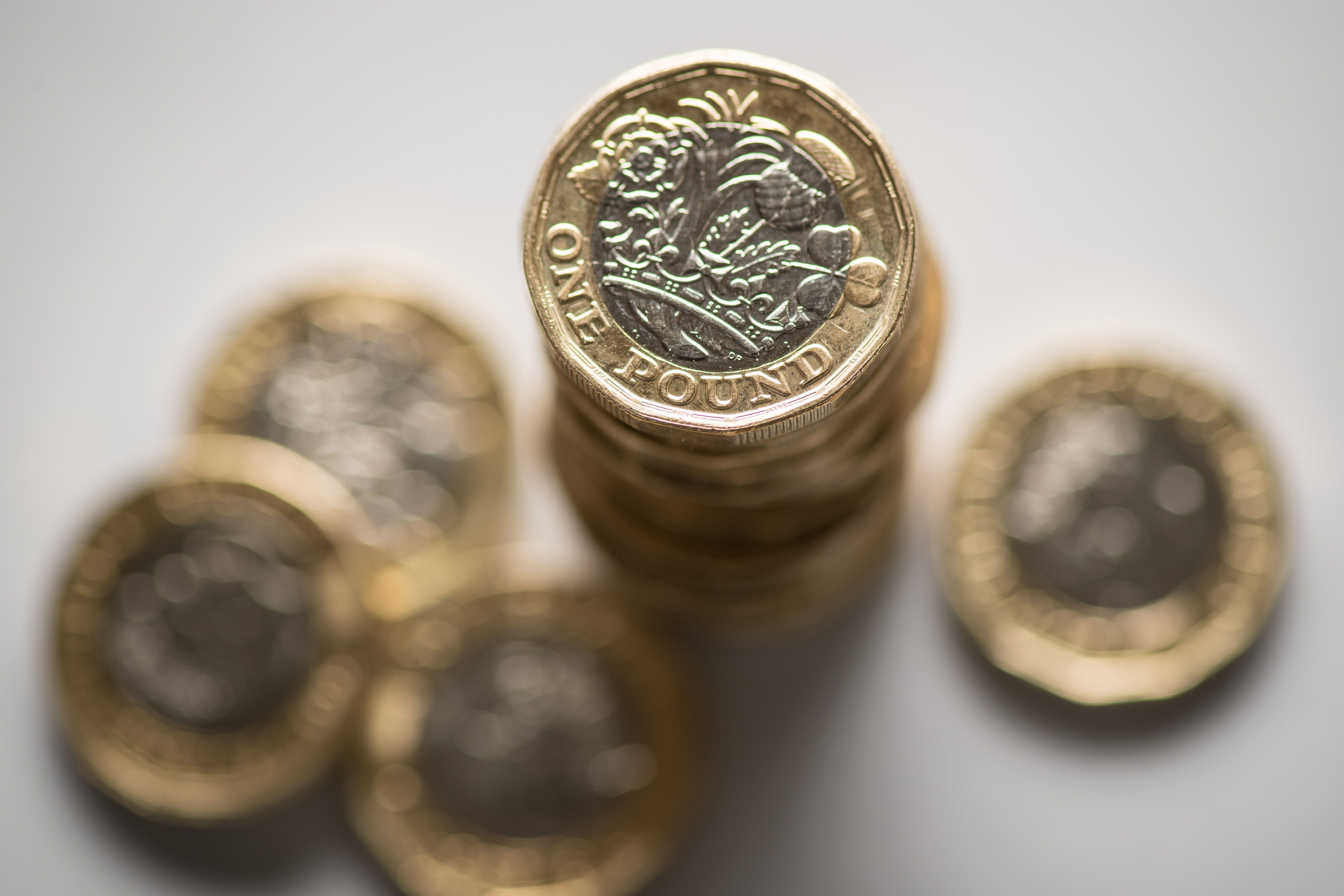
Currently, HM Revenue & Customs (HMRC) can take money directly from the accounts of debtors who owe more than £1,000 in tax, provided they have at least £5,000 remaining after the debt is recovered.
These powers, which came into force in 2015, were paused during the pandemic and reintroduced by Labour in 2025.
But this threshold could be slashed to as little as a few pounds, in the case of taxpayers who have repeatedly dodged HMRC. The deductions could include repaying fines and interests.
Andrew Griffith, the shadow chancellor, told The Times the move was “absurd”, as he accused Labour of giving the taxman the power to “to empty your bank account over a few hundred pounds and leave you with nothing to pay the rent”.
The Association of Taxation Technicians (ATT) told the paper that HMRC should not introduce these new powers until it could give assurance that adequate safeguards are in place and the right taxpayers would be targeted.
It comes as the National Audit Office (NAO) said HMRC is facing increasing issues from debtors who do not engage with it.
Since 2021, HMRC has introduced new measures to manage tax debt, including recruiting more staff, increasing its use of private sector debt collection agencies and using data to tailor its approach to different debtors.
HMRC estimates that this generated £10.7bn in additional revenue by the end of 2025-26, against spending of £368m.
Mr Healey’s first Budget as chancellor is also rumoured to include a tax crackdown on online retailers as part of his plan to deliver a budget for the “white van man” and the “high street beautician”.
Mr Healey is reportedly looking at ensuring that multibillion-pound online marketplaces such as Amazon, eBay and Temu will be made responsible for collecting tax owed by retailers selling on their platforms.
The policy will crack down primarily on foreign sellers who abuse the rules to avoid paying VAT. It is expected to raise as much as £1bn, money which will be used to cut business rates for high street shops.
There has been speculation that the chancellor could choose to raise bank taxes in his Budget.
The TUC union has called on the prime minister to introduce a windfall tax on banks as a result of the “huge” profits and bonus payments they make, and use the money to cut energy bills with a social tariff for two in three households.
The Treasury told The Independent: “As has always been the case, decisions on tax are a matter for the chancellor to set out at fiscal events, rather than routinely commenting on rumour, speculation or proposals.”