


Want to bookmark your favourite articles and stories to read or reference later? Start your Independent Membership today.
Join today
Already a member?
Log in
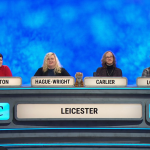
Contestants on the long-running BBC quiz show University Challenge have criticised the BBC after the broadcaster digitally edited out badges showing the pride flag.
While filming the episode earlier this year, students from the University of Leicester wore pins bearing the LGBTQ+ pride flag and the bisexual pride flag, as well a rainbow feather, another a symbol tied to the LGBTQ+ community.
In the final broadcast version of the episode – which aired in September following two delays – the pins had been digitally censored.
Two of the students, Samuel Carlier and Emmeline Hague-Wright, condemned the BBC’s censorship in an interview with the Leicester Gazette.
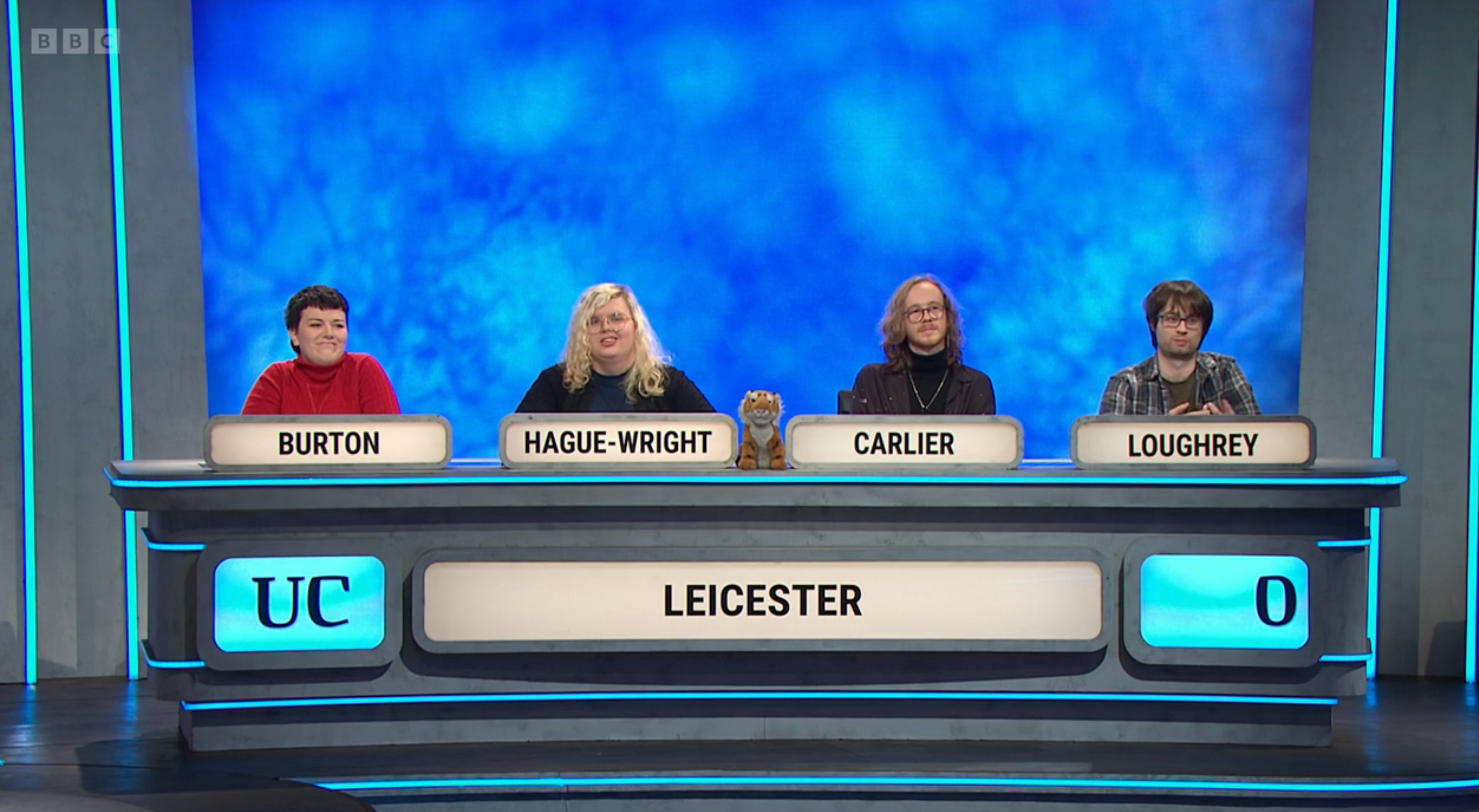
Describing the broadcaster’s decision as “weird” and “absurd”, Carlier told the outlet: “If I had worn a rainbow shirt, would they have censored that? If the idea is to keep things impartial, where is that line in the sand?”
“Living in a liberal democracy and having the state broadcaster tell you ‘we’re editing how you look’, seems very Orwellian.”
He confirmed that he sought an explanation from the BBC over the removal, and was told to file a complaint on the BBC’s complaints website. The contestant said he did so, but has not received an explanation for the flag’s removal.
A BBC spokesperson told the Gazette that the delays to the episode’s release were unrelated to the removal of the pins.

Watch Apple TV free for 7 day
New subscribers only. £9.99/mo. after free trial.
Plan auto-renews until cancelled.
ADVERTISEMENT. If you sign up to this service we will earn commission. This revenue helps to fund journalism across The Independent.
“In line with our editorial guidelines, we advise that no badges, flags, and emblems or symbols are worn or visible during filming, along with clothing with obvious branding or slogans,” they said in a statement. “If such items are not removed for any reason then a decision is made between the programme makers and the BBC regarding any edits to the programme.”
Hague-Wright, meanwhile, said she was contacted by the corporation ahead of the episode airing, and had been told that the BBC “had received a lot of nastiness online from people”.
“I thought they were going to call me to say ‘we have support services if needed,’ and that wasn’t what I got at all,” she said.
The Independent has contacted the BBC for further comment.
The incident comes weeks after the BBC faced criticism for censoring a t-shirt bearing a slogan in support of trans rights in an episode of the reality series Strictly Come Dancing.
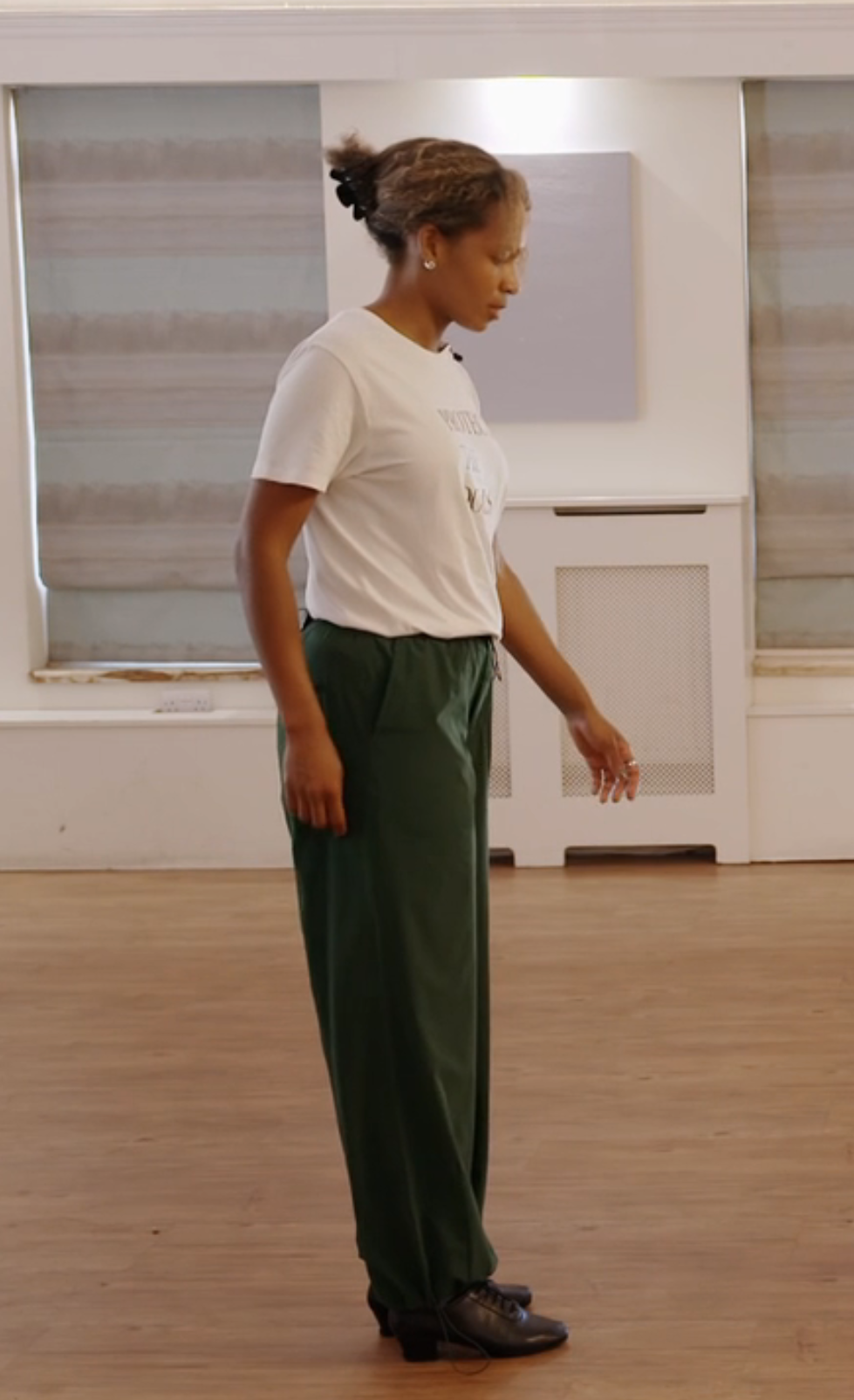
Strictly star Bethany Antonia was seen in rehearsals wearing a shirt emblazoned with the phrase “Protect the Dolls”, a phrase used in support of trans women. In the LGBTQ+ community, a “doll” is an affectionate slang term for a trans woman.
When footage from the rehearsal was included in a broadcast episode of the show, the t-shirt had been altered to remove the phrase.
In response, a BBC spokesperson told The Independent: “As is standard practice on any entertainment show on the BBC and in line with our editorial guidelines, appropriate steps are taken to reduce the inclusion of any overt branding or slogans that may be present, regardless of the wording or statement in question.”