










Want to bookmark your favourite articles and stories to read or reference later? Start your Independent Membership today.
Join today
Already a member?
Log in
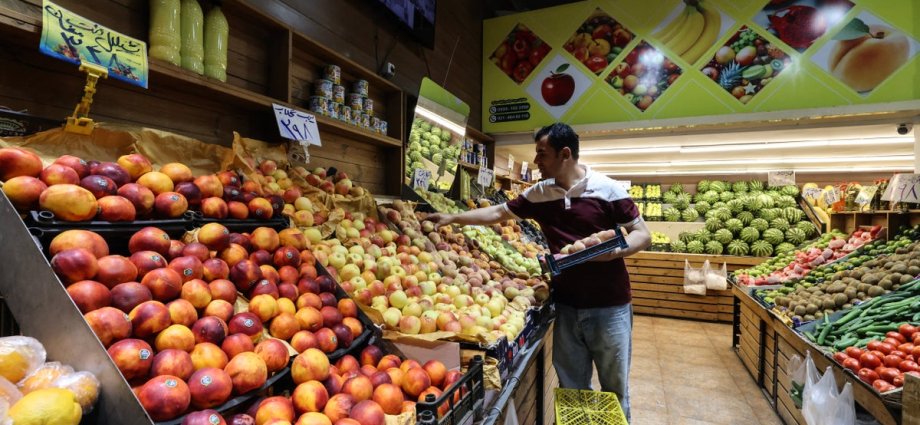
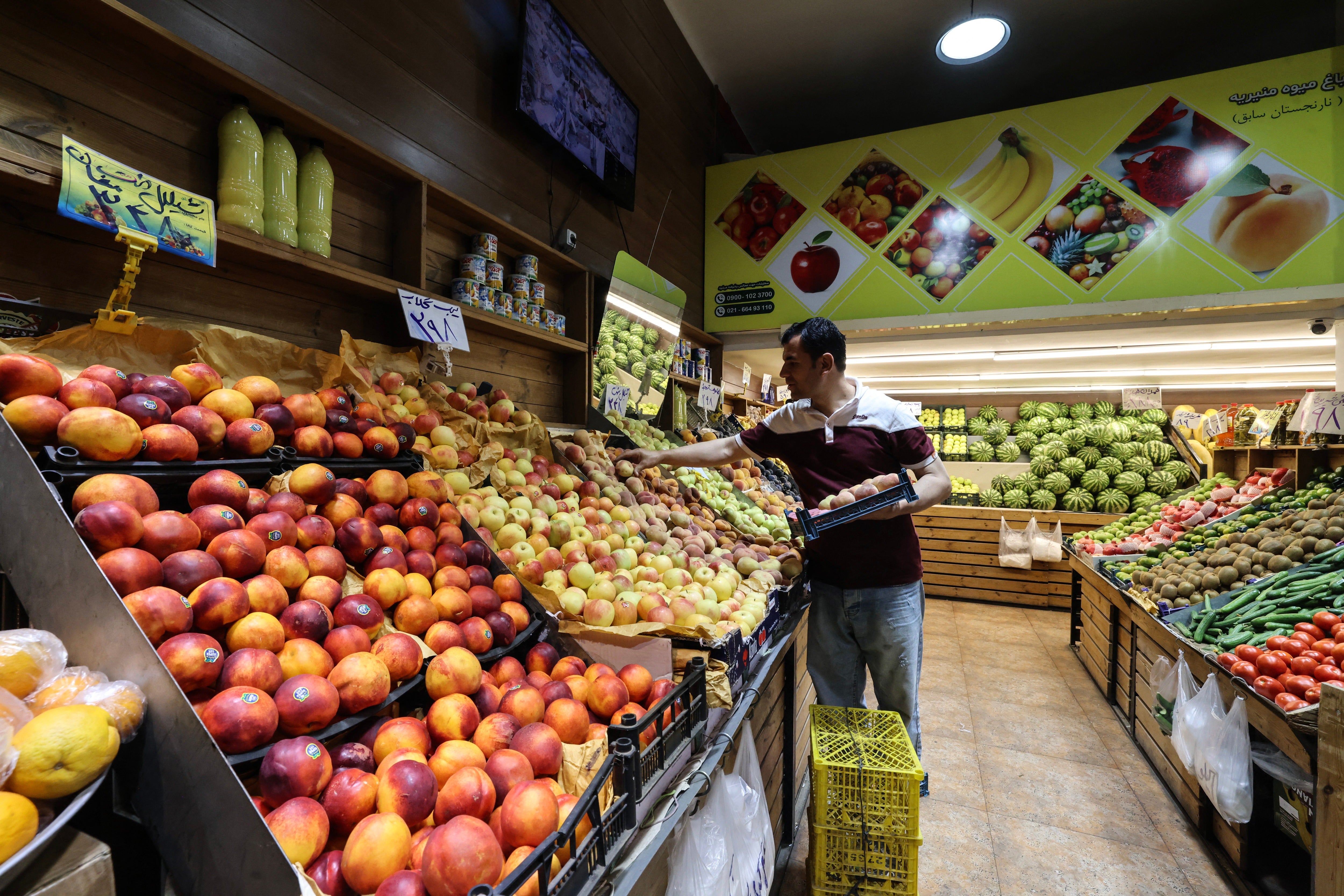
Eating whole fruits could be better for heart health than drinking concentrated juices made from them, a large new study of over 371,000 Americans reveals.
Previous studies have suggested that eating fruits can be better overall for health than consuming juices, but exactly how different the effect is on heart health has remained unclear.
To understand this, researchers assessed how often people in the US drank 100 per cent fruit juice versus how often they ate whole fruits and compared the results with the heart disease risk of individuals.
For the data, scientists tapped into the Behavioural Risk Factor Surveillance System (BRFSS), an ongoing, telephone-based survey system used in the US.
They assessed data collected from 371,038 respondents during the 2019 survey year, of whom just over 50 per cent were female.
Researchers divided heart issues of the participants into two main categories: those with risk factors like high blood pressure (Hypertension) and high cholesterol, as well as people with actual cardiovascular diseases (CVD), including a history of heart attack, stroke, or angina.
The participants reported consuming whole fruit 1.06 times per day on average, while they reported consuming fruit juice 0.3 times per day.
Scientists found that participants who had high blood pressure and a history of heart attacks, stroke, or angina all reported drinking fruit juice more frequently than people who did not have these conditions.
The only exception researchers found was among people with high cholesterol, who actually drank fruit juice less frequently than those with normal cholesterol levels.
Researchers particularly found that people with heart health conditions, as well as risk factors, all reported eating whole fruits less frequently compared to those free from these conditions.
The findings published in the journal Current Developments in Nutrition held together even after scientists adjusted for other factors such as each person’s age, race or ethnicity, education level, income, and smoking status.
They show that the relationship between fruit juice and heart disease is highly complex.
Since the study did not track participants over decades, it cannot prove cause and effect, scientists say.
As the data for the study is based on participants’ self-reporting on telephone surveys, it may not reflect the complete picture, they say.
However, scientists caution that adults with a less favourable heart disease status reported lower fruit intake frequency compared to those without the condition.
Researchers suspect that the difference in effects could be due to the fibre-rich peels of fruits and their pulps being removed when they are made into juice.
“Additional research is warranted to examine how CVD status affects fruit intake frequency, pinpoint potential mechanisms, and identify strategies to increase fruit consumption in the US population,” they wrote.