










Want to bookmark your favourite articles and stories to read or reference later? Start your Independent Membership today.
Join today
Already a member?
Log in
Ending Aids is within reach but funding cuts will cause millions of deaths and infections and “dismantle” 30 years of progress, the head of UNAIDS has warned.
It comes as the agency revealed that one person died of an HIV-related illness every minute in 2025, in their latest annual report.
Winnie Byanyima, head of the UN agency dedicated to the HIV response, told The Independent the full impact of recent unprecedented aid cuts by the US and other countries, including the UK, is still not known but that the early signs are grim.
At the launch of Ending AIDS Starts with Access she urged the UK government to use its position as a “global influencer” not only to protect the resources that remain but to reform the international financial system so that developing countries can fund their own HIV responses.
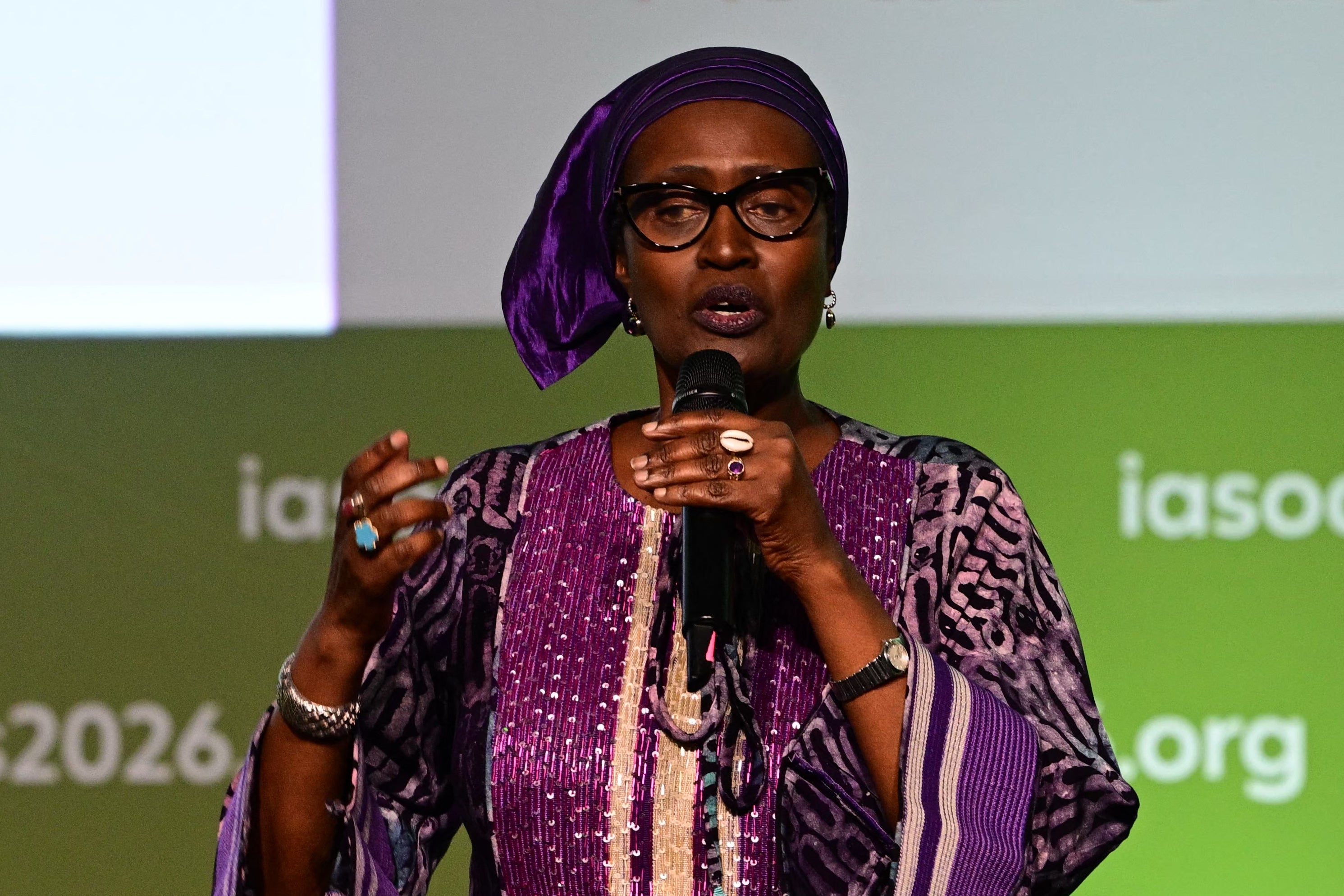
“These cuts are not yet reflected in our infection and mortality figures. We don’t know what the true impact is in terms of the numbers, but the signs are already there,” she said.
“The Aids response remains one of the greatest public health achievements of our time.
“We have spent 30 years building the infrastructure to end Aids – we should not allow it to be dismantled in this one year.
“Today’s funding cuts are the millions of new infections and deaths of the future. Every time you cut funding, you are pushing a bill to the future: more deaths, more new infections and more cost of treatment.”
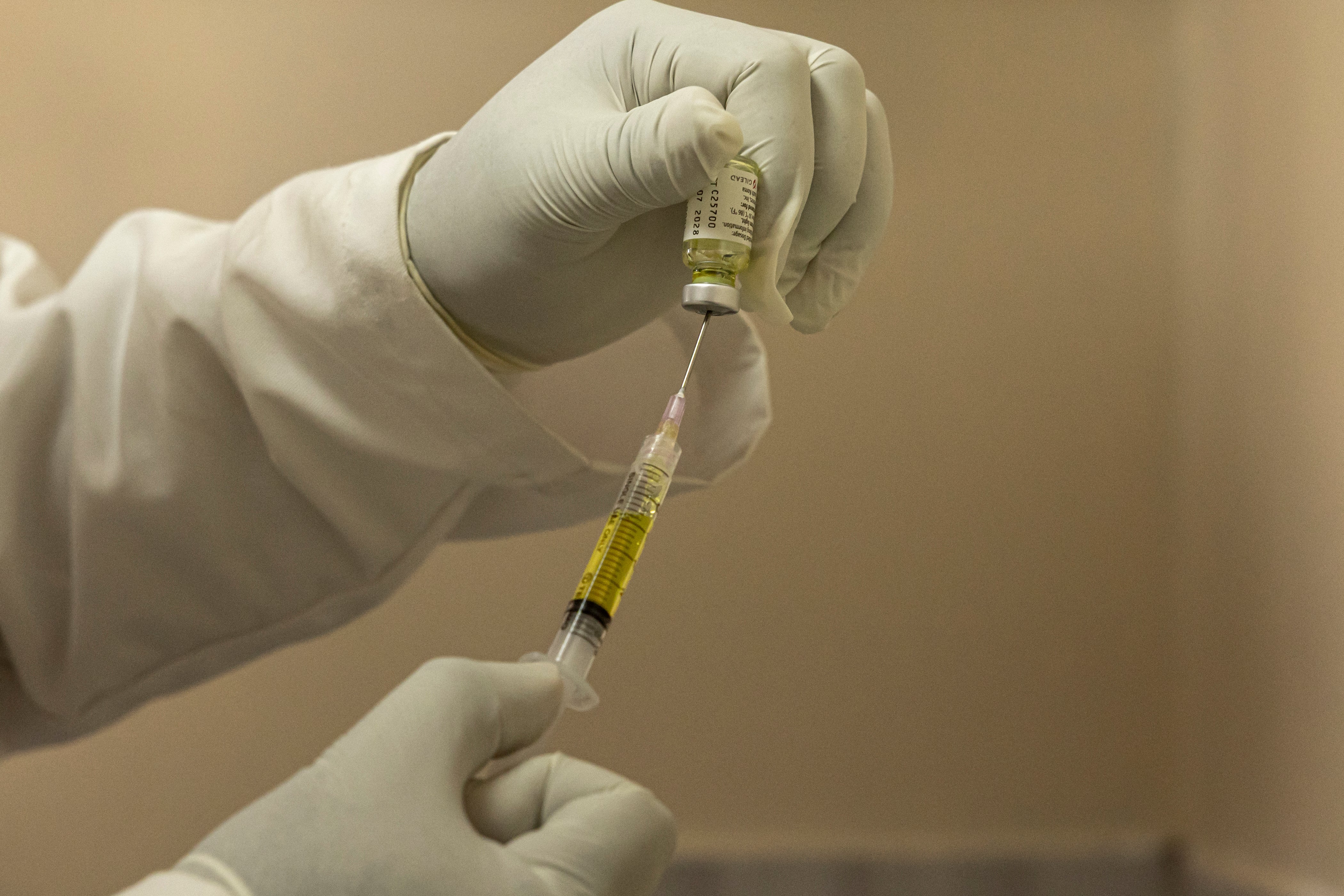
Ms Byanyima said innovations in prevention, particularly the rollout of lenacapavir, a long-acting injectable that prevents HIV, could drive infections towards zero for the first time.
“Ending Aids is within our reach. Future generations, our children, should not be fighting this battle. We can be the generation that finishes this job.”
In the report, UNAIDS said the world had been moving closer to controlling the pandemic, but that the steepest cuts to foreign aid on record have put that progress in jeopardy.
Official development assistance fell by nearly a quarter globally in 2025, devastating international financing for HIV response. One of the harshest blows came from the US. It provides nearly three-quarters of donor government funding for HIV in low and middle-income countries, but it cut its bilateral contributions by 26 per cent, the report said.
As a result, the total available for the Aids response in low and middle-income countries fell to US$17.6bn (£13.5bn). That is around 20 per cent short of the US$21.9bn (£16.8bn) needed each year by 2030 to end Aids as a public health threat.
The impact is already visible. While Aids-related deaths have fallen to their lowest level in more than two decades, last year’s death toll was still more than double the UN’s 2025 target, a milestone on the way to ending Aids as a public health threat by 2030.
Approximately 570,000 people around the world died of Aids-related illnesses in 2025, equivalent to almost 1,600 deaths a day. More than 40 per cent of those deaths occurred in eastern and southern Africa. The target, set in 2021, was supposed to be fewer than 250,000.
Fifty-five countries have reported increasing their own HIV budgets since 2025, and domestic sources now provide around 60 per cent of funding, the report said. But UNAIDS says this falls far short of replacing the lost international money.
“Developing countries are trying their best to absorb such a shock,” Ms Byanyima said. “They are not saying they want to be receiving aid for ever. But they want a decent chance to take over and manage their response.”
The abrupt and unprecedented cuts in aid have had a chaotic impact on the ground, affecting not only the delivery of medicines but also data collection and reporting.
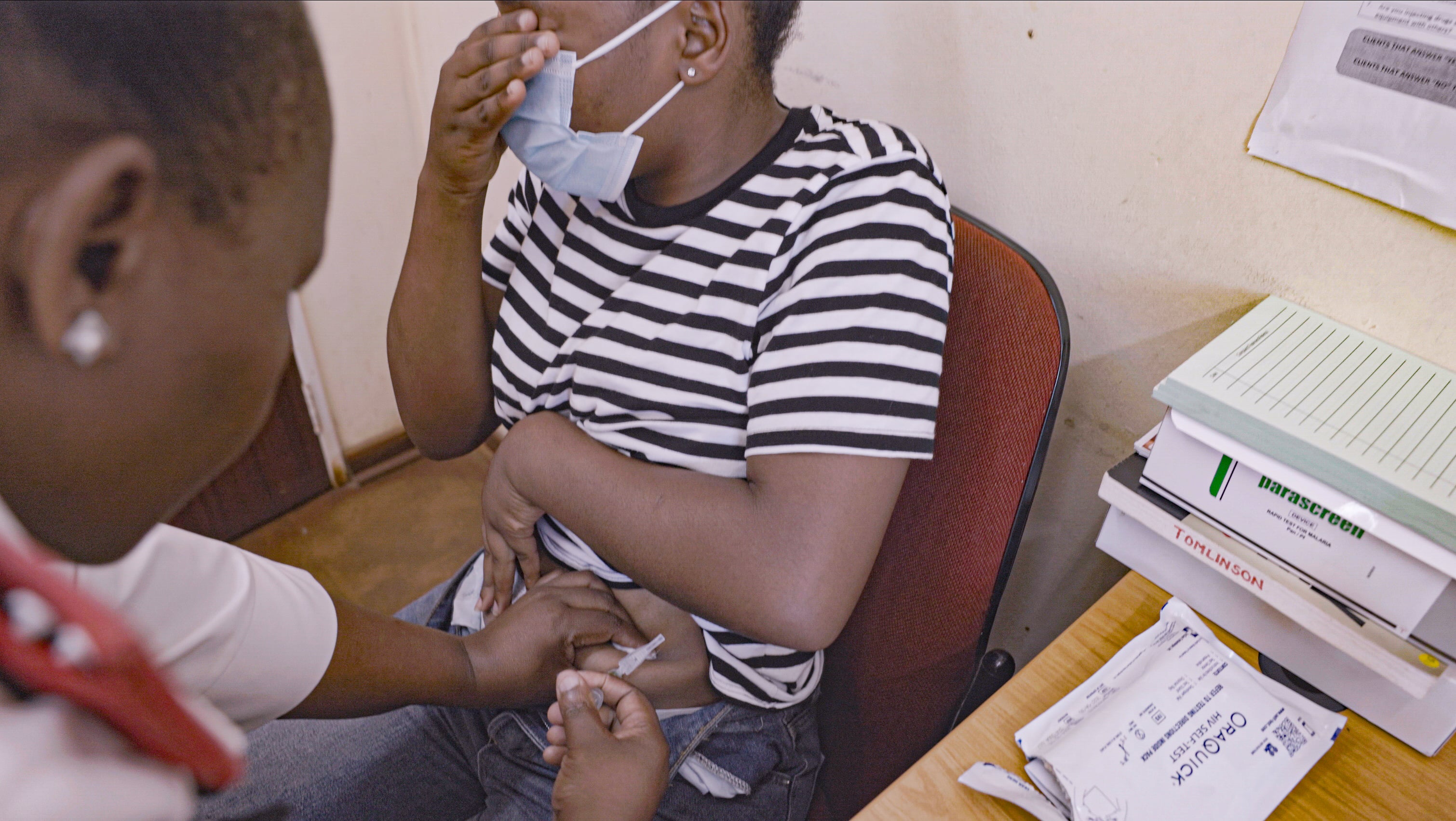
The Independent visited HIV clinics in Uganda where staff were working for free and were unable to properly monitor the families who rely on them.
In its report, UNAIDS said of the estimated 1.3 million children aged 0 to 14 living with HIV in 2025, almost half (570,000) were not receiving HIV treatment.
Prevention has also taken the biggest hit. Almost 15 per cent fewer people were using pre-exposure prophylaxis (PrEP) in 2025 than in 2024.
The setbacks come amid historic scientific discoveries like the roll out of lenacapavir, a twice-yearly PrEP injection that has been described as the closest thing to an HIV vaccine.
But there are problems here too, Ms Byanyima said. Gilead Sciences, the US company that developed lenacapavir, has granted generic licences to only a handful of manufacturers – and none based in sub-Saharan Africa, which carries the largest burden of HIV.
Since the rollout began in late 2025, just 175,000 people across African countries have started taking lenacapavir.
“In order to bend the infection curve, we need to reach 20 million people by 2030. 175,000 is a drop in the ocean,” she said.
There has been progress over the past few years, but people from key populations still face the greatest barriers. Compared with adults in general, the risk of acquiring HIV is 34 times higher among people who inject drugs, the report said. It is 17 to 18 times higher among gay men and other men who have sex with men, sex workers and transgender women.
Stigma, discrimination and punitive laws that prevent access to HIV prevention and treatment are often to blame.
The Independent witnessed this in countries such as Nigeria. In some states there, where same-sex relations are punishable by death, US-funded safe spaces and clinics for LGBTQ+ people living with HIV had to close after the USAID cuts.
And so Ms Byanyima, whose own brother died of an Aids-related illness, said the goal of ending Aids is still achievable.
“We are so close,” she said. “We are not waiting for a scientific miracle. We are just waiting for political decisions to drive this to the end.”