








Want to bookmark your favourite articles and stories to read or reference later? Start your Independent Premium subscription today.
Subscribe
`;
document.body.appendChild(modal);
modal.addEventListener(‘click’, () => {
document.cookie=”mos-plan-select=; Max-Age=0; path=/; expires=Thu, 01 Jan 1970 00:00:00 UTC;”;
});
modal.querySelector(‘.subscribe-link’)?.addEventListener(‘click’, (e) => {
e.preventDefault();
document.cookie=”mos-plan-select=; Max-Age=0; path=/; expires=Thu, 01 Jan 1970 00:00:00 UTC;”;
setTimeout(() => {
window.location.href=”https://www.independent.co.uk/subscribe/app”;
}, 500);
});
});
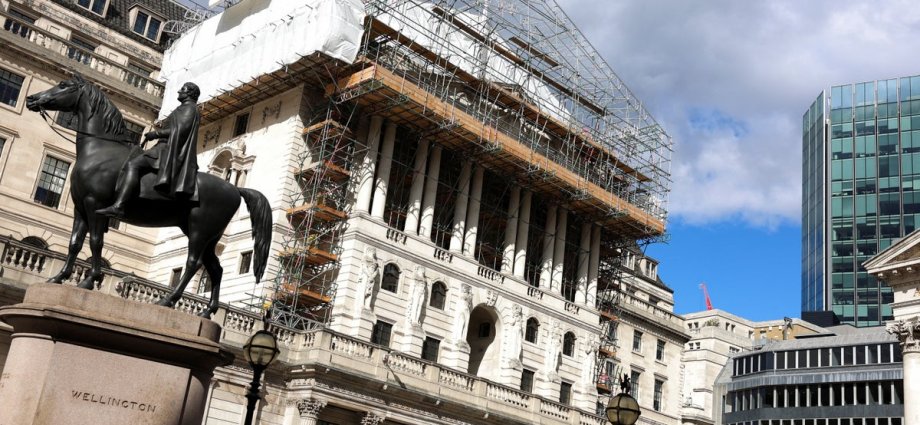
The Bank of England has kept interest rates at 3.75 per cent, despite mounting pressure to hike rates after an uptick in inflation.
The vote is the final one before next month’s Budget and marks the sixth time in a row that the central bank’s monetary policy committee (MPC) has kept rates on hold.
Most analysts now predict the rise will come in November – 11 months on from when rates last moved, when they were pushed downwards from 4 per cent.
The MPC’s vote was once again 6-3, signalling that several members believe a bump in rates is required to offset the rise in inflation, which has been largely driven by higher energy costs due to the Iran war.
But the wider domestic picture has been tricky for the BoE to navigate this year. While the economy has grown slightly more than expected, unemployment is still hovering at 5 per cent, inflation has pushed up to 3.1 per cent and job vacancies are falling. These factors, as well as slowing wage growth, typically argue the case to send rates in different directions – leaving a tough balancing act.
Many economists are also forecasting the cost-of-living to rise further, with households facing another rise in their energy bills from next month – which could prompt the Bank to raise interest rates in the months ahead.
There continues to be “little evidence” in second-round inflation effects from the rise in energy costs, the BoE noted in its meeting minutes, but that came with a caveat pointing to the likelihood of future hikes: “the risk of such [inflationary] effects, against which [interest rates] policy needs to lean, is greater the longer higher energy prices persist.”
Despite the base rate not moving, a recent spike in two-year gilts and swap rates mean mortgage prices have also risen across most major lenders, with experts continually warning homeowners to secure a new deal early once they are in the final six months of their existing ones.

Get a free fractional share worth up to £100.
Capital at risk.
Terms and conditions apply.
ADVERTISEMENT
Get a free fractional share worth up to £100.
Capital at risk.
Terms and conditions apply.
ADVERTISEMENT
Money markets are still pricing in three interest rate hikes, but economists do not presently expect that to translate to more than two actual votes to raise them between now and the end of 2027.
“It’s what’s coming down the line that could shake up people’s finances,” said George Sweeney, personal finance expert at Finder.
“We’ve already seen the mortgage market take a turn, with five major lenders raising rates on the same day this week. This has largely happened because of issues in the bond markets, but the current sentiment from the BoE suggests interest rate hikes are very likely in the near future – with some reports suggesting we could hit at least 4 per cent before the end of the year. This could push mortgage rates even higher.
“Unfortunately, price rises are heating up too, and the latest inflation reading will offer no respite for those who were holding out hope for possible base rate cuts. The interest rate climate isn’t in dire straits just yet, but the data appears to be heading in the wrong direction.”
Estate agency professional body Propertymark concurred, adding: “With a backdrop of continued global unease, many aspects of the housing market have become substantially more subdued than normal, with consumers rightly acting with a greater degree of caution before committing to longer-term and high-value borrowing.
“It will be a case of closely watching what might be announced in the Autumn Budget next month, particularly concerning housing and what support may be offered to first-time buyers, for example.”
Meanwhile, the picture remains somewhat better for savers as interest rates remain reasonably high, with Alice Haine, head of personal finance at Hargreaves Lansdown, saying the “outlook is brighter” for those who can move cash savings into high-yield accounts – with the best rates right now still around 5 per cent.
“Competitive savings rates are back, giving cash a greater opportunity to outpace inflation and work harder. Those with money festering in an account paying a meagre rate risk missing out unless they shop around for a better deal. Few things are more frustrating for savers than watching inflation steadily erode the spending power of cash,” she added.
Looking ahead, Suren Thiru, chief economist at ICAEW, suggested the wider tone of the vote – and the sustained three members pushing for a rise to 4 per cent now – means November’s vote will hinge on if there is any deescalation of hostilities in the Middle East.
“By keeping interest rates on hold, policymakers have chosen patience over panic, balancing the inflationary fallout from the Iran war-induced energy shock against little evidence that it is fuelling more persistent, economy-wide price pressures,” he said. “While the vote split was unchanged, the tone of the meeting minutes points to a hardening of hawkish sentiment within the committee amid mounting inflation concerns, keeping the door wide open to a November rate rise.
“Interest rates are at a critical cliff-edge moment. While policy could still remain on hold this year, persistent US-Iran hostilities mean the risk of a rate hike has shifted from a possibility to a probability.”
Not everybody is convinced that higher interest rates are an absolute given, however.
David Rees, head of global economics at Schroders, sounded the warning over widening policy to a geopolitical lens and said the October Budget will play a bigger part.
“The Bank was right to hold rates today. The markets may be building a case for an autumn hike, particularly if other central banks are tightening, but monetary policy should be guided by the fundamentals of the UK economy rather than global optics,” he said.
“Domestically generated inflation is contained, wage growth is decelerating and unemployment near 5% points to meaningful slack in the labour market. This is not an economy crying out for higher rates.
“The bigger risk lies with fiscal policy. October’s Budget will be crucial. A spending splurge could revive domestic price pressures and bring forward rate hikes, but the strain already visible in gilt markets should make an inflationary fiscal expansion less likely. For now, the Bank has room to look through a temporary energy-led rise in headline inflation.”