










Want to bookmark your favourite articles and stories to read or reference later? Start your Independent Premium subscription today.
Subscribe
`;
document.body.appendChild(modal);
modal.addEventListener(‘click’, () => {
document.cookie=”mos-plan-select=; Max-Age=0; path=/; expires=Thu, 01 Jan 1970 00:00:00 UTC;”;
});
modal.querySelector(‘.subscribe-link’)?.addEventListener(‘click’, (e) => {
e.preventDefault();
document.cookie=”mos-plan-select=; Max-Age=0; path=/; expires=Thu, 01 Jan 1970 00:00:00 UTC;”;
setTimeout(() => {
window.location.href=”https://www.independent.co.uk/subscribe/app”;
}, 500);
});
});
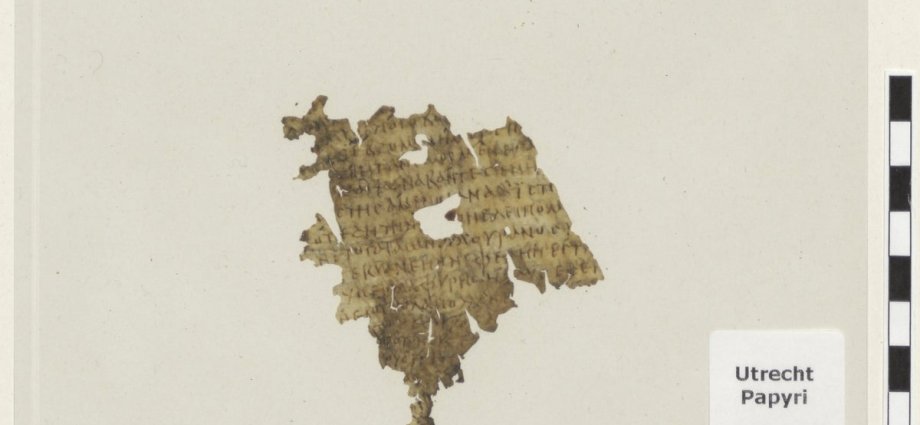
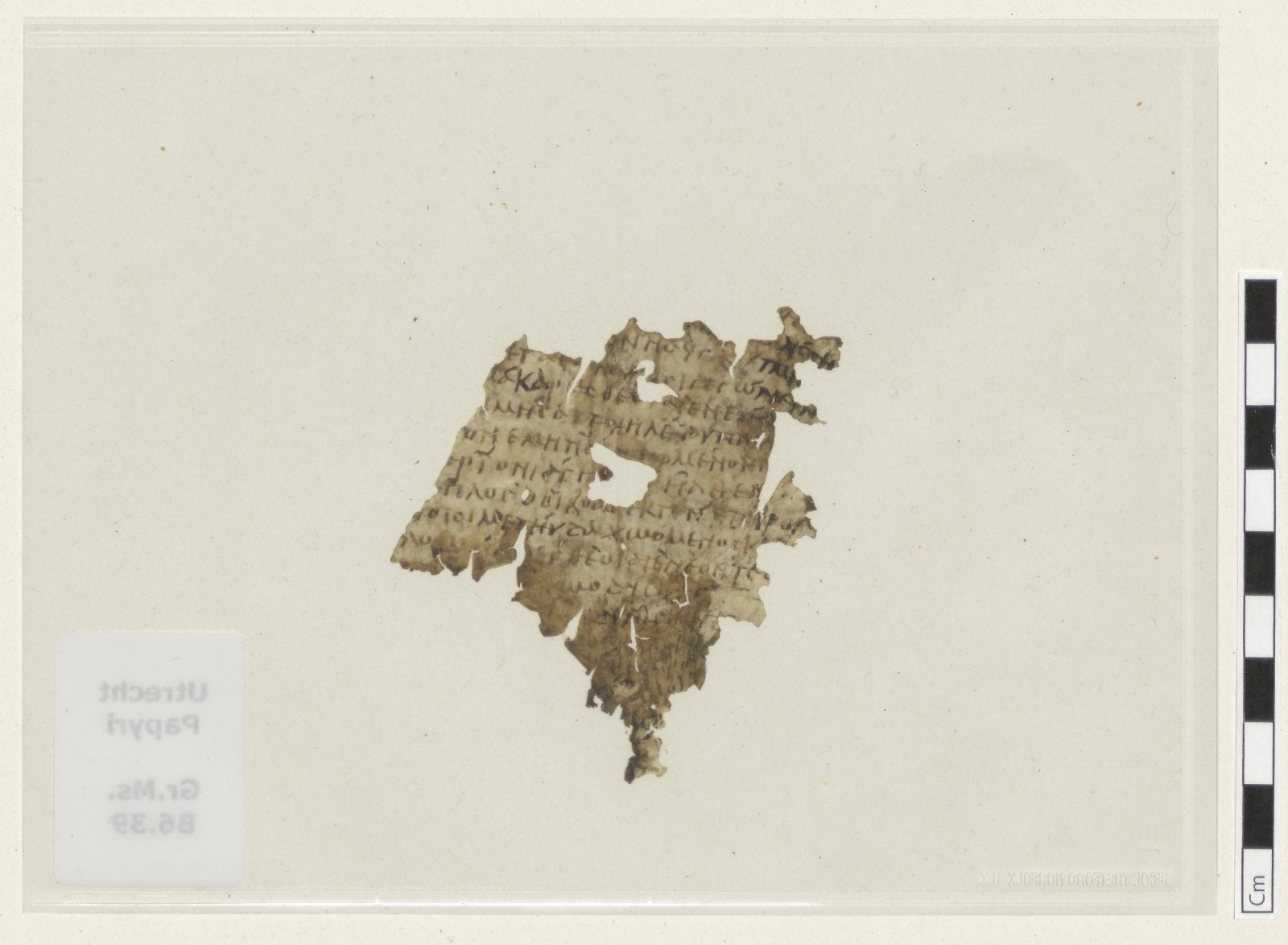
A small parchment containing verses of book 12 of the Odyssey, dating to the 3rd or 4th century, has been found at a Dutch library.
The discovery stands as proof of popularity of Homer’s work in the historical period of Late Antiquity.
The parchment, only about 2.6 by 3 inches in size, was found as part of a collection of early Christian manuscripts from the heirs of the German scholar Carl Schmidt.
Researchers suspect the fragment may have been part of a pocket book carried around 300 AD.
While a majority of the early Christian manuscripts in the Utrecht University library collection were in Coptic, the Egyptian language written using the Greek alphabet, some were also Egyptian and Greek papyri.
One of these texts was an unremarkable, damaged, and discoloured fragment with very small, neat letters.
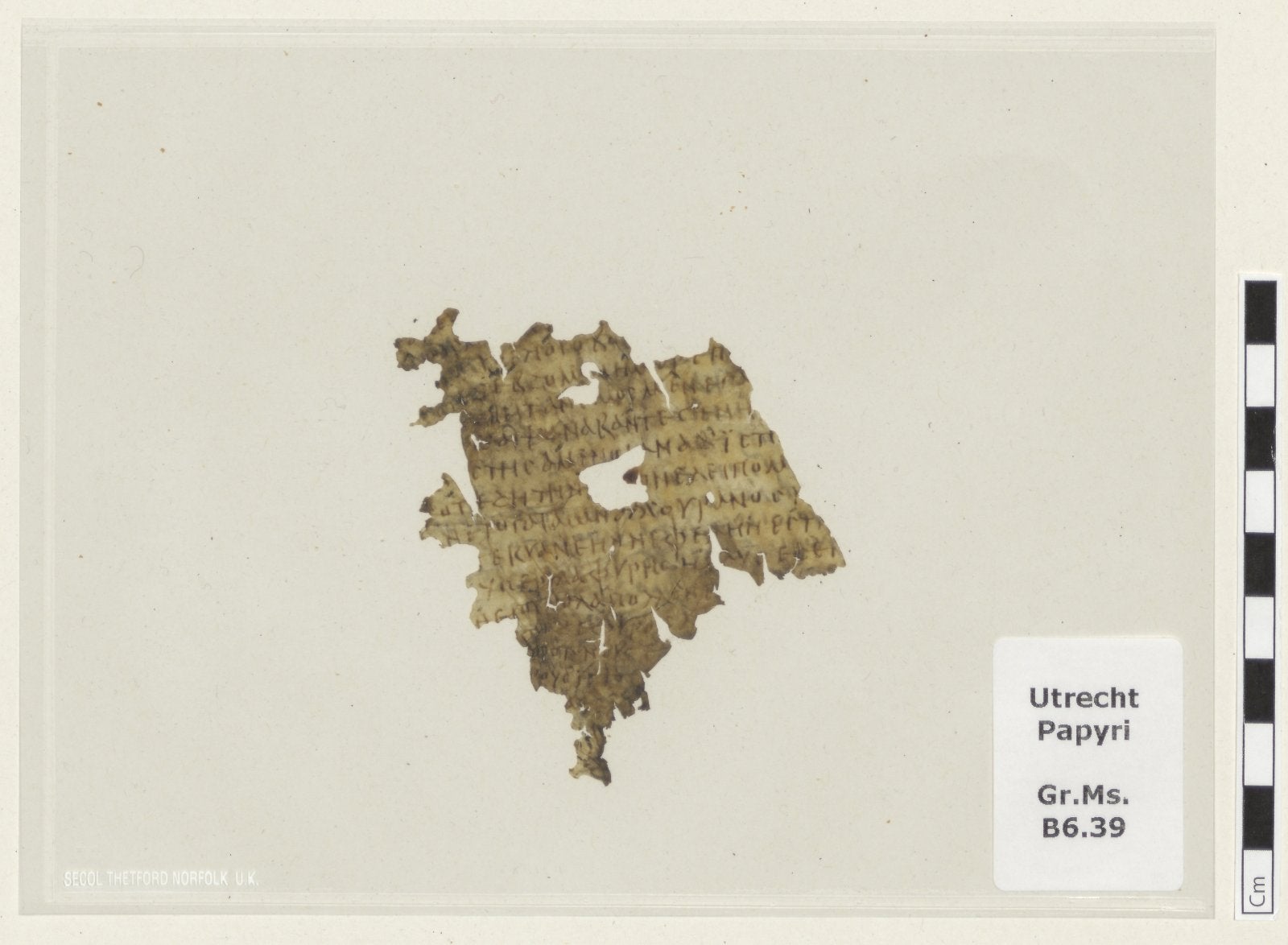
Greek literature expert Mark de Kreij recognised that a few words were typical of the Homeric epics.
Further research revealed these verses were from the final book 12 of the Odyssey, narrating Odysseus’s journey just before his actual return to Ithaca.
From books 9 to 12, Odysseus tells his hosts after his arrival about his journey that brought him from Troy to Scheria, including tales of the Lotus Eaters, Polyphemus the Cyclops, Circe and Calypso, and the loss of his ship.
At the end of the narration, the court of the Phaeacians hears how Odysseus’s companions ate the cattle of Helios, and how the Sun god then asked Zeus for revenge and sent a terrible storm to rob Odysseus of his ship and his crew.
Earlier in the epic, Odysseus is warned by the goddess Circe to avoid the Sun god’s island, Thrinacia.
But Odysseus and his men arrive at the island after surviving the six-headed monster Scylla and a monstrous whirlpool.
Odysseus’s second in command and brother in law, Eurylochus, begs him to let them find food on the island.
A reluctant Odysseus agrees under the condition that his men don’t harm any cattle.
The parchment discovered in the Utrecht University Library describes the exact moment Helios finds out that Odysseus’s companions ate his “immortal” cow, a crucial tipping point in the Odyssey.
It leads to the start of Odysseus’s mission of revenge against the men trying to take charge of his wife Penelope and his palace on Ithaca.
Researchers suspect the fragment, written on both sides, will likely have been part of a pocket edition of the complete Odyssey owned by a fan of Homer living in the Fayum oasis, around 300 AD.