










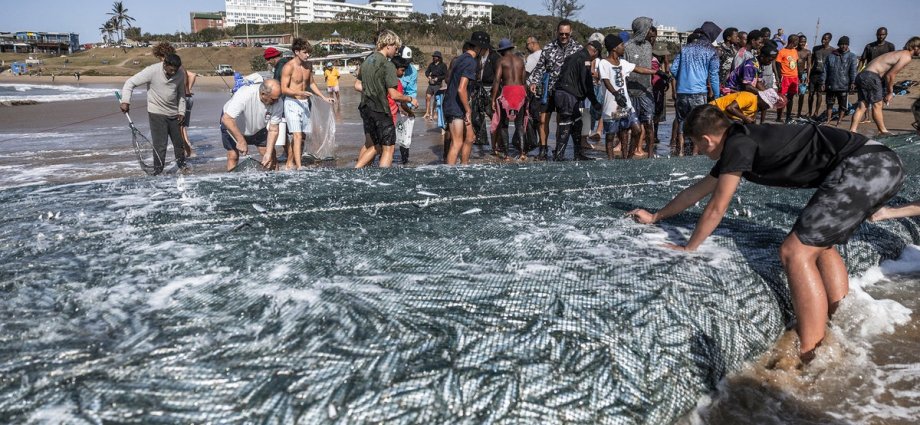
Scientists are investigating the death of masses of sardines along the coast of South Africa.
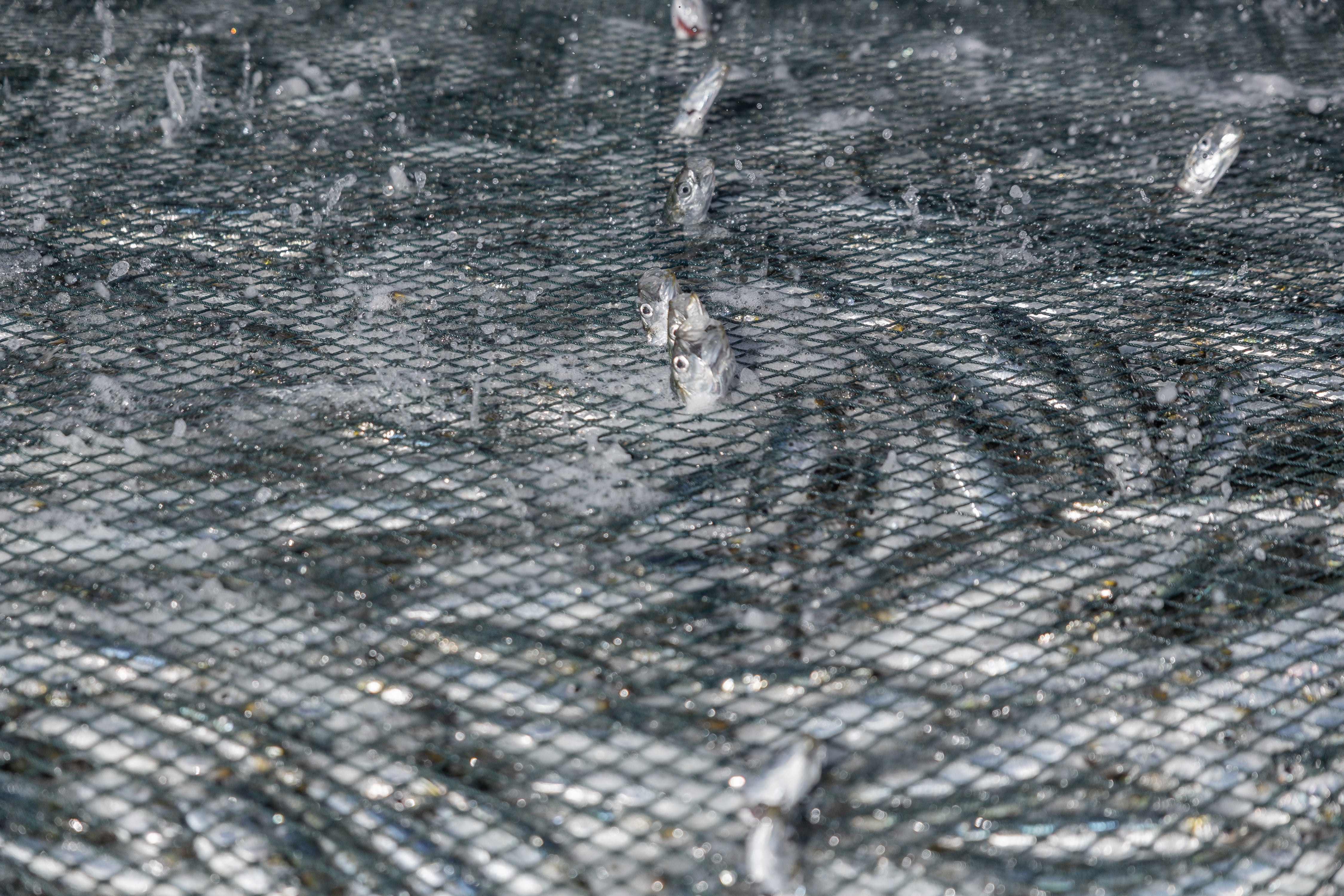
A huge amount of the fish have washed up dead or dying along parts of the country’s west and south coast.
The mass mortality of sardines this month has so far stumped the country’s Department of Forestry, Fisheries and the Environment, though scientists have come to at least one conclusion: it is the first time that the herpes virus – pilchard herpesvirus, or PHV – has been identified in sardines off South Africa.
PHV, which was linked to two mass sardine mortality events in Australia in the 1990s, can cause inflammation and thickening of sardines’ gills, which interferes with their oxygen uptake, according to the South African environment department.
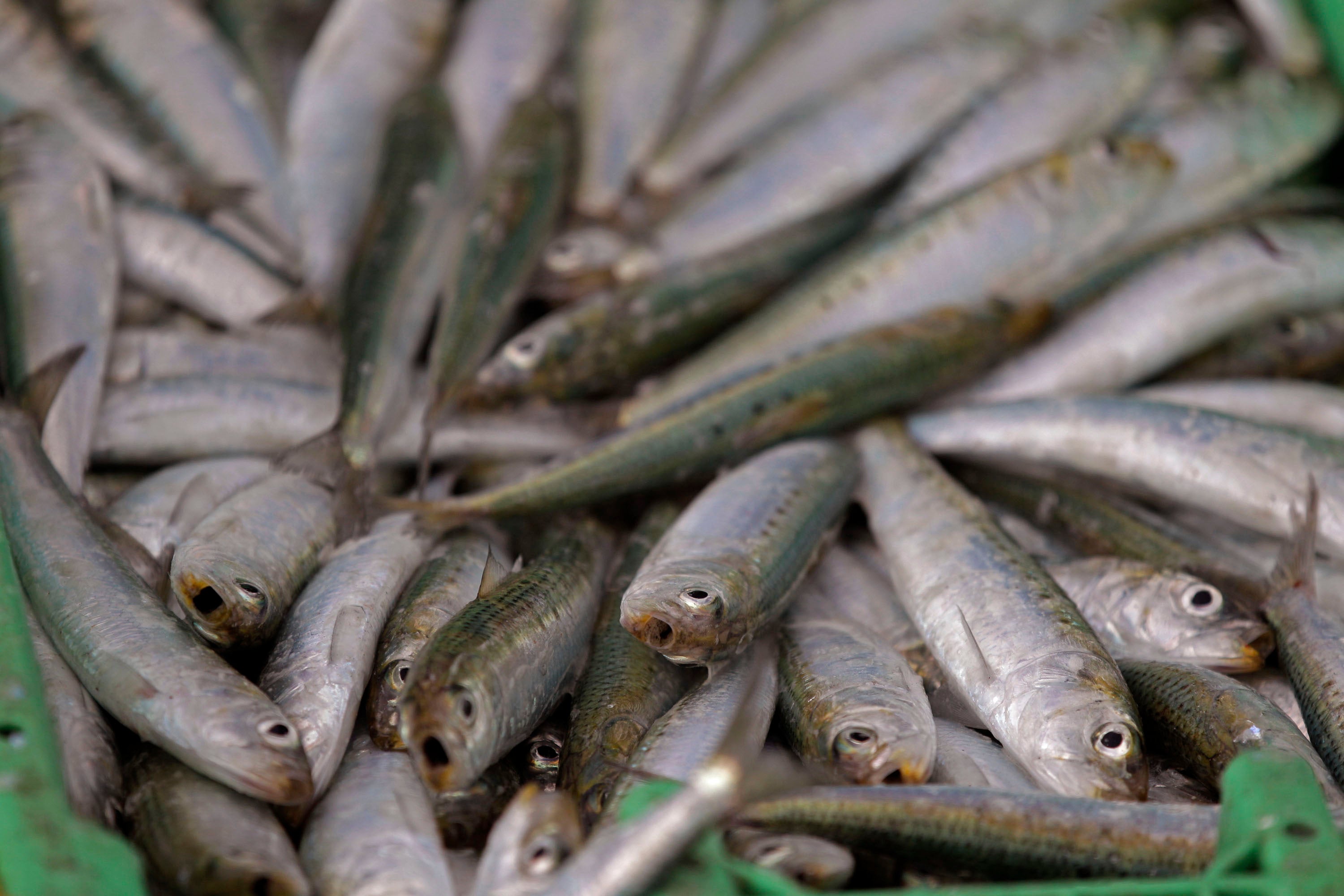
PHV is a fish virus and poses no known risk to human health, the department said, and its detection does not mean that healthy sardines caught commercially or canned sardine products are unsafe to eat.
Dozens of sardines taken from affected areas, some dead and some alive, are being examined by scientists at the South African Institute for Aquatic Biodiversity and a local university. Sardines and pilchards are the same type of fish, with sardines being the younger, smaller ones.
In some initial results, dead fish collected from the mass mortality events showed consistently high levels of PHV, the department said in a statement, while live fish that were examined had varied levels of the virus.
Scientists have also considered whether harmful algae found in the ocean or unusually cold sea temperatures or low oxygen conditions might be responsible for the sardine deaths, but “the evidence increasingly points to PHV as the leading explanation,” the environment department said.
Dalene Vosloo, a biological sciences lecturer at South Africa’s University of KwaZulu-Natal who is not involved in the investigation, said the herpes virus may not tell the whole story and “it remains possible that multiple factors contributed to the mortality event.”
Changes in water quality or temperature can make fish more vulnerable to disease, she said.
While the investigation continues, the sardine deaths have caused other complications.
The Koeberg Nuclear Power Station north of Cape Town on South Africa’s west coast — the only nuclear power station in Africa — had to cut power by 50% at one of its two units after dead sardines clogged a seawater intake, according to the national electricity company that runs the station.