









Five people in Louisiana have died this year from a “flesh-eating” bacteria found in warm coastal waters, prompting health officials to warn beachgoers to take extra precautions.
Louisiana has reported nine cases of Vibrio vulnificus so far in 2026, all of which required hospitalization. Five of those patients died, the Louisiana Department of Health said this week.
All nine infections reported this year were linked to wounds exposed to seawater, and every patient had an underlying health condition, officials said.
The numbers are significantly higher than usual. Over the same period in the previous 10 years, Louisiana averaged about seven cases and one death, according to the LDH.
Most Vibrio vulnificus infections occur after eating raw or undercooked shellfish, especially oysters, according to the Centers for Disease Control and Prevention. Infections can also happen when an open wound comes into contact with coastal water, raw seafood or its juices.
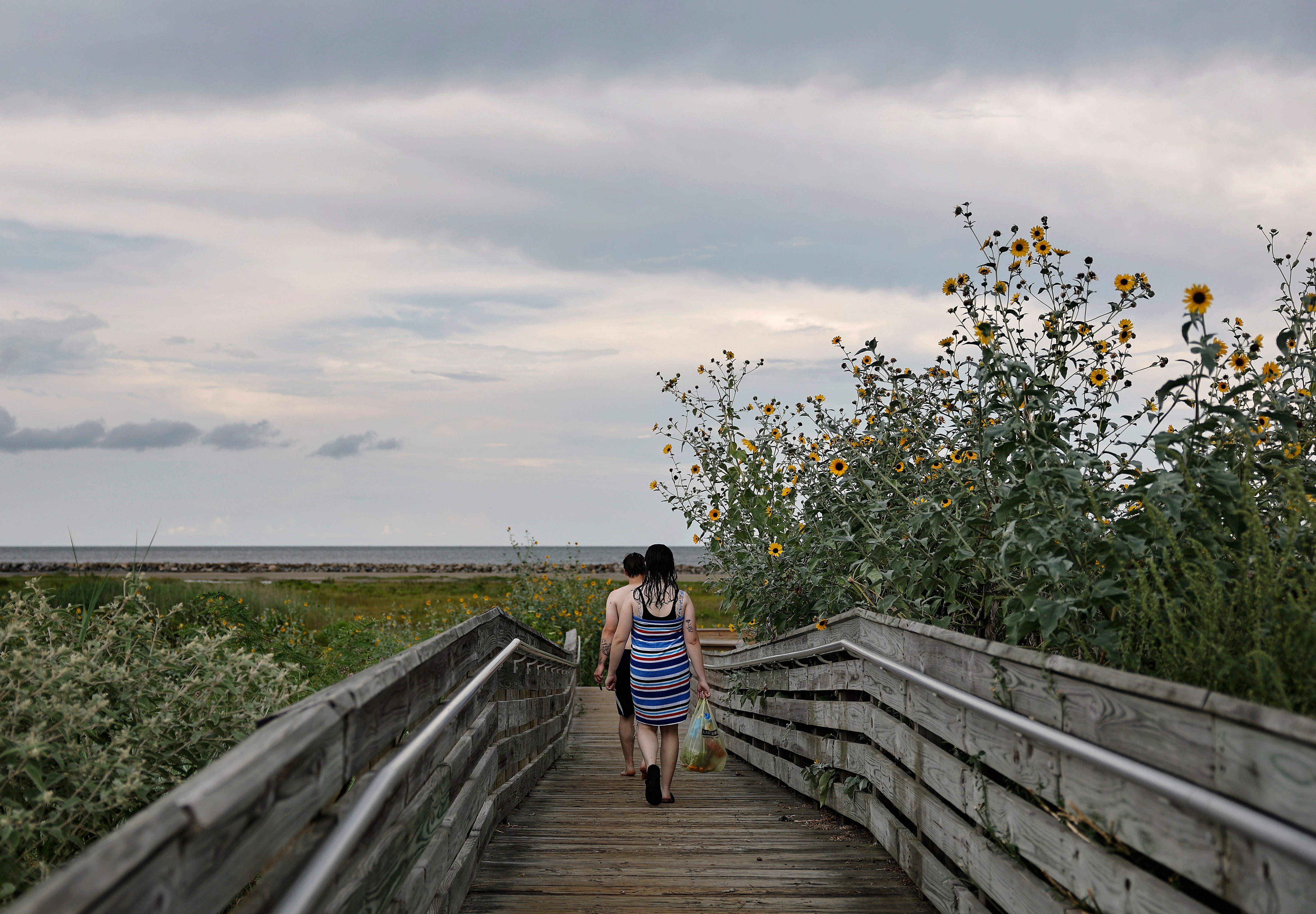
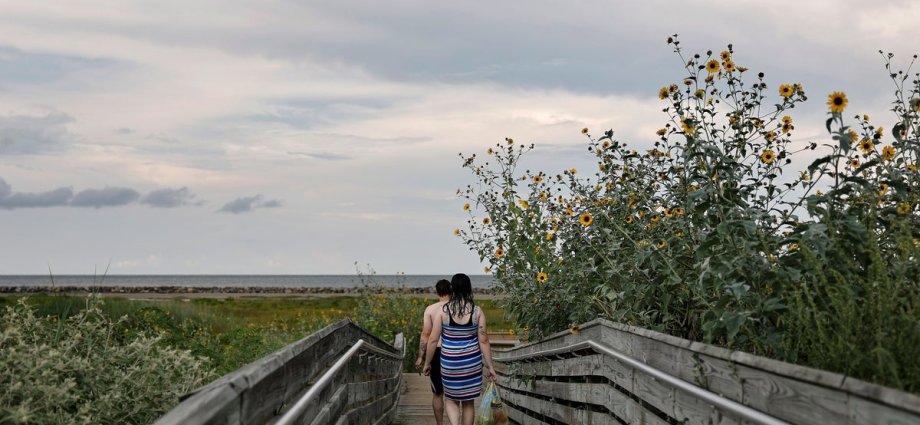
The bacteria occur naturally in coastal waters and become more common during the warmer months, typically from May through October.
Although Vibrio vulnificus infections are rare, they can become extremely serious. The bacteria can cause vibriosis, with symptoms including vomiting, diarrhea and abdominal pain, as well as severe skin infections. In some cases, the infection can enter the bloodstream, causing fever, chills, septic shock and blistering skin lesions.
About one in five people infected with Vibrio vulnificus die, sometimes within just a day or two of becoming sick, according to the CDC. Severe infections can require intensive care, antibiotics and, in some cases, surgery or amputation.
The risk is particularly high for people with certain underlying conditions, including liver disease, cancer, diabetes, HIV or thalassemia, as well as people taking medications that suppress the immune system. Healthy people generally have a lower risk of developing severe illness.
Beachgoers with open wounds should avoid saltwater and brackish water, or cover wounds with a waterproof bandage if exposure is possible, the LHD warned Thursday. People should also avoid eating raw oysters and other raw shellfish and should prevent raw seafood or its juices from contaminating other foods. Anyone handling raw shellfish should wear protective gloves.
People who develop symptoms such as fever, redness, swelling, warmth, pain, discoloration or discharge around a wound after exposure to coastal water should seek medical attention quickly. Early treatment is important because severe Vibrio vulnificus infections can progress rapidly, the CDC says.
The Louisiana outbreak comes as Florida also reports an increase in Vibrio vulnificus cases, with 14 cases and two deaths reported so far this year.