









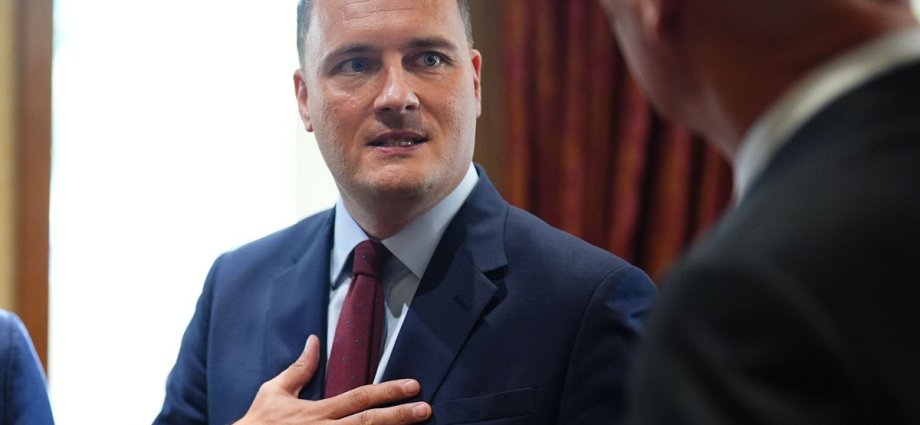
Wes Streeting, the newly appointed Defence Secretary, has revealed he has encountered an “unbelievable volume” of online homophobia since taking up the role, surpassing all previous experiences in his career.
Speaking at the Edinburgh Fringe, Mr Streeting noted that while his appointment three weeks ago was “almost entirely unremarked upon in the media,” the online reaction has been starkly different.
He attributed the abuse to individuals who “cannot cope with the idea” of a gay Defence Secretary.
Despite the negativity, he views the position as a chance to demonstrate “strength” and “challenge this sort of stereotype that clearly persists in dark corners of the internet.”
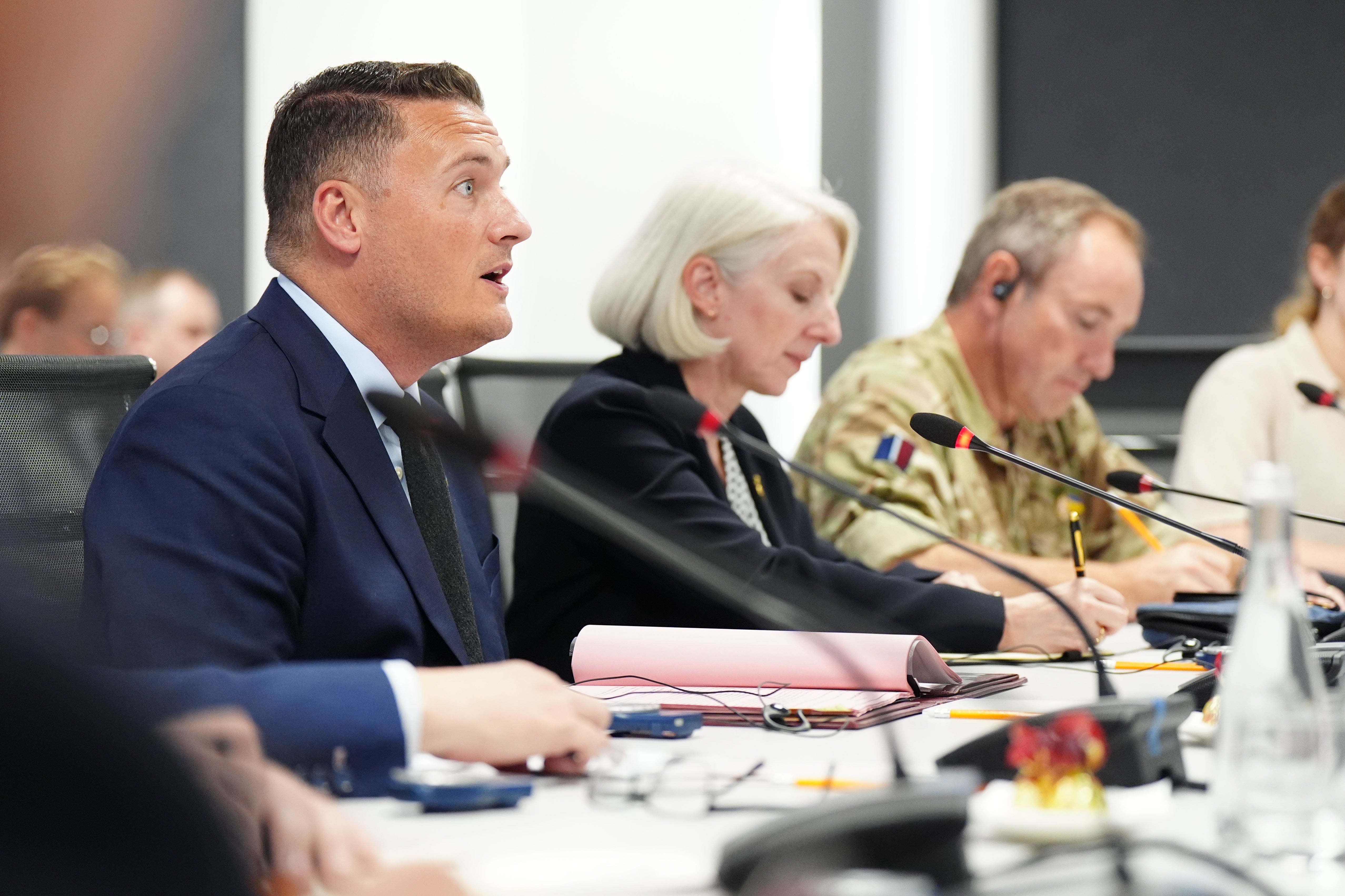
Despite the decriminalisation of homosexuality in 1967, it remained a criminal offence for military personnel until 1994.
Even after that date, homosexuality remained classed as “conduct prejudicial to good order and discipline” until 2000, meaning service personnel could still be dismissed for being gay.
Mr Streeting added: “I am proud of the fact that in my lifetime we’ve gone from gay people not being allowed to serve in the military to a gay Defence Secretary.
“And in my first week, someone in the MoD said to me, you know, as a gay man, I’m really proud that we have our first gay Defence Secretary, and it means a lot to many of us who remember the bad old days.”
Prior to his appointment, Mr Streeting had been considered a potential challenger to Andy Burnham in the contest to succeed Sir Keir Starmer.
But once Sir Keir announced his resignation and Mr Burnham formally launched his bid for No 10, Mr Streeting said he would not stand in the leadership contest.
He told the audience in Edinburgh that he had spoken to Mr Burnham during the Makerfield by-election campaign and decided there were not enough “fundamental differences” between the two men to justify standing.
He said: “I sort of went in with the aim of saying I think we can show a different way of doing politics in terms of how we debate the future of the Labour Party and how we conduct ourselves in a contest.
“And we sat around over a cup of tea, talking about what had gone wrong. And inevitably, when you talk about what’s gone wrong, you give hints to each other about what you think you need to do to make it right.
“And the more we were talking, the more I was thinking, how much do I fundamentally disagree with this guy on anything?”
Mr Streeting said he had told Mr Burnham he would back him on the Friday after the Makerfield by-election, and agreed to make the announcement the following Monday.
He said he and his partner had “gone into hiding over the weekend”, adding: “I sort of spent three days desperate to tell people.
“And the moment I did, I felt like the weight of the world had been lifted off my shoulder.”
Asked whether he thought Mr Burnham would be Prime Minister if he had not resigned as health secretary, Mr Streeting said: “Probably not.”
He added: “What I think my resignation did that week was force choices for others.”