










The simple sugar fructose could be a key molecule that signals surviving tumour cells after chemotherapy to spread cancer further, a new study reveals.
Following chemotherapy, cells not killed by the treatment have been found to send signals to neighbouring tumour cells.
While these cells may not be dividing anymore, they’re still biologically active, say researchers from the Wistar Institute in Philadelphia, US.
Instead, they continue to release molecules that send signals to nearby cells, scientists say.
“Our study is among the first to show that a nutrient – fructose – can act as one of those signals,” said Aidan Cole, an author of the study published in the journal Nature Ageing.

In the study, scientists assessed data from ovarian cancer patients treated with platinum-based chemotherapy, who respond well at first.
But the cancer tends to recur in most patients, spreading through the abdominal cavity.
This subsequent spread after chemotherapy accounts for roughly 90 per cent of ovarian cancer-related deaths, researchers say.
Previous studies have shown that the tumour cells not killed by chemotherapy play a role in the cancer’s recurrence, partly due to their ability to release a complex mix of molecules.
The latest study confirmed that the molecules released by chemotherapy-surviving cells alone could significantly increase the spread of cancer cells.
“As far as we know, this is the first time anyone has shown, in a preclinical model rather than just a dish, that it’s the molecules these cells release that drive the cancer’s spread,” said Dr Cole.
Further analysis revealed that fructose made by the surviving cells was sent as the signal leading to increased cancer spread.

Fructose appeared to suppress cholesterol within neighbouring cells, which is important for them to stick to each other, acting like a glue.
So decreased cholesterol could be allowing surviving cancer cells to escape and spread more easily, researchers suspect.
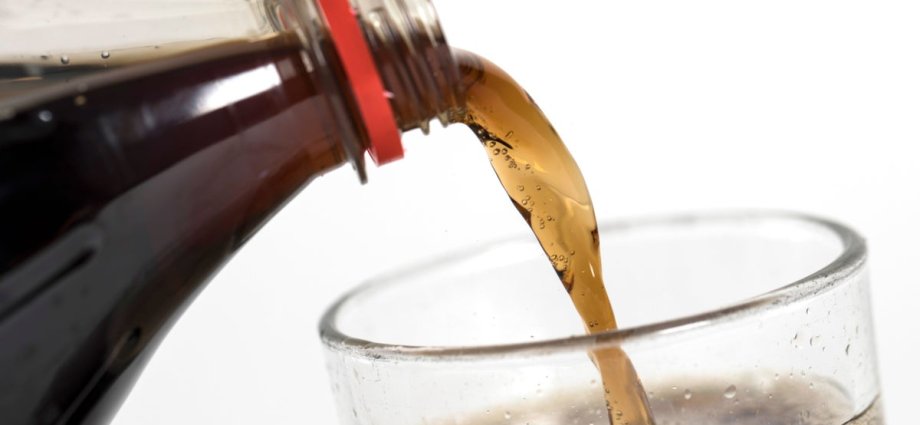
Even without chemotherapy treatment, consuming high levels of fructose, as found in sugary drinks, can also signal cancer cells to spread, scientists warn.
The findings raise the possibility that simple dietary changes could help shape how cancer progresses.
Fructose consumption is particularly high in many countries, including the US, where high-fructose corn syrup accounts for up to a fifth of daily caloric intake in some individuals.
Although the effectiveness of limiting fructose intake hasn’t yet been tested directly in patients, the latest findings raise the possibility that nutrition could influence cancer progression in previously unrecognised ways.
The research also raises questions about potential unintended side effects of the widely prescribed cholesterol-lowering drug statins.
Scientists are currently probing whether statins could be interfering with the effects of chemotherapy.
However, they stress that there isn’t any reason yet for patients already taking statins to stop taking them.
“We haven’t tested this effect in patients yet, but it raises questions about combining cholesterol-lowering drugs with chemotherapy, especially since ovarian cancer is most common in postmenopausal women who are often already on statins,” said Katherine Aird, another author of the study.
Scientists also suspect the findings may not just be limited to ovarian cancer.
They are designing follow-up experiments to test whether their findings also apply to other cancer types.