










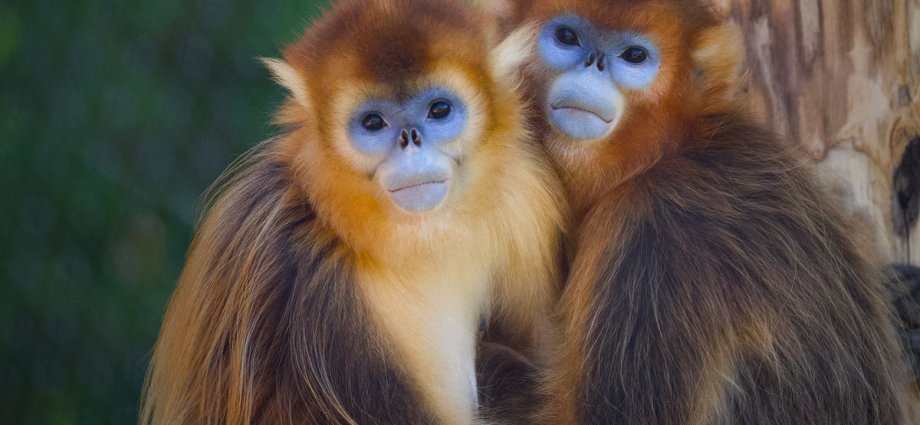
Monkeys are more than just the tricksters of the animal kingdom — they could be the key to its overall survival.
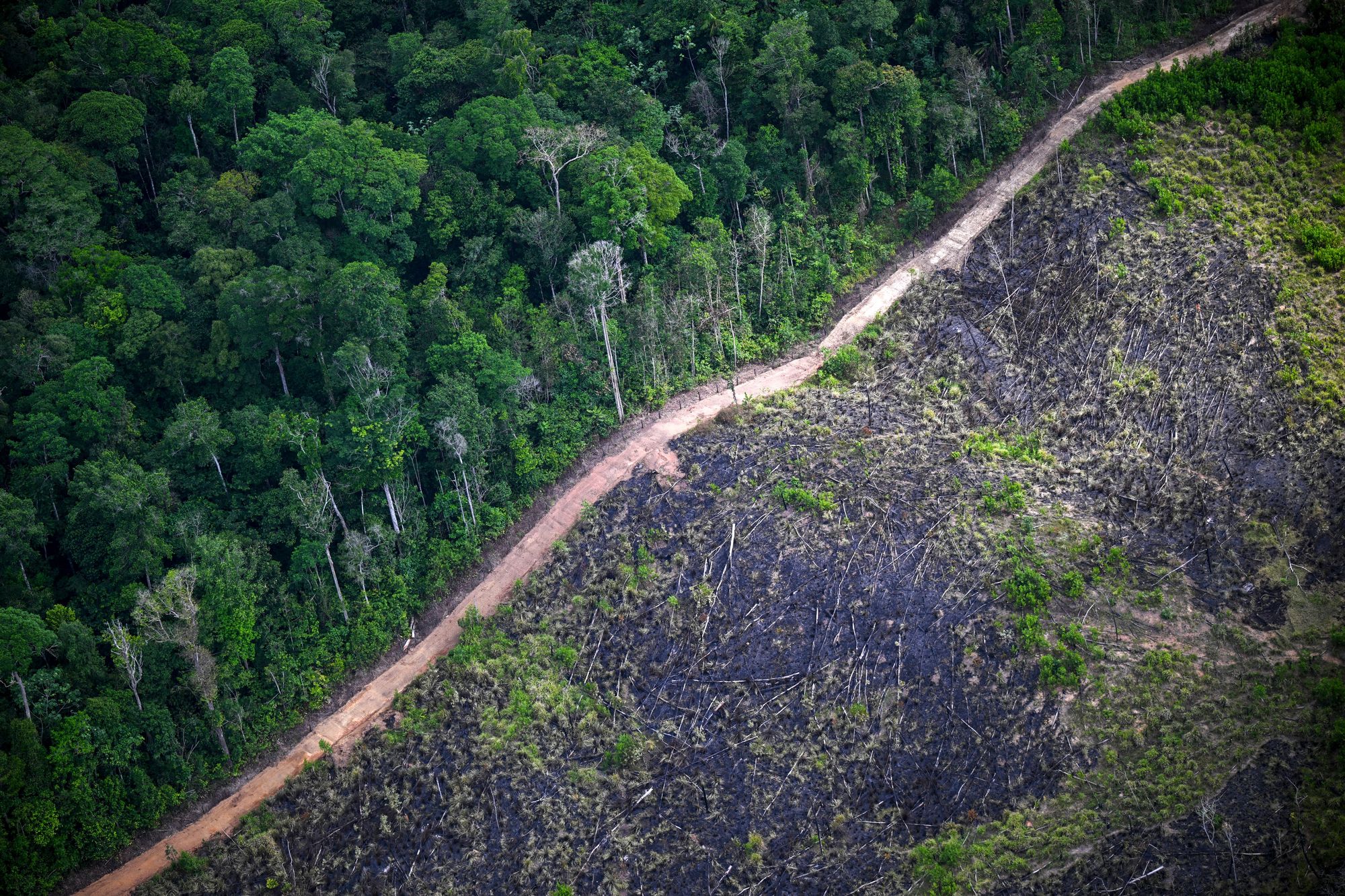
Scientists fear that the world is heading for a sixth mass extinction — an event where three-quarters of species are lost. That has happened five times in the history of the world. But unlike past events, the latest is being driven largely by human impacts such as pollution and climate change.
Researchers are racing to find solutions to stave off such a catastrophic event, which would pose a major threat to the global food supply.
One Illinois researcher believes she may have stumbled upon the answer in research conducted in Southwest China’s mountainous Yunnan Province.
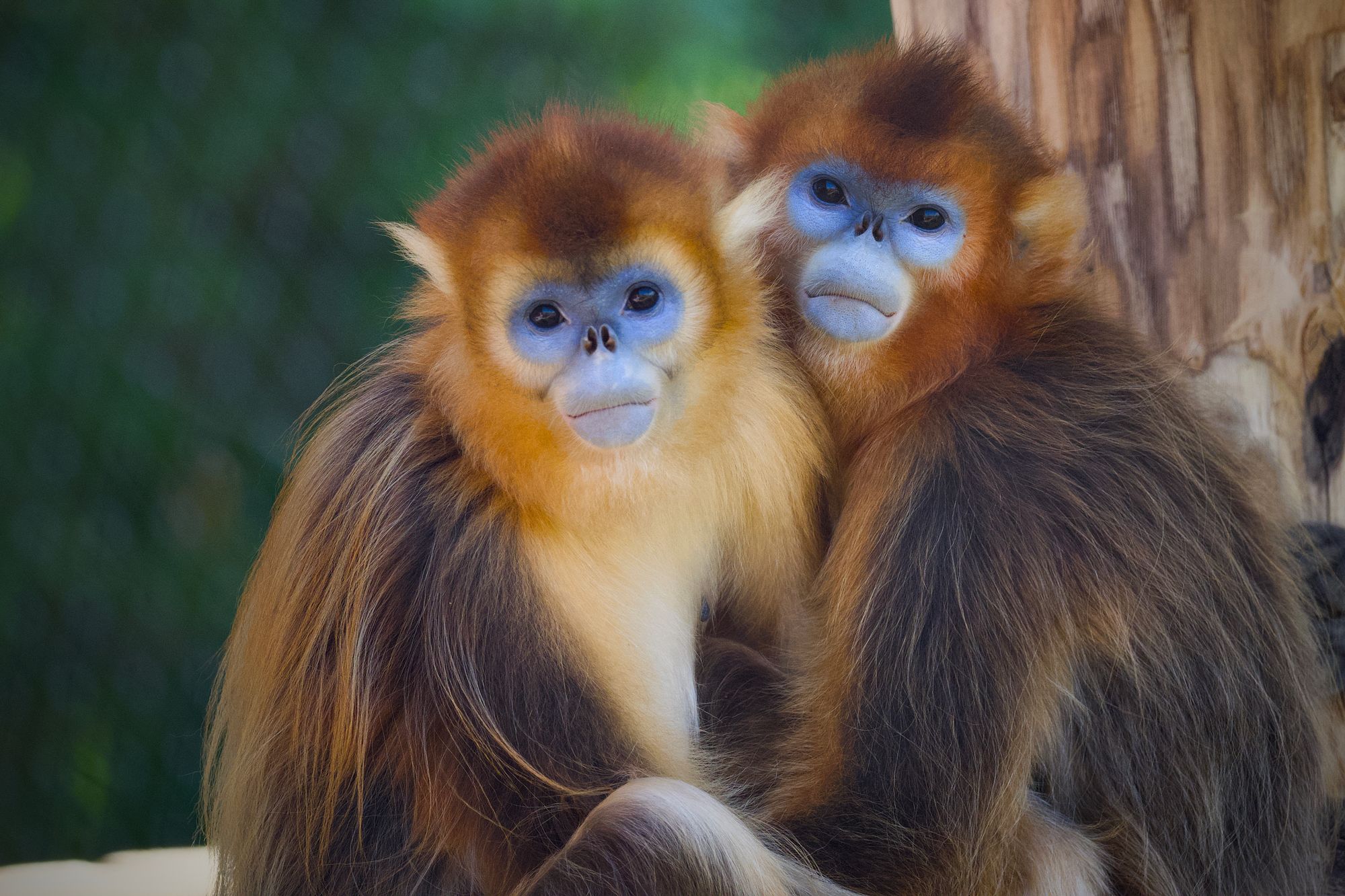
There, conserving the habitat of 16 species of primates — including gibbons, snub-nosed monkeys, langurs, macaques and lorises — could help to protect the other species in their ecosystem and serve as a blueprint for future conservation, research showed.
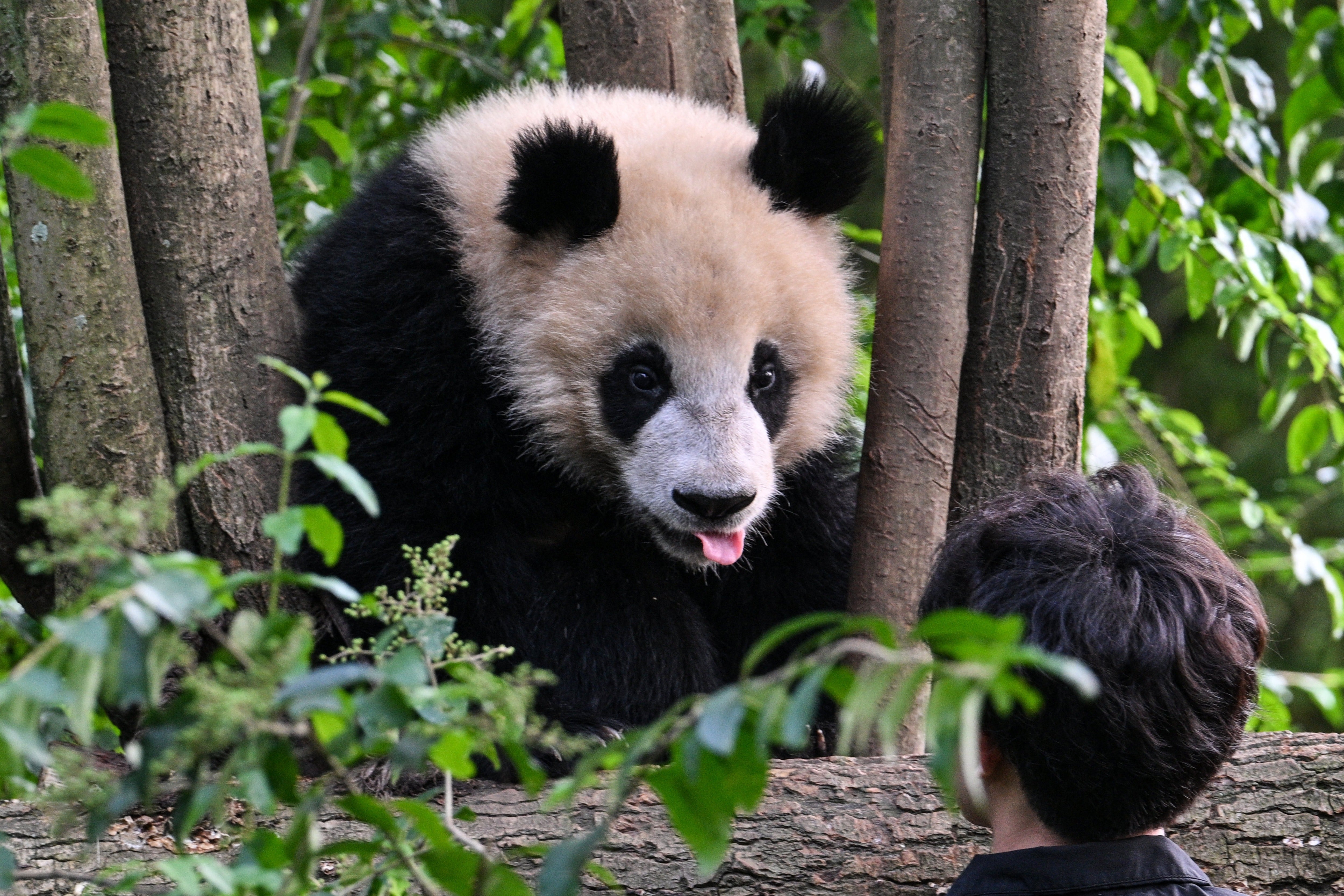
“The panda conservation in China has actually been really successful at conserving hundreds of other endemic species because the pandas just need these large areas of forest to have healthy populations,” Amy McEuen, an associate professor and Program Director for Biology at the University of Illinois Springfield, told The Independent.
“With millions of species to protect, we don’t have time to protect one species at a time. Luckily, there are more efficient ways of preserving biodiversity, including using an umbrella species approach,” she explained in a related release.
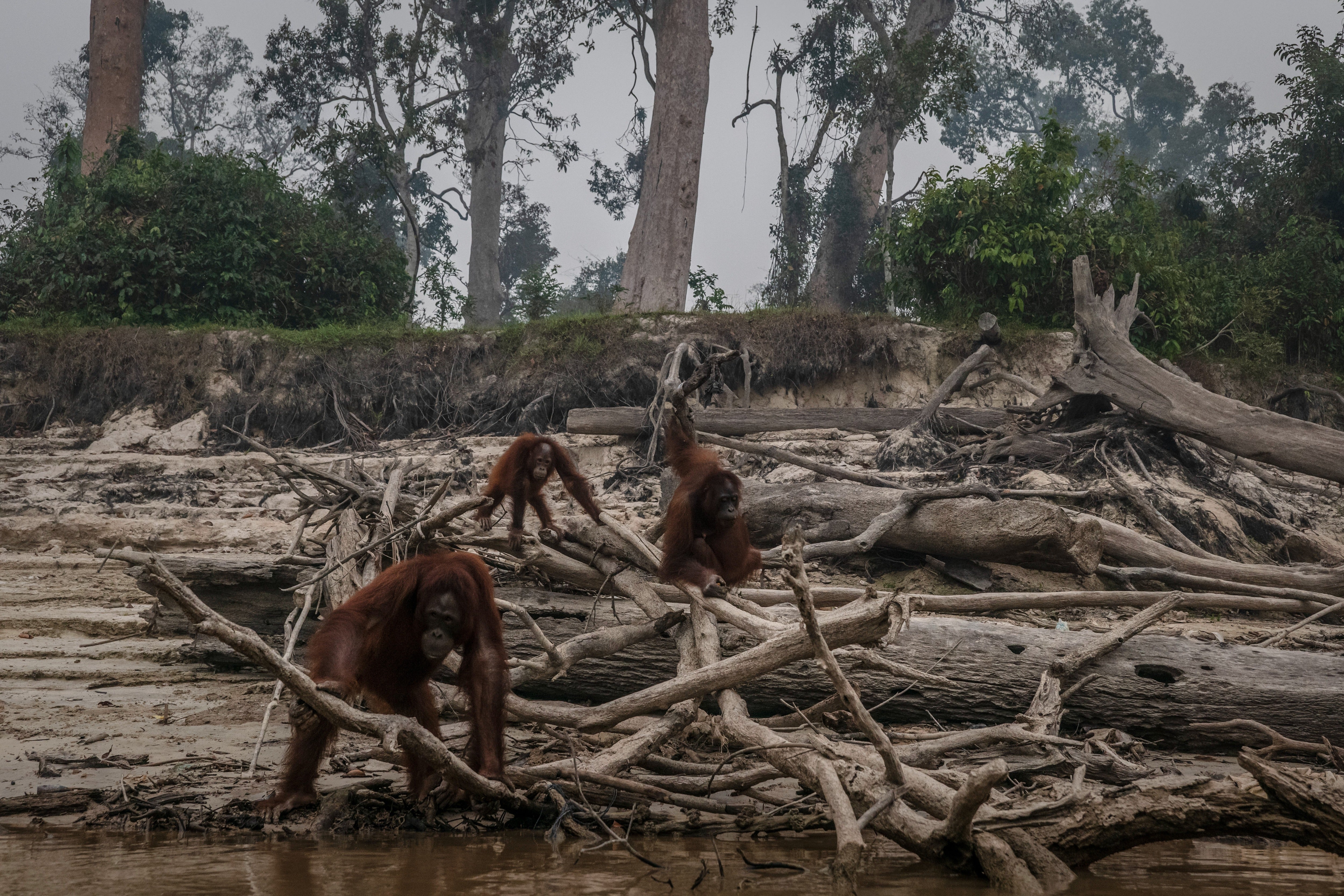
Primates, and other animal groups like big cats and reptiles, are “umbrella species” that range over vast areas.
By protecting these large habitats for these key species, other creatures will also be shielded from human harms, McEuen explains in her new book How to Think Like an Ecologist.
Some of the world’s most adored species are umbrella species, too, such as the orangutan, sea otter and panda bear. That could make arguments for protecting them easier to make, she noted.
Of course, there are other hurdles that could get in the way.
Many animals are migratory, which makes them much harder to protect. Hundreds of birds were killed during their flights south after colliding with the glass windows of a Chicago convention center in 2023.
McEuen called protecting these species a “more complicated question.”
“Although, of course, you can think about where to try to keep spots or stepping stones of habitat along their roots or whatever that can help them,” she noted.
Still, conservationists are working against a ticking clock. Earth is losing groups of species at the same rate as past mass extinctions, which is hundreds or thousands each year.
“The good news is that we haven’t lost them yet,” said McEuen.
And no efforts are too small, she believes. Planting a pollinator garden in a yard or on a rooftop could support insect populations and their predators.
The species themselves are a reason to be hopeful. There’s already evidence that some are adapting to climate change, changing their body size and behavior. Genetic diversity within species can mean some are more resilient than others.
That’s another thing scientists are working to engineer in labs.
“I think using our smarts to help these systems also gives me hope when I think about trying to preserve the amount of diversity that we want to preserve,” McEuen said.