









UK children with a rare and aggressive brain cancer have been locked out of a potentially life-extending drug trial due to Brexit.
Around 30 children in Britain each year are diagnosed with Diffuse Intrinsic Pontine Glioma (DIPG) – an incurable and inoperable tumour that affects the brainstem, which controls vital functions such as breathing, swallowing, and facial expressions.
There is currently no treatment or cure, but a drug trial called Biomede is testing the effectiveness of a drug approved in the United States, combined with radiotherapy.
The trial has been approved in Europe, but the second phase of it in the UK has been delayed because Britain’s withdrawal from the EU means it is not part of the European regulatory framework, brought in in 2022, which monitors clinical trials across the continent.
While there are two other trials for DIPG patients in the UK run by Great Ormond Street Hospital, using personalised immunotherapy, experts say any barrier to vital research in this area is “frustrating”.
Europe: The Way Back
We’re campaigning to rebuild Britain’s future in Europe
Cancer Research said Brexit had led to delays in the launch of clinical trials and increased costs for multiple drugs, and has urged the government to reset the UK’s relationship with Europe post-Brexit to reopen access to potentially life-changing treatments.
Research by the charity last year revealed that dozens of researchers had warned that it has been harder to begin new trials with EU-based scientists and to recruit researchers to UK trials since Brexit.
Laura Williams, Europe and global affairs manager at Cancer Research UK, said nine in 10 children’s cancer doctors surveyed last year relied on international funding to conduct clinical trials, and scientists were “frustrated” with the delays. She warned: “For some people, it may be that that trial is their only treatment option.”
Debi Oliver, whose daughter, Emily, died aged 21 from DIPG in 2019, said she was “devastated” to hear about delays to a trial for UK patients.

Ms Oliver said if Emily had had access to a trial like Biomede, “it would have given us hope”.
She said: “I’m angry and quite upset that, considering what we went through and it’s still very raw, even six, seven years later… I’m very upset to hear that things have not progressed more, especially as the trial is there.”
Professor Chris Jones, head of the Division of Cancer Biology at The Institute of Cancer Research, said DIGP tumours were unique due to their biological makeup, so treatments for adult cancers cannot be used.
He said: “So currently, the survival rate is essentially zero. Almost all children will pass within two or three years of diagnosis, often much, much quicker. And so really, we’re looking for just anything which might impact that survival rate and show a difference.”
For exclusive analysis on how Britain can rebuild its relationship with Europe, sign up for our weekly Europe: The Way Back newsletter here.
The international Biomede trial began in 2017, recruiting patients from France, the UK, Denmark, Sweden, Australia, Spain, and the Netherlands.
The second phase of the trial, approved by European regulators, is testing two drugs already approved for market, one of which was approved in the US for patients when they relapse, and a second one, which is used in other cancers.
But it hasn’t been approved in the UK because, under the UK framework, it is being counted as a new trial, which needs new approval.
Prof Jones said: “Not having access to it in the UK is very problematic, and over the last few years, it’s driven many families to go overseas to get access to this drug.”
Professor Amos Burke, director of the Cancer Research UK Clinical Trials Unit, said the “lack of harmonisation between the UK and the EU” on clinical trials since Brexit was an issue.
He said since the first part of the trial ended in the UK, the options for children with this rare cancer are nonexistent, so it was vital to have regulatory alignment between the UK and the EU to prevent treatment gaps.
He added: “There is an appeal being launched at the moment, but this sort of asynchrony between the UK and the EU is problematic.”
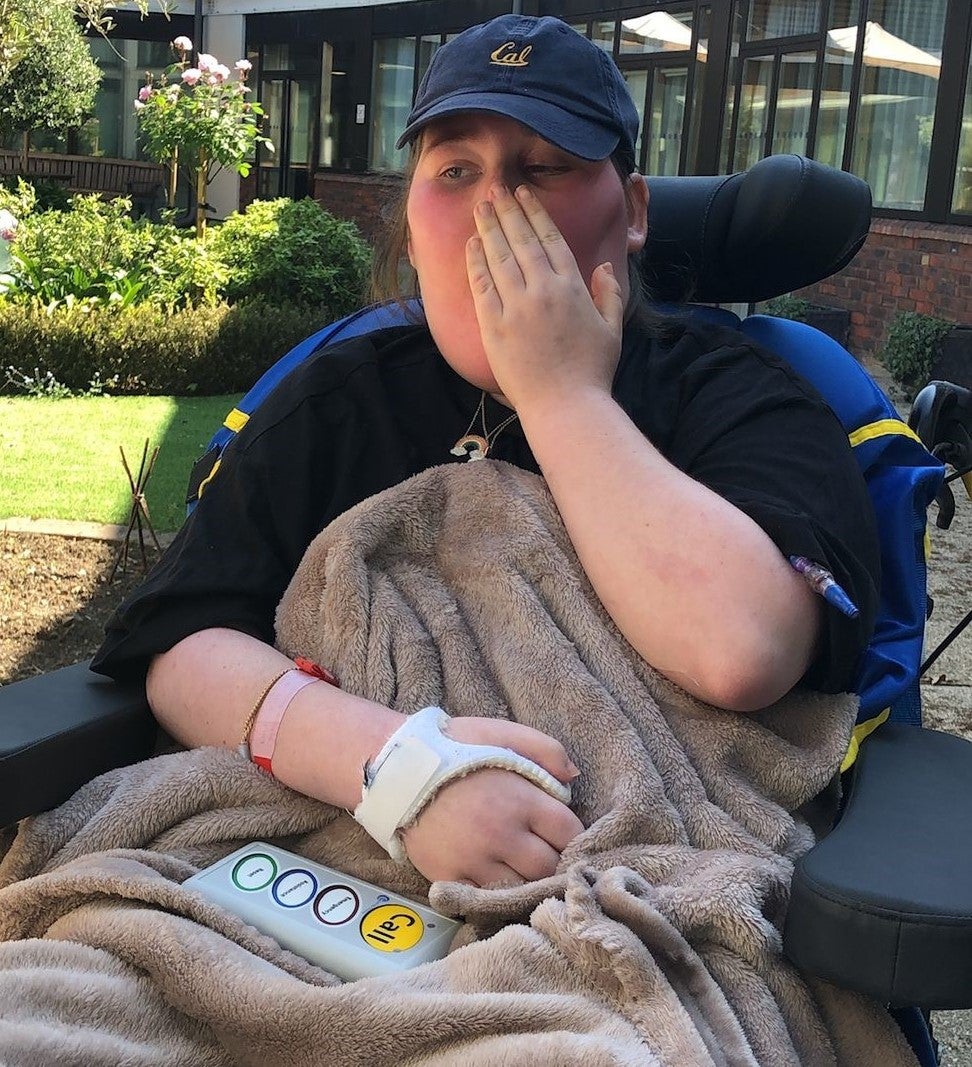
In January 2018, Emily Oliver, who was studying to be a nurse and was otherwise well, came from her home university feeling dizzy.
Weeks later, she began to get panic attacks and returned from a holiday looking “like she’d had a stroke”, her mother said.
Doctors initially thought she had multiple sclerosis (MS); however, Ms Oliver, herself a doctor, asked a colleague to look at Emily’s brain scan, and she received the tragic news that she might have DIPG.
She said: “[Then] They had told us at a [hospital] meeting that she would have three months to live… and that was just horrendous, when a consultant tells you that your daughter, who had the world in front of her for a nursing career, finally found her vocation in life, was not going to survive.”
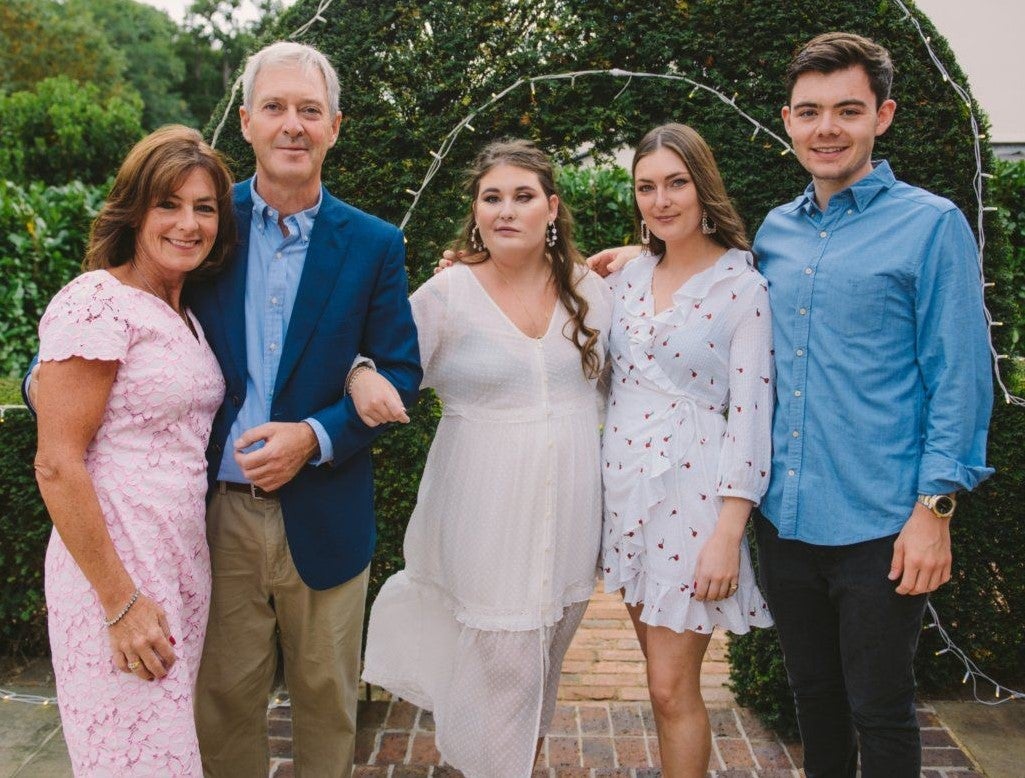
Determined not to give up, she and her parents sought out other options and were referred to a trial based in Germany, run by Tübingen University, which was looking to create a bespoke vaccine to target the tumour.
They travelled to Germany monthly until February 2019, when Emily’s health began to decline. She died in July 2019 after being admitted to a hospice in England.
Dr Karen Noble, director of Research, Policy and Innovation at Brain Tumour Research, which supported the family, told The Independent: “We are calling on government bodies to engage with industry to build a more attractive financial and regulatory environment that encourages investment in brain tumour drug development, and facilitates UK involvement in pan-European trials.”
A Department of Health and Social Care spokesperson said: “This government has been clear about our ambition to turbo-charge medical research and introduced rules to speed up access to new treatments and cement the UK as a world-class destination for clinical trials.
“Our clinical trials regulations remain in line with the EU, where appropriate, to avoid unnecessary issues that cause delays.”
A spokesperson for the Medicines and Healthcare Products Regulatory Agency said it could not comment on specific clinical trials but said new regulations introduced from April 2026 will make it easier and faster to run trials in the UK and changes include a “stronger alignment with international standards”.
Join the community
Sign up for our free Europe: The Way Back newsletter here or by using the form below:
What you will get by joining:
- A dedicated community: We are fully committed to the long haul, consistently campaigning to secure the absolute best deal for Britain within Europe.
- Free weekly newsletter: Every Wednesday, political editor David Maddox and political correspondent Millie Cooke will be in your inbox with exclusive reporting, analysis and insight on the biggest developments shaping relations between Britain and Europe. Each week, they will explain what’s happened, what it means, and what the key political figures, experts and decision-makers are saying about it.
- Essential continental updates: Stay informed with regular briefings on the biggest developments in European politics and the specific policies that could pave the way for closer EU relations.
There are even more benefits if you subscribe for just £1 for seven months:
- Exclusive content: Get the highest quality analysis, opinion and debate from political experts across the UK and Europe by subscribing to our premium service.
- The Brexit Effect: You’ll get exclusive access to extracts from Anthony Seldon’s major new book, The Brexit Effect, offering an unparalleled analysis of the 10 years since the referendum.
- Inform the debate: Receive exclusive invitations to live events, webinars, expert Q&As and podcast recordings.