










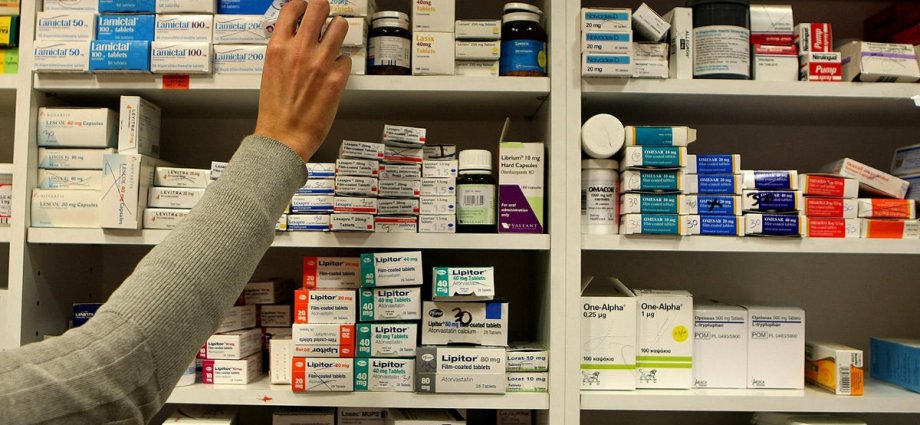
The morning-after pill should be sold in corner shops and petrol stations like paracetamol, doctors have suggested, after a poll highlighted public concerns about accessing the contraceptive.
Almost half of the UK population (43 per cent) say it would be difficult to access emergency contraception on a Sunday, while almost two-thirds (65 per cent) believe it would be difficult to obtain after 10pm.
Results also suggest only 7 per cent of people believe it would be difficult to access emergency contraception during the daytime on a weekday, with perceived barriers rising dramatically outside typical opening hours.
The YouGov survey of 2,115 people from across the UK was released by the College of Sexual and Reproductive Healthcare. The college is now calling for oral emergency contraception to be reclassified under the general sales list, allowing it to be sold directly from shops, much like antiseptic cream, paracetamol and antihistamine tablets.
Dr Zara Haider, president of the College of Sexual and Reproductive Healthcare, said: “Emergency contraception is a safe and effective but time-sensitive method of contraception. Yet these findings show that a significant number of people are worried they won’t be able to get it when they need it.”
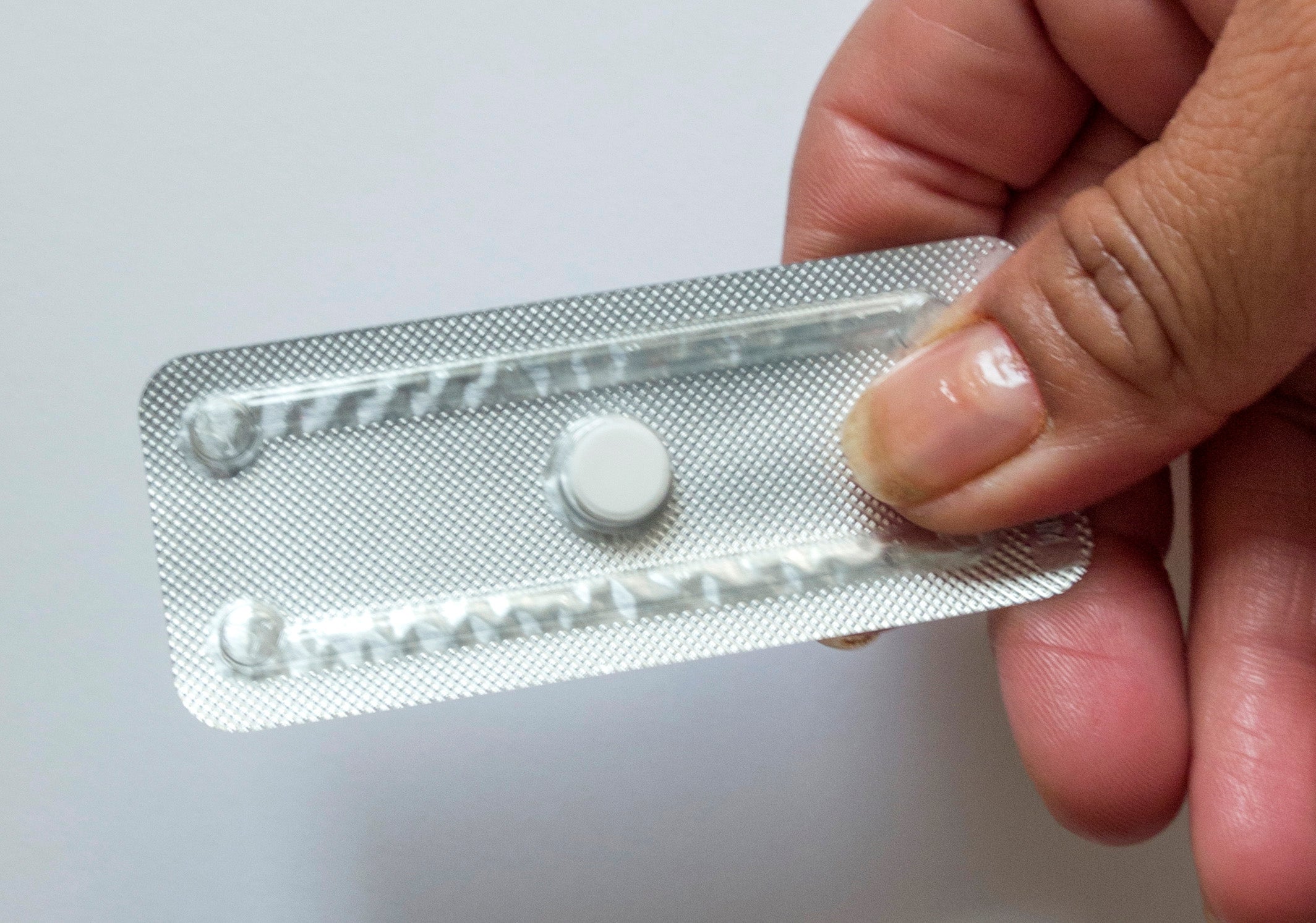
The emergency contraceptive pill, sometimes called the morning-after pill, is available in high street pharmacies, GP surgeries and most sexual health clinics, according to the NHS. In most cases, patients need to undergo a consultation before it can be supplied.
But it needs to be taken within three to five days after sex, because the sooner it is taken, the more likely it is to work – making accessibility vital.
Dr Haider added: “The decision to prevent an unintended pregnancy is a basic human right and should not depend on the day of the week, the time of day, your postcode or whether the local pharmacy happens to be open.
“Women shouldn’t have to navigate unnecessary hurdles to get emergency contraception, particularly when time matters. Making it available alongside condoms and pregnancy tests in shops and other retailers is a simple fix, one that would give women greater control over their reproductive health and, crucially, has the backing of the majority of the public.”
The survey found strong public support to make the morning-after pill readily available in corner shops, with 61 per cent backing wider retail availability and only 15 per cent opposing the change. Among 18- to 34-year-olds, this support rises to 75 per cent.
The morning-after pill was made free in October last year, although previously it could cost up to £30 in pharmacies. The move was praised for widening access and convenience for patients across the country.
Now, the College of Sexual and Reproductive Healthcare argues that allowing emergency contraception to be purchased directly from retail outlets would better reflect modern healthcare needs and help ensure people can obtain treatment promptly following unprotected sex or contraceptive failure.