










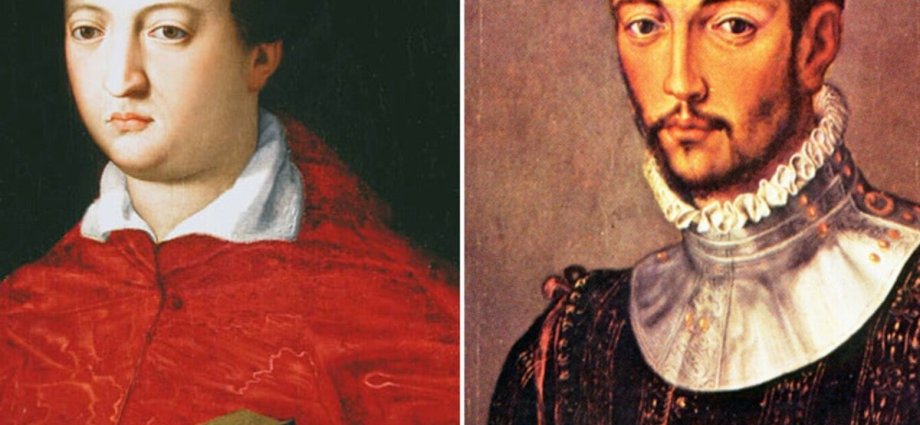
A new genetic analysis of the skeletal remains of Italy’s 16th century Medici brothers has provided new insights into their cause of death, and puts to bed centuries-old rumours about a poisoning scandal in one of Renaissance Europe’s most influential families.
The latest findings show both brothers were infected and succumbed to the parasite that causes malaria.
The study sheds light on the spread and evolution of malaria in central Italy during the Renaissance and beyond, say researchers.
Published in the journal iScience, the study offers conclusive proof against persistent speculation that Francesco de Medici was poisoned to death, scientists say.
“Our study is a great example of how we can use advanced ancient DNA laboratory methods to map the history of this deadly pathogen,” said Serena Tucci, assistant professor of anthropology in Yale.
“It also generated data that can inform current and future research on malaria, which remains a deadly disease that afflicts millions of people worldwide,” said Adalgisa Caccone, another author of the study from Yale.
Malaria was endemic to Central Italy up until the 20th century, when eradication campaigns eliminated the disease from the region.
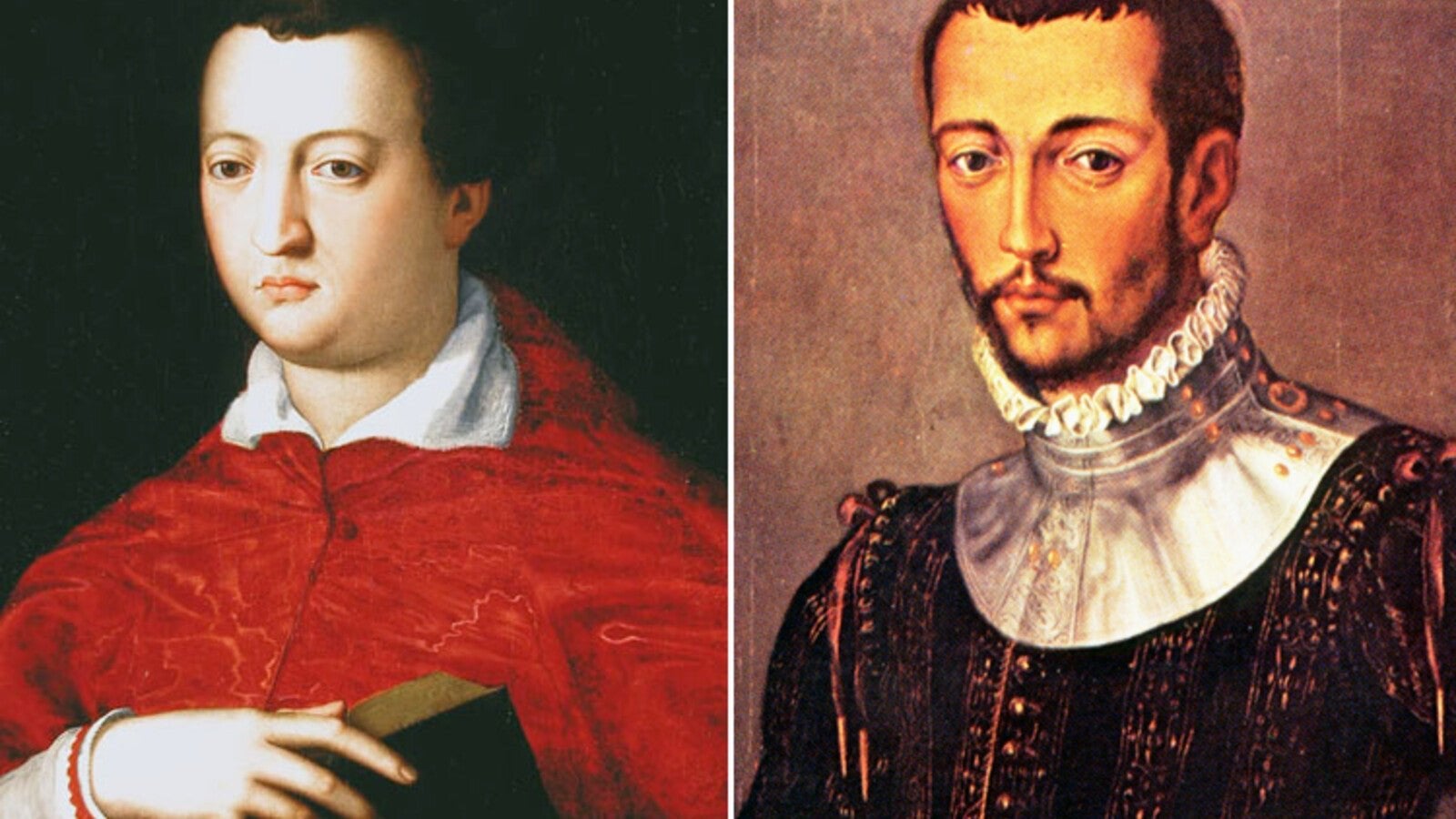
Historical accounts note that Cardinal Giovanni de Medici died at age 19 after his family, including his mother, Eleonora of Toledo, and younger brother, Garzia, contracted malaria during a 1562 trip to the Tuscan coast, where the marshes were known to be a breeding ground for the disease.
Then in 1587, Francesco de Medici and his wife, Bianca Cappello, visited the Medici family’s villa in Poggio, located amid swampy rice fields where mosquitoes thrived.
The couple died on consecutive days after suffering intermittent fevers consistent with malaria.
However, rumours spread after their quick deaths that Francesco’s brother and rival, Cardinal Ferdinando de Medici, had them poisoned them.
“At the time, both were diagnosed with symptoms, such as intermittent fevers, consistent with malaria,” said study co-author Valentina Giuffra.
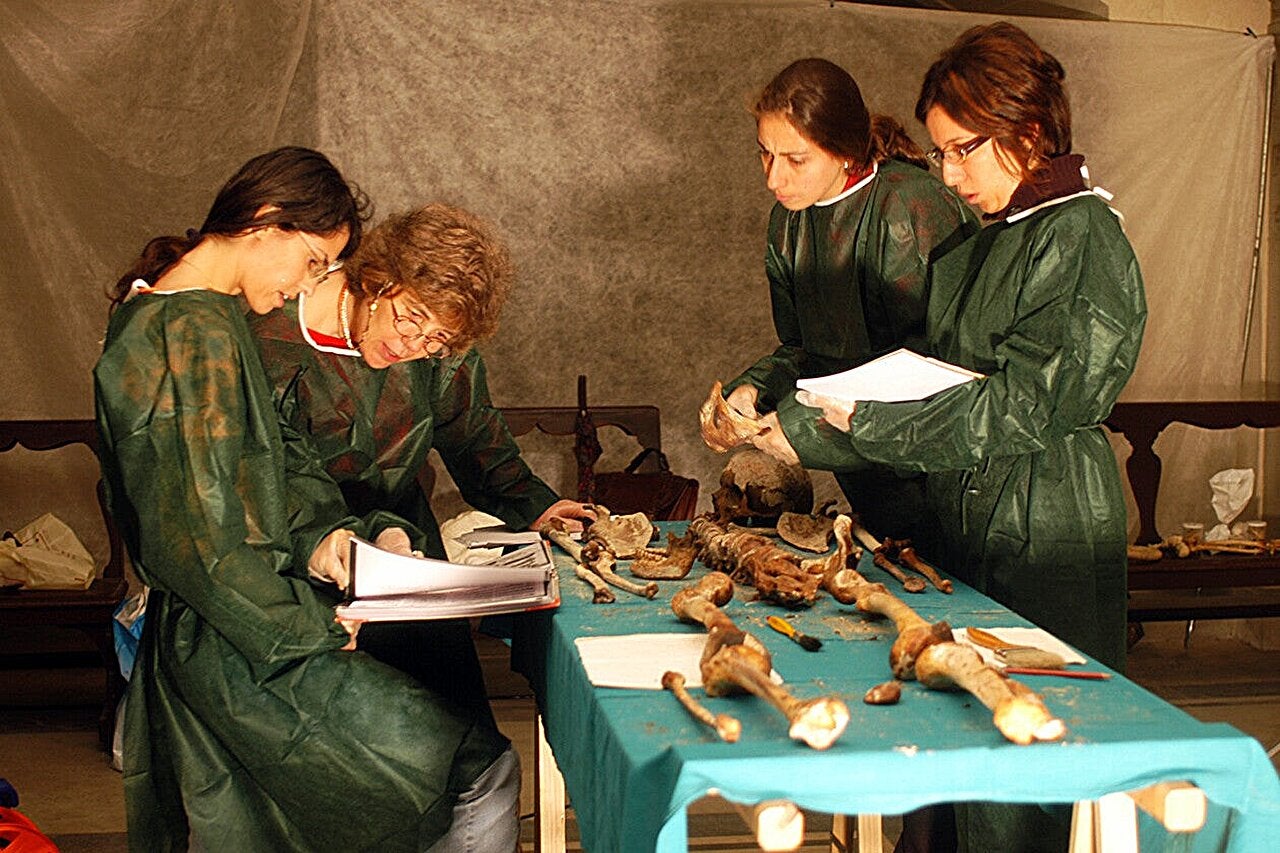
In the study, scientists collected DNA from four rib samples of the Medici brothers, entombed in the Medici Chapels, mausoleums within the Basilica di San Lorenzo in Florence, Italy.
Researchers found a novel strain of Plasmodium falciparum, which causes the deadliest form of human malaria, in the bones of Giovanni de Medici, a scion of the dynastic family that dominated politics and banking in Tuscany.
They found molecular traces of P. falciparum and a second species, P. malariae, in the remains of his brother Francesco de Medici, who also succumbed to malaria.
“This genetic analysis confirms the historical accounts as well as prior research. Now we can say with scientific certainty that malaria, not poisoning, killed Grand Duke Francesco de Medici,” Dr Giuffra said.
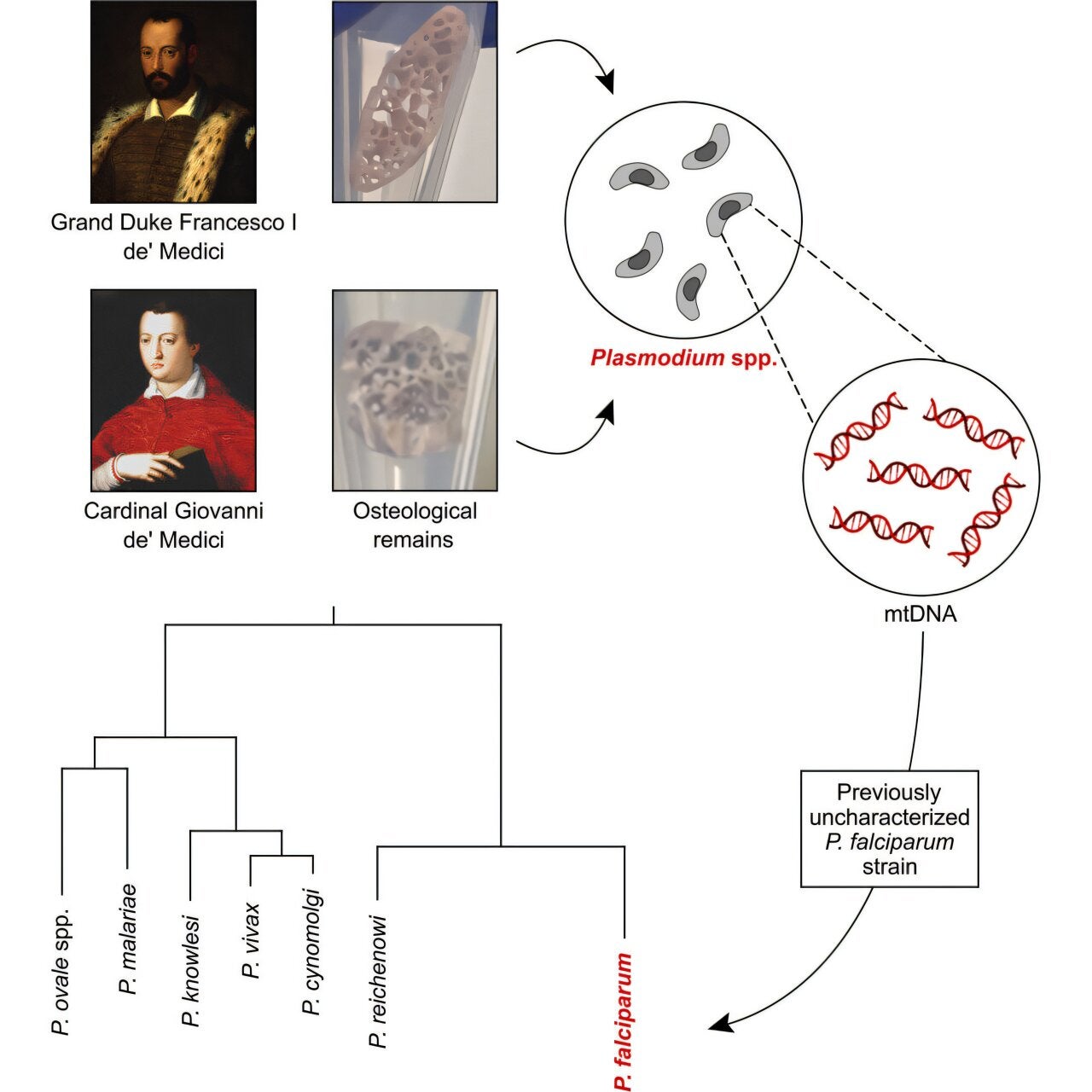
The finding that Francesco de Medici had traces of two malarial parasite species hints both of them were likely spreading in Europe at the time.
But researchers say further genetic evidence is needed to prove this.
“The study of ancient DNA offers us an opportunity not only to diagnose malaria in the remains of individuals from the past, but it also offers us a window for understanding the evolution of malaria species, which can help scientists better understand how the pathogen adapts over time,” said study co-author Alexander Ochoa.