









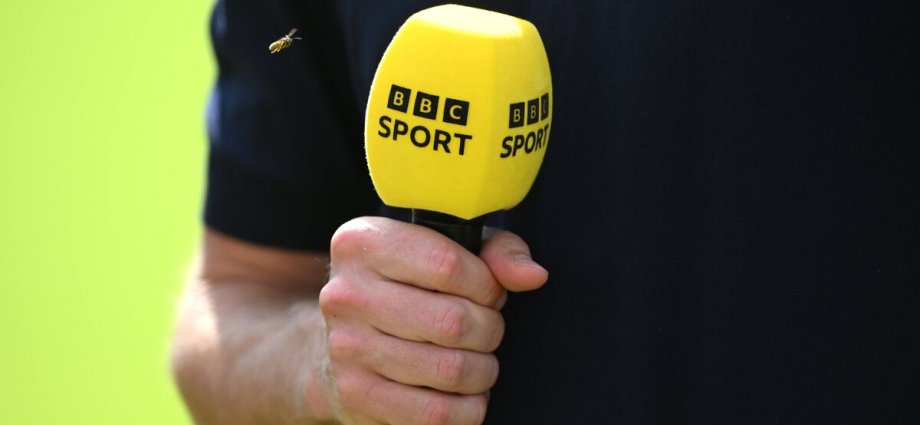
For the first time since the 1950s, the BBC will have no broadcasting rights to the Commonwealth Games, as the prestigious sporting event returns to Scotland this summer. Live TV and digital media rights to the Games, last staged in Birmingham in 2022, had already been secured by TNT Sports after it outbid its competitors.
It had been expected that the BBC would still receive a sublicensed free-to-air highlights package, including daily round-ups and evening highlights. However, the BBC will not broadcast the 2026 event at all, with Channel 5 stepping in to provide free public access via highlights coverage.
It represents the first occasion in 72 years that the corporation will have no involvement in airing the Games.
The BBC has suffered further rights losses elsewhere this year. In March, it was confirmed that the corporation would not broadcast any of The Boat Race, with Times Radio acquiring the radio rights after Channel 4 secured the television rights. It also lost the live broadcast rights to England’s men’s Six Nations fixtures.
Approximately 600 hours of live Commonwealth Games coverage will be available on TNT Sports this summer. The competition will span 11 days and be held in Glasgow.
The Games were originally intended to be hosted by Victoria in Australia. However, the Victorian government withdrew its hosting plans owing to soaring cost projections, with Glasgow — which last hosted in 2014 — stepping in as a replacement.
Channel 5 will broadcast the free-to-air highlights. Chief content officer Ben Frow said: “The Commonwealth Games is one of the standout events in a fantastic summer of sport this year.
“Here at 5 we’re delighted to be working with TNT Sports to bring the biggest sports stars to a free-to-air audience in the United Kingdom.”
This represents the latest in a succession of disappointments for the BBC. Priorities appear to have shifted within the broadcaster, which has been grappling with budget reductions.
Previously, The Open, live Formula 1 coverage and live Test Match cricket featured prominently on the BBC’s platforms. However, director of sport Alex Kay-Jelski conceded earlier this year that broadcasting live sport is no longer essential to maintain their position.
Speaking at the Financial Times Business of Football conference, he said: “My challenge to us at the BBC all the time is let’s just make sure we are in the conversation of the things that matter.
“For example, we have audio rights to Formula One but not video rights. But we still have reporting and live pages and digital video that draw in millions and millions and millions of people.
“You can still be relevant, you can still matter if you don’t show the sport. No one out there can show it all. So, you just have to make sure you’re in the conversation.”