









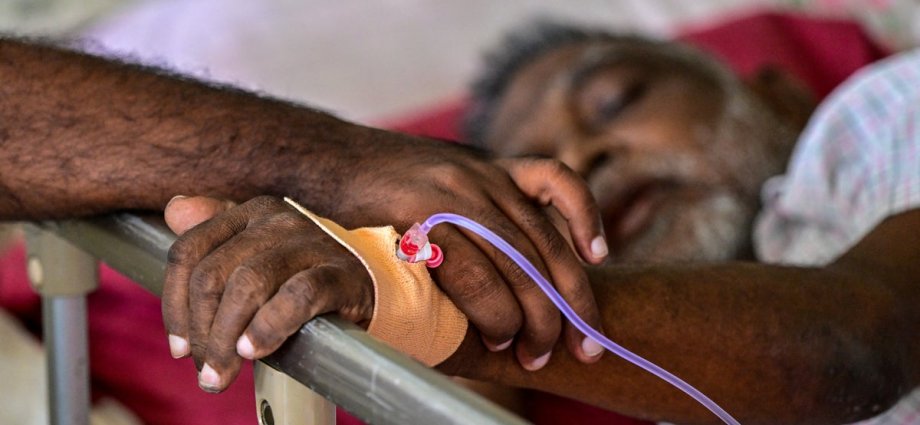
Sri Lanka has deployed military drones in its war against mosquitoes to tackle the country’s worst dengue outbreak in almost a decade, which has already claimed 56 lives.
The island nation has reported more than 77,000 infections since January, prompting Anura Kumara Dissanayake’s government to appoint a monitoring unit under the military.
The National Dengue Control Unit has identified 162 divisions as high-risk areas for transmission.
While infections have been reported across the country, the national capital Colombo has thus far accounted for the highest number.
Health officials have blamed a more virulent strain of the dengue virus for the latest outbreak. The health ministry has now sought assistance from the armed forces to avoid a repeat of the country’s worst dengue outbreak in 2017, when more than 186,000 people were infected and at least 450 succumbed.
The ministry has deployed air force drones to find stagnant rooftop pools formed by monsoon rains and pressed police officers to inspect homes, building sites and schools in a campaign to stamp out breeding sites of mosquitos.
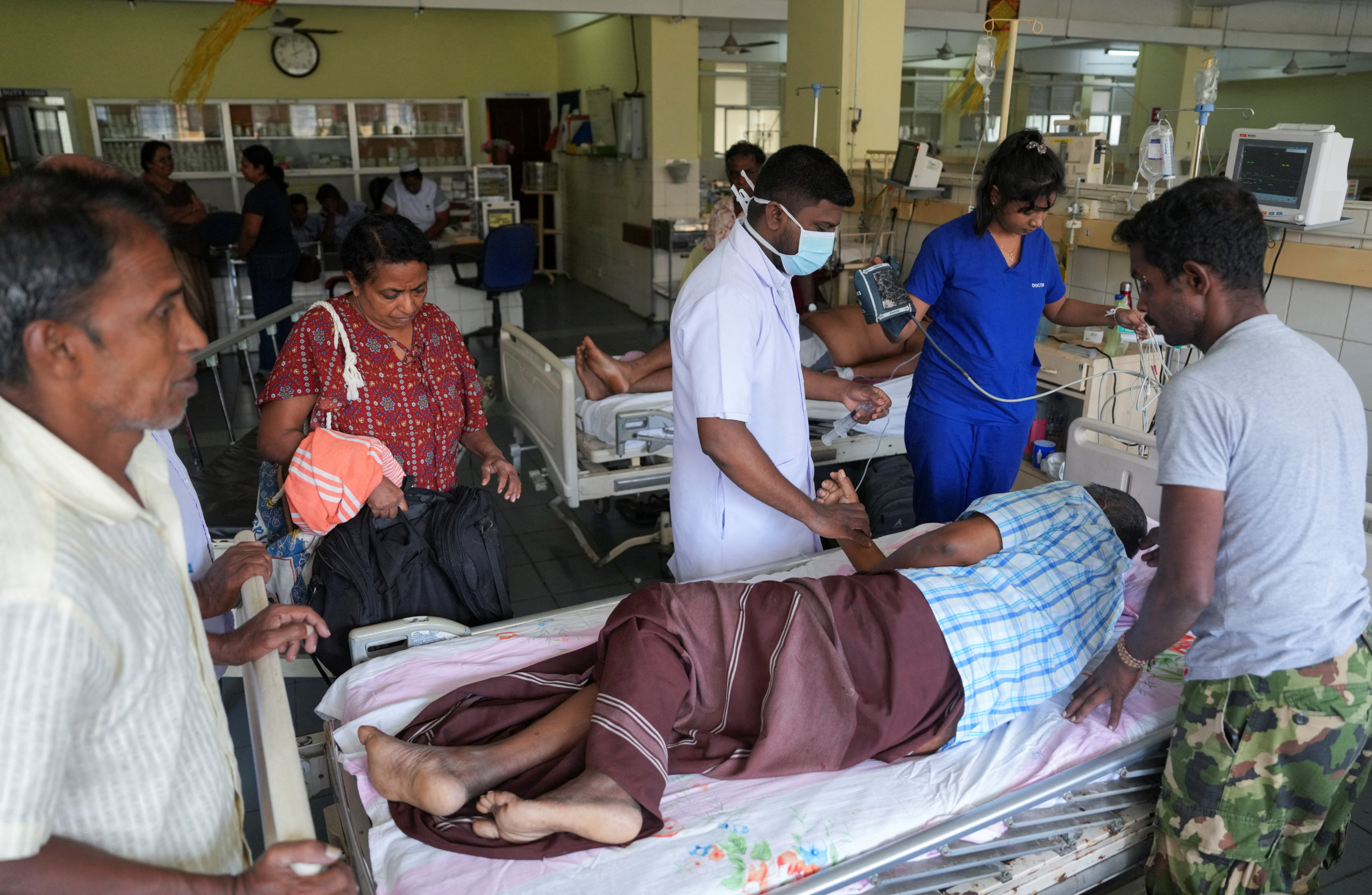
Hospitals added beds, set up special wards and extended duty hours for doctors and nurses to tackle an influx of more than 18,000 cases in the first two weeks of July, health authorities said.
Public health authorities attributed the increase in dengue infections to Cyclone Ditwah, which tore through the island nation in December, damaging critical infrastructure and health facilities. “A lot of debris was in our environment, so we noticed a lot of mosquito breeding places, and our entomological indices were high from that time,” said Prashila Samaraweera, consultant community physician at the National Dengue Control Unit.
The outbreak has strained resources in a nation of 22 million that has struggled to recover from years of economic decline. The recovery from the economic crisis, which sparked mass street protests that toppled the previous government in 2022, has not been helped by the energy shortage caused by the US-Israeli war on Iran.
Public health workers were “stretched to their limit”, Kapila Kannangara, acting director general of the dengue unit, said. “The number of patients is high, and the severity of the cases is high.”
Nearly 75 per cent of the cases were linked to the more virulent DENV-2 strain of the virus, the official said, adding that it had a tendency to spread rapidly.
Health officials expect infections to ease off as monsoon rains weaken in August, but warn that they may climb back from November as rainfall returns to the island nation.
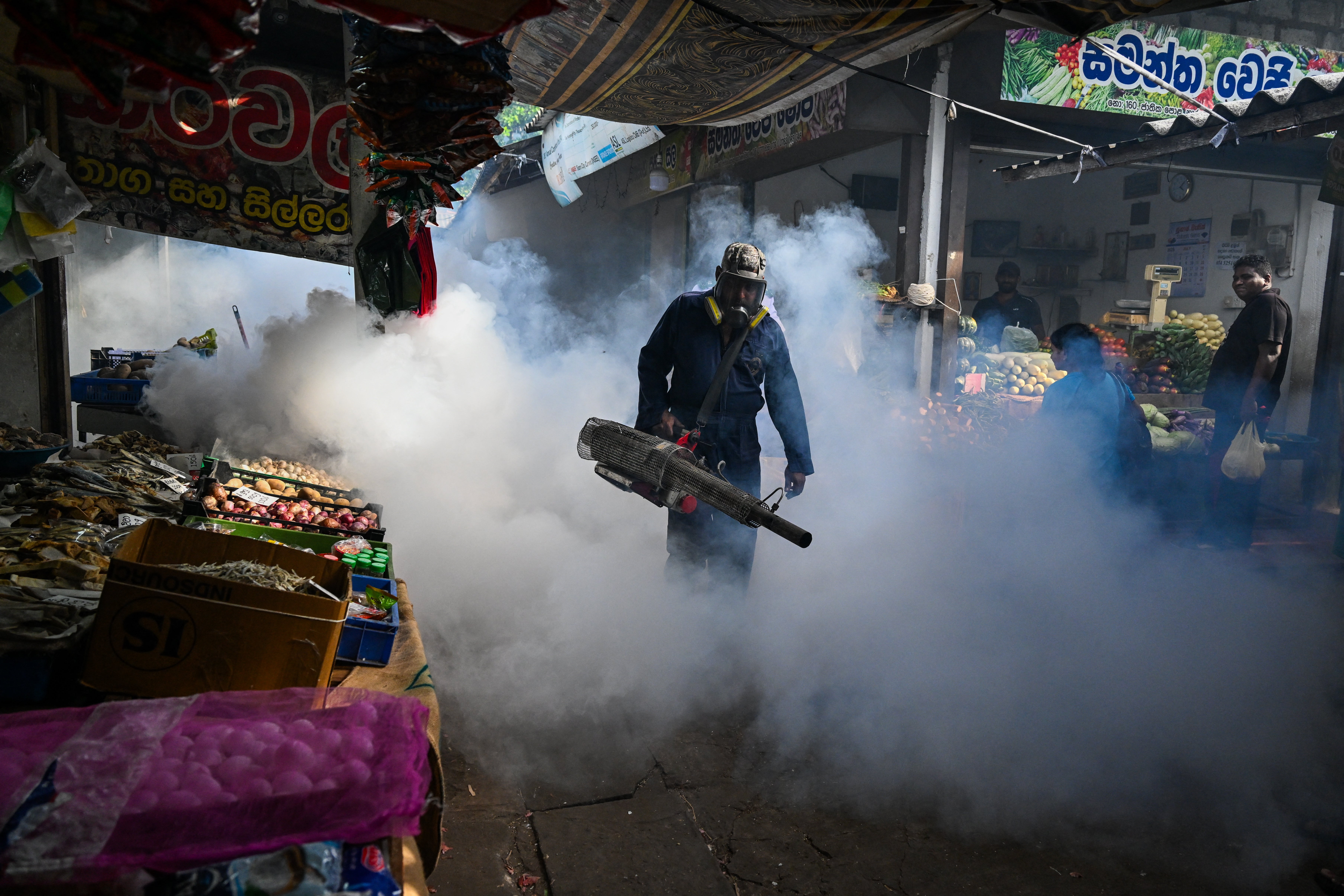
Last week, authorities launched a drive to clean up the worst-affected regions, combing homes, shops and religious establishments to eliminate mosquito-breeding grounds.
In all, the health ministry said, around 11,000 breeding sites had been cleared this month and fines issued to more than 4,000 premises found to harbour them.
“It’s challenging for doctors because it’s a rapid increase in patients,” Lalindra Dias, a consultant in Negombo, one of the worst-hit areas about 35km north of Colombo, said. “All of a sudden, you get a large influx coming into the hospital.”
Mr Dias said his district hospital had treated nearly 1,800 cases in less than two months since June compared to about 1,050 in the same period last year.
Sri Lanka recorded 8,590 dengue cases in May, 21,537 in June, and 21,650 cases in the first 20 days of July, according to the news outlet Ada Derana.
To reduce pressure on hospitals, doctors are advising those with mild symptoms to recover at home.
“The doctor asked me to stay at home because my platelet count had not fallen too much,” Shalini Aloka Perera, 23, told Reuters.
“Then I did my treatment at home because there are too many patients in the hospitals.”
Dengue is spread by infected Aedes mosquitoes and can be serious in some cases. Mosquitoes typically lay eggs in containers that hold water, such as buckets, bowls, animal dishes, flowerpots and vases.
Not everyone gets symptoms but if a person does, they usually start four to 10 days after getting bitten by an infected mosquito.
Some of the symptoms are similar to flu and can include high temperature, severe headache, pain behind the eyes, and muscle and joint pain. Other symptoms include feeling or being sick, swollen glands and a blotchy rash on the body.
Sri Lankan authorities are considering using a dengue vaccine to tackle the outbreak, though public health experts warn that it may offer limited benefits as the virus is complex and several strains are circulating.