




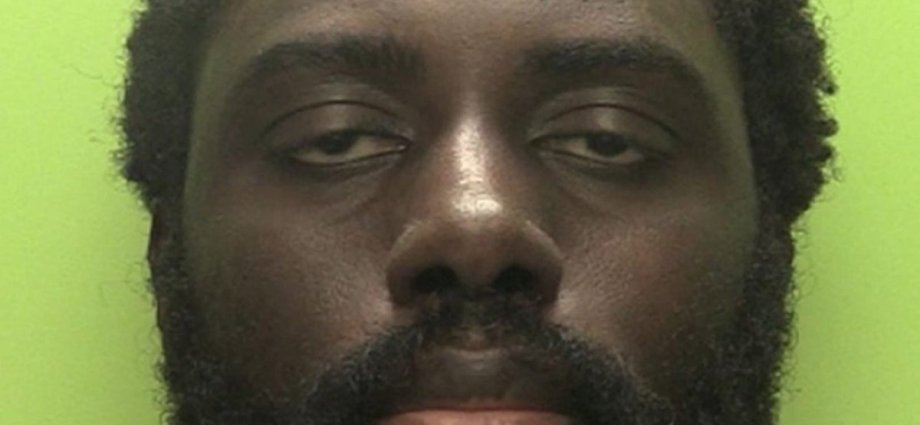
The care of a paranoid schizophrenic in the years before he killed three people was “unacceptably poor”, a minister has told an inquiry.
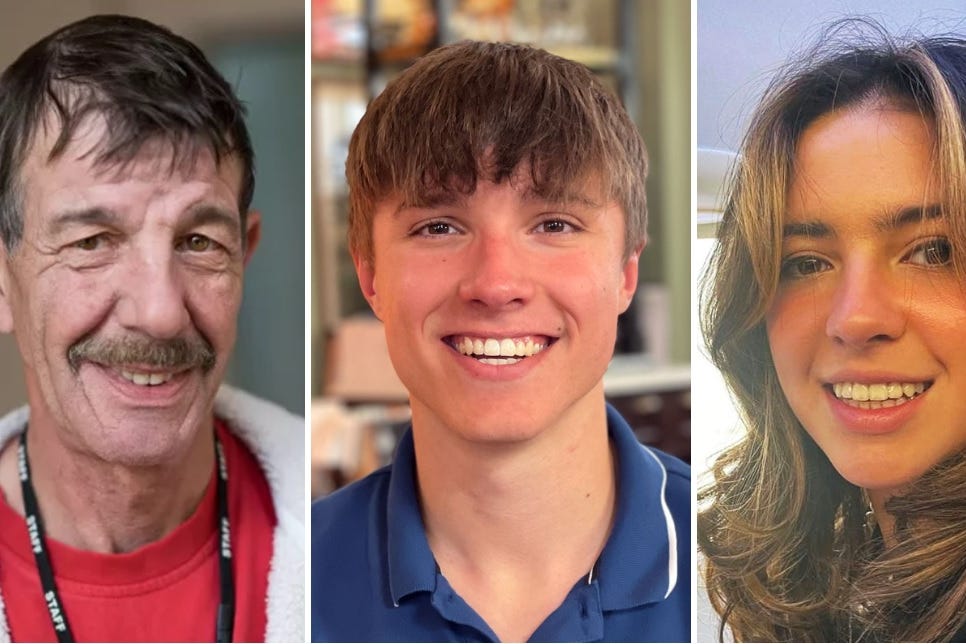
Valdo Calocane fatally stabbed students Barnaby Webber and Grace O’Malley-Kumar, both 19, and grandfather Ian Coates, 65, before trying to murder three more people with a van on June 13 2023 in Nottingham, leaving them seriously injured.
Calocane was detained under mental health laws four times while under the care of Nottinghamshire Healthcare NHS Foundation Trust (NHFT) until he was discharged in 2022.
Baroness Gillian Merron, minister for mental health, apologised to the survivors of the attacks for a “serious omission” by the Government which did not consult them before the inquiry was announced last year.
On Thursday, counsel to the inquiry Rachel Langdale KC read part of Baroness Merron’s witness statement which said: “The department (Department of Health and Social Care) recognises there were failures in provision of care to VC (Valdo Calocane), particularly the lack of oversight of his mental health the year before the attacks.
“Unacceptably poor, should not have been allowed to happen.”
The statement continued: “NHFT operates within a broader national framework and it’s certainly not the department’s position that Nottinghamshire Healthcare Foundation Trust is solely to blame for the failings in VC’s care.”
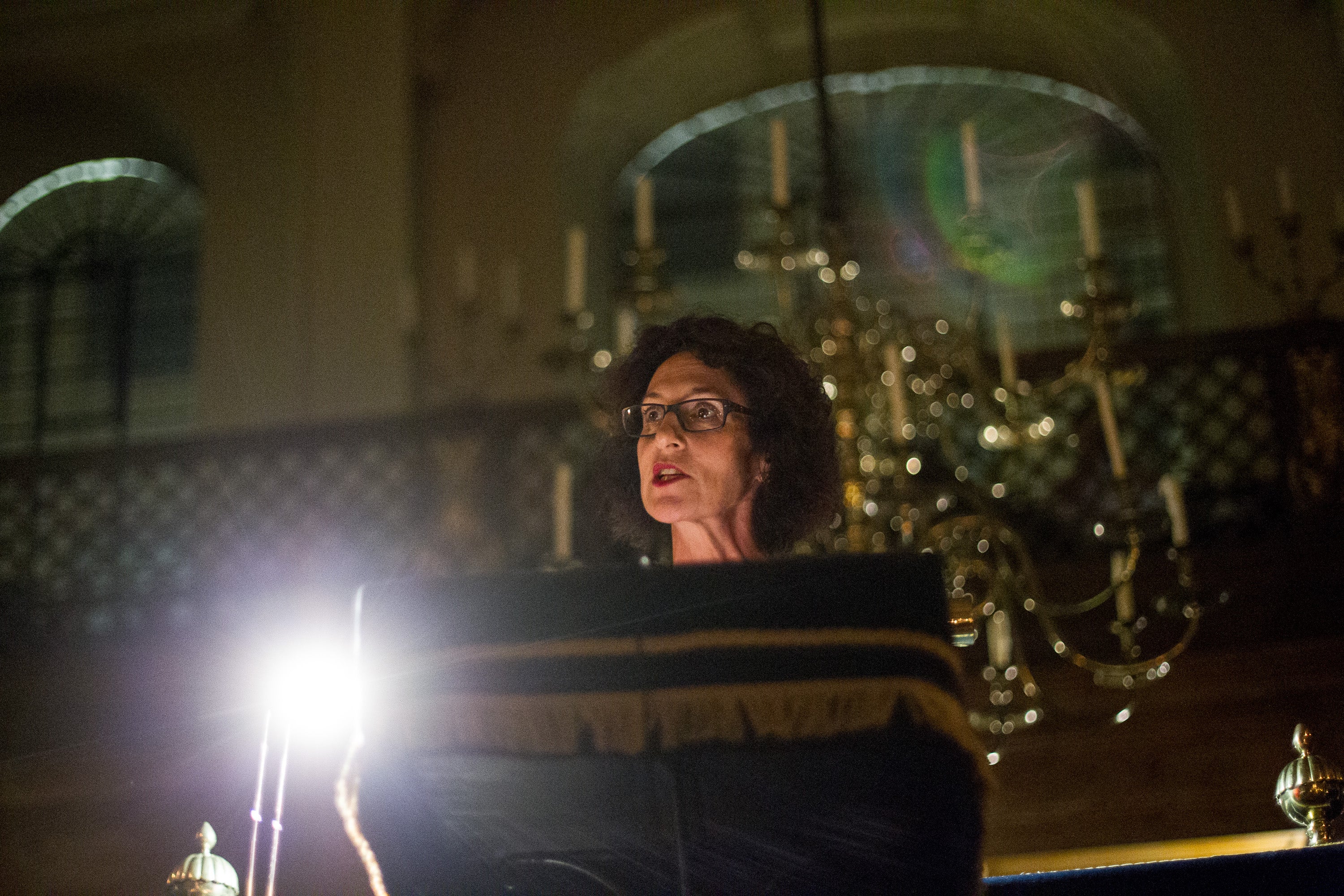
Ms Langdale asked: “Where would you widen that then? Are you saying a Government or Department of Health responsibility too – the failings in his care?”
The minister replied: “The matter of failings in the care of an individual of course can sit in many places. The intent of that paragraph is not to pass on responsibility but to take responsibility.
“It is the very reason that one of our first acts in terms of the King’s Speech… was to include the Mental Health Bill which has now become the Mental Health Act, because we recognise that this was an outdated framework.
“The provisions of it remain sound, but what we have done is modernise that framework on the basis of experience.
“And I should say… some of the experiences of previous inquiries too, and the experience of the events of this inquiry, as we have heard directly from those affected.”
Addressing the bereaved families at the start of her evidence, Baroness Merron said: “I want to express my gratitude but my absolute respect for the way in which you have engaged with us, despite what I can only describe perhaps as unimaginable pain, so I thank you and deeply respect you for that.”
Sophie Cartwright KC, who represents Wayne Birkett and Sharon Miller, two survivors of Calocane’s attacks, said there had been “no consultation, contact or engagement with any of the surviving victims” before the inquiry was announced.
Baroness Merron replied: “I interrogated on this point before coming to the inquiry and I believe that situation that you outline is correct.
“What I would like to say is, with the benefit of hindsight, that wasn’t the right way to proceed.
“The Secretary of State, when he did receive contact from the survivors, did meet with the survivors. But I do take on board the implied criticism, or perhaps the actual criticism, that survivors were not included as they should have been.
“I accept that and wish to apologise for that.”
She added: “I’m sure it has caused great distress and, as I say, if we could possibly rerun it – and we cannot – but if we could I know we would do it differently.”
Ms Langdale said: “What I’m going to suggest is it was a serious omission because, as victims of this attack, they should have been consulted prior to the inquiry being announced.”
Baroness Merron replied: “I’m accepting that and I’m apologising for that.”
The inquiry continues and will hear its final day of evidence on Friday.