








There are “significant gaps” in the UK aid strategy that was released alongside sweeping cuts to the UK aid budget, MPs have warned, with effective evaluation of aid outcomes and better communication around UK aid among the key concerns raised.
The government’s decision to cut the UK aid budget from 0.5 to 0.3 per cent of GNI has drawn widespread criticism from the aid sector, although a strategic shift towards prioritising fragile and conflict-affected countries with the reduced budget has been praised.
The new strategy also includes “four essential shifts” in the UK’s aid partnership strategy, including moving from donor to investor; moving from international intervention to working with more local partners; moving from providing grants to sharing expertise; and moving from service delivery to systems support.
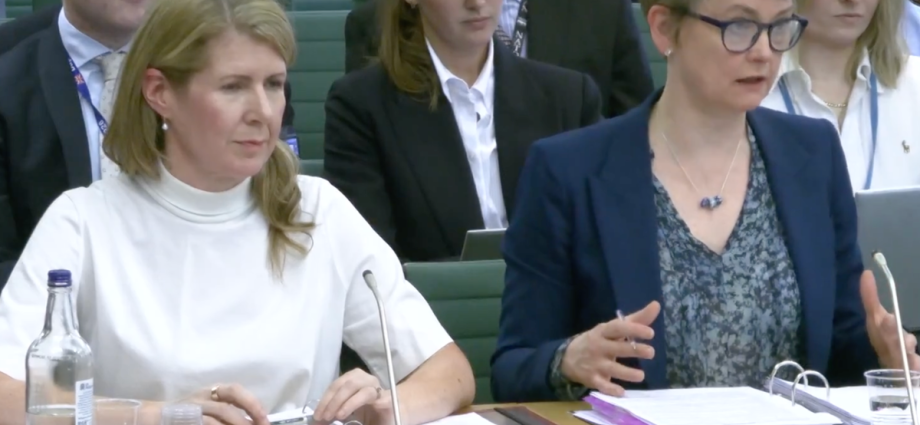
The new report, which was released by the International Development Committee (IDC) following an inquiry which included evidence from The Independent’s Bel Trew, says that the government now needs to clearly outline how it will monitor and evaluate these shifts and their outcomes.
“As Ministers get to grips with the shrunken UK aid pot, there is some promise in the new approach they have set out. But what evidence has informed their strategy? What tangible benefits is it expected to yield?” said IDC chair Sarah Champion in response to the report’s publication.
“The International Development Committee found there are still significant gaps in what we know so far. To put this right, we are calling on the FCDO [Foreign Commonwealth and Development Office] to explain what success will look like and how our external partners will be involved,” she continued. “On top of this, the government should be clearly taking steps to regain public trust and rebuild the case for aid.”
The report states: “A clear qualitative and quantitative description of what success looks like is required.” It adds that there should be a “model for how development partnerships are envisaged” that includes “clearly defined roles for FCDO missions, external stakeholders and departmental support”. `
Another part of the new UK aid strategy is to prioritise aid for multilateral institutions like UN agencies. Here, too, the IDC recommends that there should be an “evidence base for the choices of which organisations and mechanisms [the UK] will invest in”, as well as a clear plan reflecting how such support will align with the UK’s own aid priorities.
Elsewhere in the report, the IDC calls for a fifth essential strategic shift in the government’s approach to more effectively communicate the value of UK aid, including in why it is in the UK’s self interest to send public money abroad.
The government, the report argues, needs to be better at telling the story of how foreign aid has major strategic value to the UK in its ability to tackle problems like conflict overseas as well as illegal migration. Such words echo recent comments from Jan Egeland, secretary general of the Norwegian Refugee Council, that aid cuts have been a “major strategic mistake”.
A better communication strategy is also something that The Independent’s Bel Trew recommended in her evidence to the IDC, alongside a call to protect HIV funding and help end the Aids pandemic, which is something that the government ultimately failed to carry out in its programme allocations announced last month.
Other recommendations in the IDC report include a call to invest in staffing at FCDO missions to ensure that the UK can effectively carry out the strategic shift to its new aid priorities.
The report also suggests that the current strategy of using a significant part of the foreign aid budget to fund in-country refugee costs within the UK is the “antithesis” of a “proactive and strategic approach to aid”.
The government should now prioritise the declassification of spending on refugees from the aid budget, with aid from now on only used for spending overseas, the report recommends.
The FCDO has been approached by The Independent for comment
This article has been produced as part of The Independent’s Rethinking Global Aid project