










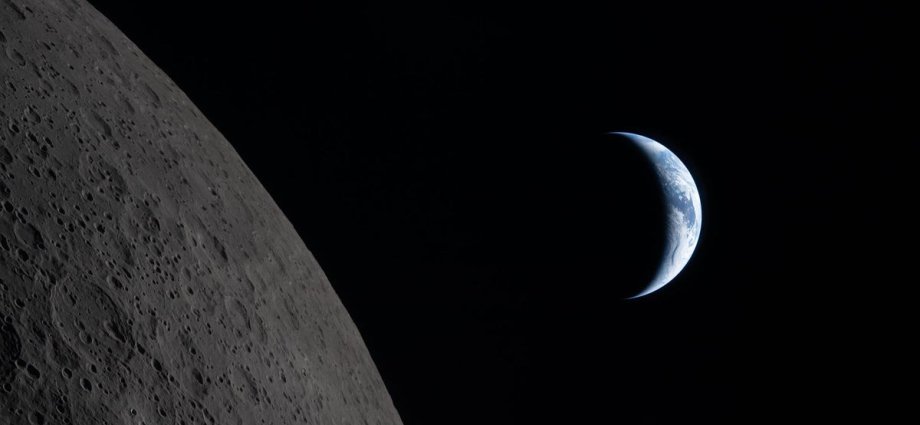
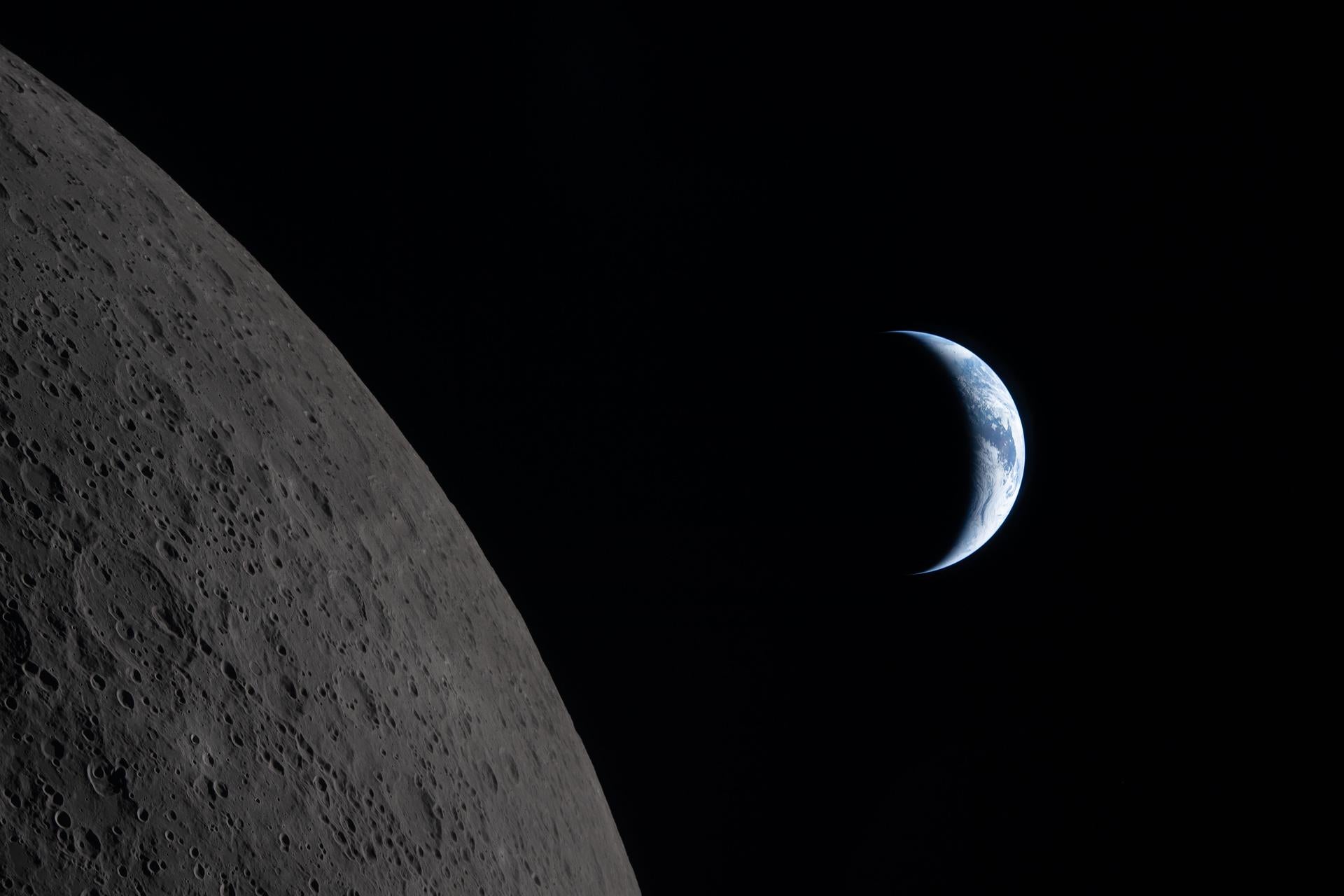
The Trump administration is renewing its focus on creating nuclear power in space, releasing updated guidance for federal agencies following the historic Artemis II lunar mission.
The action is aimed at ensuring the U.S. stays ahead of China in the new space race, which will determine which political power creates the rules there in the future, as humans establish a permanent moon base and work toward getting to Mars in a nuclear-powered spacecraft.
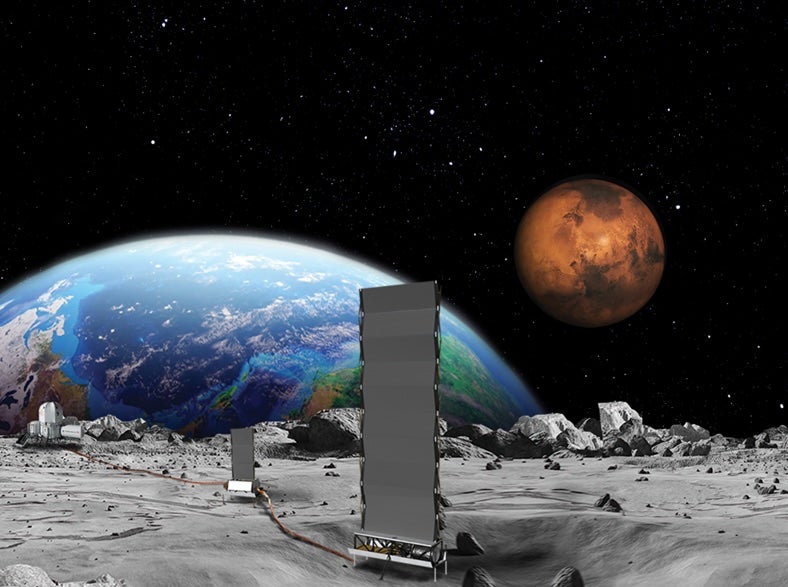
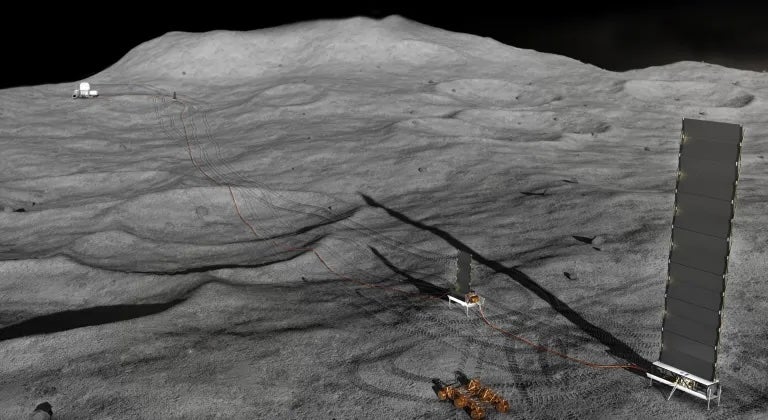
Nuclear energy will be necessary to live and work on the moon because there is not unlimited access to solar power and lunar nights are 14.5 Earth days long. Nuclear reactors can be placed in permanently shadowed areas and can generate power continuously, according to NASA.
The administration’s guidance, issued Tuesday, instructs the Departments of Energy and Defense, the White House Office of Science and Technology Policy and NASA to start taking steps toward safely deploying nuclear reactors in orbit as early as 2028 and launching them to the moon by 2030, in line with a December executive order from President Donald Trump.
“The time has come for America to get underway on nuclear power in space,” NASA Administrator Jared Isaacman, a former SpaceX astronaut, wrote in a post sharing the news on the social media platform X.
The guidance says that NASA and the Department of Defense should create design competitions to enable “near-term demonstration” of the “low- to mid-power space reactor,” preparing to deploy high-power reactors in the next decade.
Within the next month, the administration instructs NASA to initiate a program to develop the reactor with fission surface power – which provides at least 40 kilowatts of continuous, reliable electricity on the moon – as well as prepare an option for demonstration that works using nuclear electric propulsion: tech that uses the reactor to generate electricity and provide thrust for spacecrafts.
By the next 60 days, it calls for a Department of Energy assessment on the readiness of the nuclear industry to produce “up to four space reactors within five years, including reactor design, delivery of long lead-time components, and fuel allocation or production, along with recommendations for addressing any gaps.”
And the guidance also instructs the OSTP to develop a roadmap that identifies obstacles to achieving these objectives within the next 90 days.
“DOW will, pending availability of funding, pursue deployment of a mission-enabling mid-power in-space reactor by 2031,” the guidance said.
Nuclear power in space is nothing new, and the power has been used since the 1960s.
The effort to get reactors in space has been years long, as well, and the Department of Energy and NASA successfully demonstrated a nuclear reactor power system in 2018, under the first Trump administration.
But some experts say that recent goals for reactors are just not feasible within the allotted timeline – although not everyone agrees.
“The whole proposal is cock-eyed and runs against the sound management of a space program that is now being starved of money,” national security analyst, nuclear expert and author Joseph Cirincione told The Independent last August.
He believes a nuclear reactor on the moon could take up to 20 years to become a reality.
Dr. Bhavya Lal, a former associate administrator for technology, policy, and strategy at NASA, recently argued that it would be possible to have a nuclear reactor on the moon by 2030, and it would take $3 billion to do so.
Either way, NASA is targeting 2028 for the first Artemis lunar landing.