






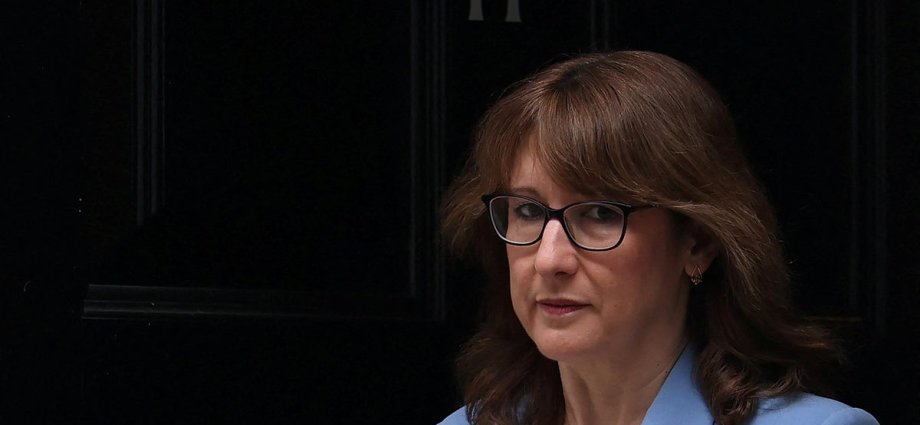
Labour’s Rachel Reeves has criticised US President Donald Trump’s “folly” in engaging in war with Iran without a clear exit strategy.
It comes as Britain’s economic growth projections have been significantly downgraded in the wake of the hostilities.
The Chancellor said that she was “very frustrated and angry” with America’s actions in the Middle East.
Her comments coincide with a stark warning from the International Monetary Fund (IMF) on Tuesday, which suggested a global recession could be a “close call” in a severe scenario linked to the conflict.
In its first set of forecasts since the global economy was rocked by the clashes involving US-Israeli and Iranian forces, the influential economic body predicted weaker than previously expected UK economic growth.
Speaking to the Mirror ahead of travelling to the IMF spring meetings in Washington DC, Ms Reeves said: “This is a war that we did not start.
“It was a war that we did not want.
“I feel very frustrated and angry that the US went into this war without a clear exit plan, without a clear idea of what they were trying to achieve.”
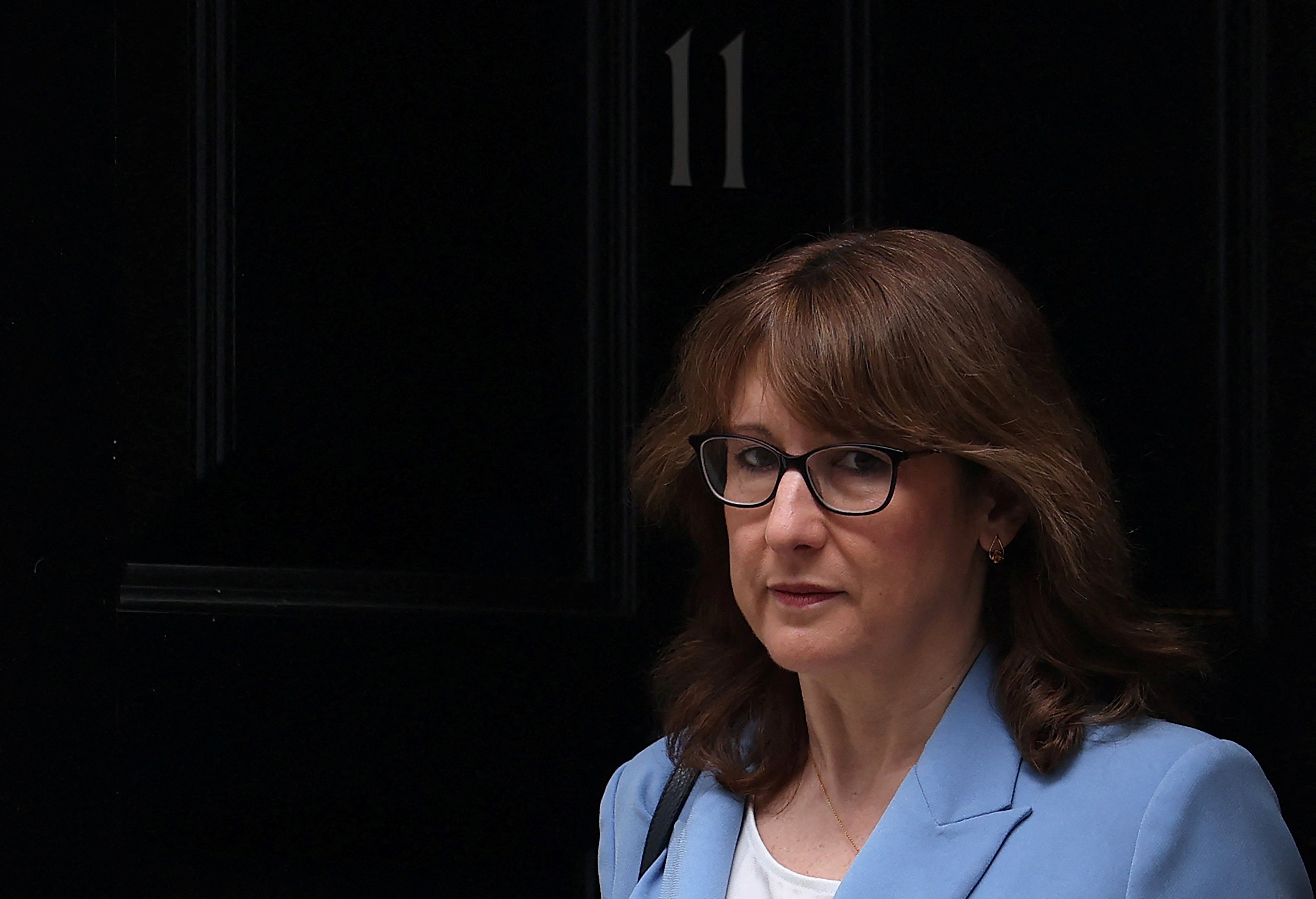
At the Washington DC gathering, Ms Reeves is expected to urge co-ordinated action to tackle the global economic shock caused by the war.
The Chancellor also said: “Obviously no sensible person is a supporter of the Iranian regime, but to start a conflict without being clear what the objectives are and not being clear about how you are going to get out of it, I do think that is a folly and it is one that is affecting families here in the UK, but also families in the US and around the world.”
Prime Minister Sir Keir Starmer will co-host a meeting of world leaders in Paris on Friday, alongside French president Emmanuel Macron.
There, the leaders will aim to come up with a plan to ensure the Strait of Hormuz can remain open to shipping after the Middle East war ends.
A No 10 spokesman said: “The summit will advance work towards a coordinated, independent, multinational plan to safeguard international shipping once the conflict ends.”
Sir Keir told MPs on Monday that the UK-French initiative would involve “military planning to provide assurance to shipping” as well as diplomatic efforts.
Mr Macron has previously said the countries participating in the initiative would work on a “strictly defensive mission, separate from the warring parties to the conflict”, which “is intended to be deployed as soon as circumstances permit”.
He said the summit would bring together countries “prepared to contribute alongside us” to the “peaceful multinational mission”.
In Westminster, a new Cabinet committee has been established to deal with the fallout from the Iran conflict.
The Middle East Response Committee was having its first meeting on Tuesday to consider the situation in the Strait of Hormuz, the shipping route vital for global oil and gas supplies.
The Prime Minister established the committee to deal with the domestic and international impacts of the war, which has driven up energy prices, caused stock market turmoil and exposed deep divisions between the US and its traditional European allies.
No 10 insiders compared the new panel to the committees set up under Tory prime ministers to deal with Brexit preparations and the Covid-19 pandemic.
A source said the “new central structure” would focus on “medium-term scenario planning to respond to developments in the region over the coming weeks and months”.

Alongside the ministerial committee, whose full membership has not yet been disclosed, senior officials will meet under the chairmanship of Cabinet Secretary Dame Antonia Romeo.
The new structure is seen as an acknowledgement that the situation will continue to have an impact on the UK for some time, but meetings of the emergency Cobra committee will still be held to respond to immediate crises.
The first meeting’s focus on the Strait of Hormuz comes after Donald Trump announced a blockade of Iranian ports, and as the UK and France prepare to host a summit to consider options for securing the shipping route when hostilities cease.
Oil prices retreated back below US $100 a barrel in Tuesday morning trading on hopes US-Iran negotiations may be revived and that an agreement could be reached over the crucial Strait of Hormuz shipping route.
Mr Trump defended his actions in the Gulf, saying: “We can’t let a country blackmail or extort the world because that’s what they’re doing.”
Iran has selectively closed off the strait since the US-Israeli bombing campaign began.
Some tankers have been able to pass through, but only with the permission of the Iranians.
Mr Trump’s blockade is aimed at starving Iran of revenue from those vessels.