









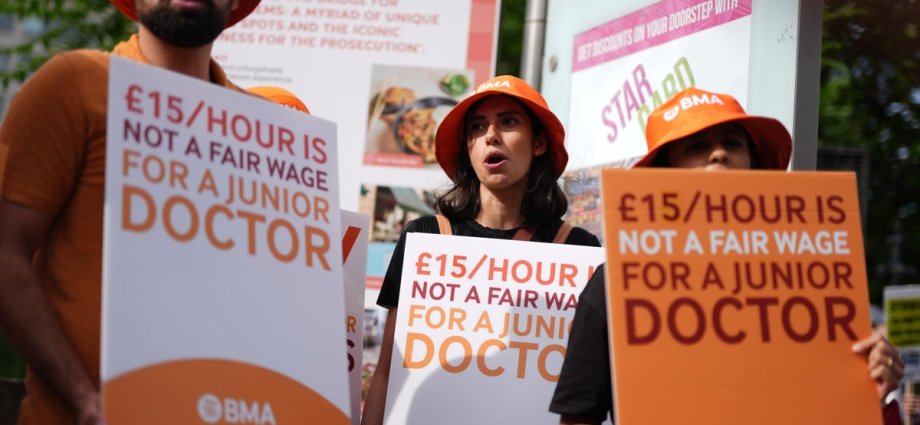
The resident doctors’ strike will plunge the NHS into disruption, healthcare leaders have warned, as the five-day walkout begins on Friday.
Sir Keir Starmer made a last-minute appeal to the doctors to avert industrial action, saying the strikes would put patients at risk and warned that wider public “do not support these strikes”.
NHS hospitals face the first day of a five-day walkout from resident doctors, and health officials have said the British Medical Association are responsible for the distress caused to patients. Resident doctors will stage a five-day walkout from Friday, 25 July to Wednesday.
Sir Keir wrote in The Times that the strikes threatened to “turn back the clock on progress we have made in rebuilding the NHS” and that they could impact the health service’s recovery.
He said: “The route the BMA Resident Doctors Committee have chosen will mean everyone loses. My appeal to resident doctors is this: do not follow the BMA leadership down this damaging road. Our NHS and your patients need you.”
The prime minister added: “Most people do not support these strikes. They know they will cause real damage.”
“Behind the headlines are the patients whose lives will be blighted by this decision. The frustration and disappointment of necessary treatment delayed. And worse, late diagnoses and care that risks their long-term health.
“It’s not fair on patients. It’s not fair on NHS staff who will have to step in for cover for those taking action. And it is not fair on taxpayers.
Speaking ahead of resident doctors beginning five days of strike action, Rory Deighton, acute and community care director at the NHS Confederation, which represents hospitals, said: “The NHS and patients are bracing themselves for five disruptive days of strike action. NHS leaders are doing everything they can to make sure patients are kept safe and as many people as possible can still get the treatment they need.
“While our members will try to keep as much activity on schedule as possible, there is little doubt that this industrial action will have an impact on some services.”
He said the strikes were not “inevitable” after the government entered negotiations with the BMA in “good faith”.
“But despite resident doctor members receiving some of the biggest pay rises across the public sector, the Resident Doctors Committee decided to plunge the NHS and patients into disruption. The impact of these strikes and the distress they will cause patients rests with the BMA,” he said.
The Independent understands that in specialities, some large hospitals may have to cancel up to 25 to 50 per cent of their patient appointments.
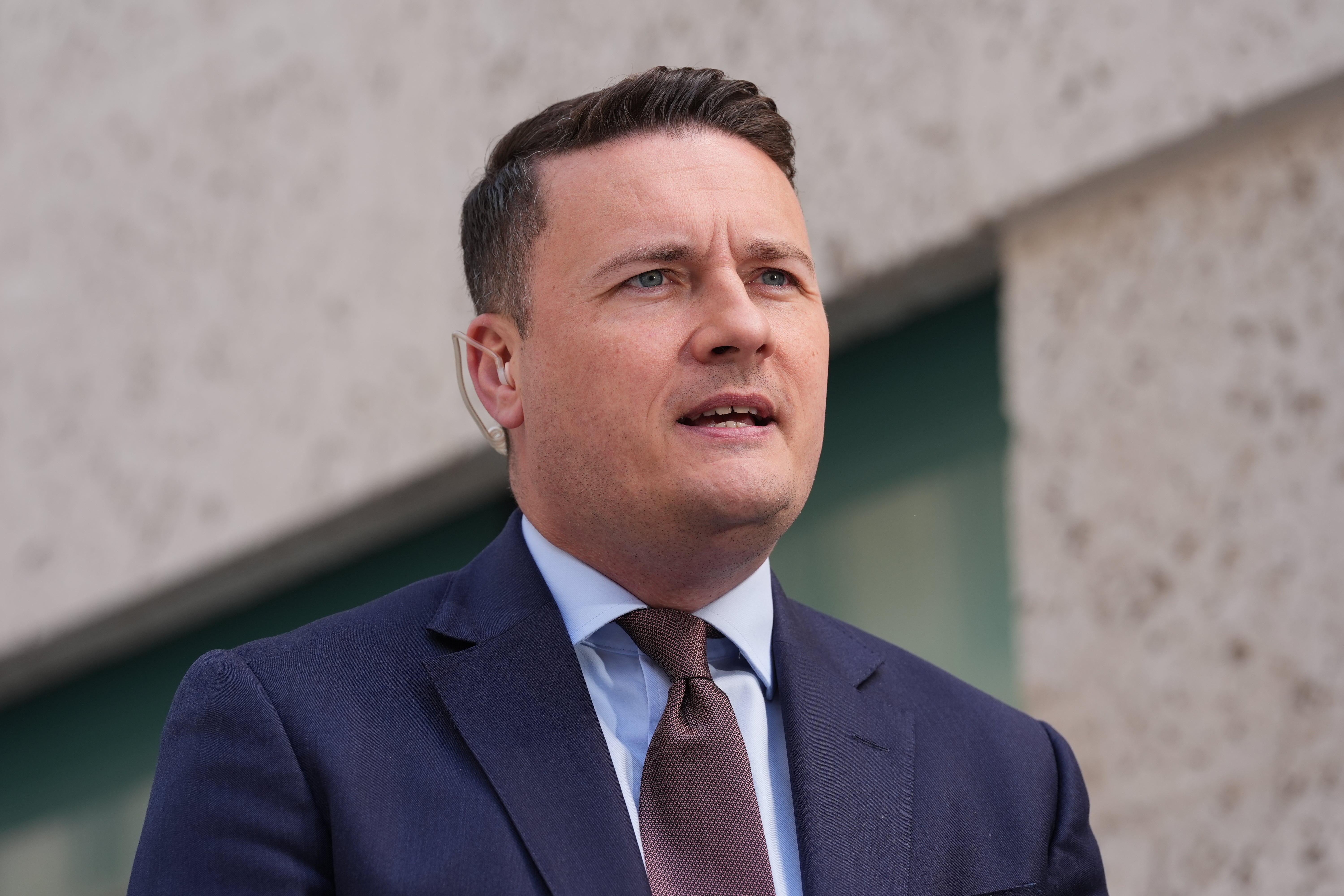
Health secretary Wes Streeting said ahead of the strikes on Friday:“The truth is that patients and NHS staff did not need to be in this position today.
“Despite a 28.9 per cent pay rise for their members over the last three years, and constructive talks on range of measures to improve the working lives of resident doctors, the BMA leadership chose to walk away from talks and lay the damage at the NHS’s door.
“There is no getting around the fact that these strikes will hit the progress we are making in turning the NHS around. But I am determined to keep disruption to patients at a minimum and continue with the recovery we have begun delivering in the last 12 months after a decade and a half of neglect. We will not be knocked off course.”
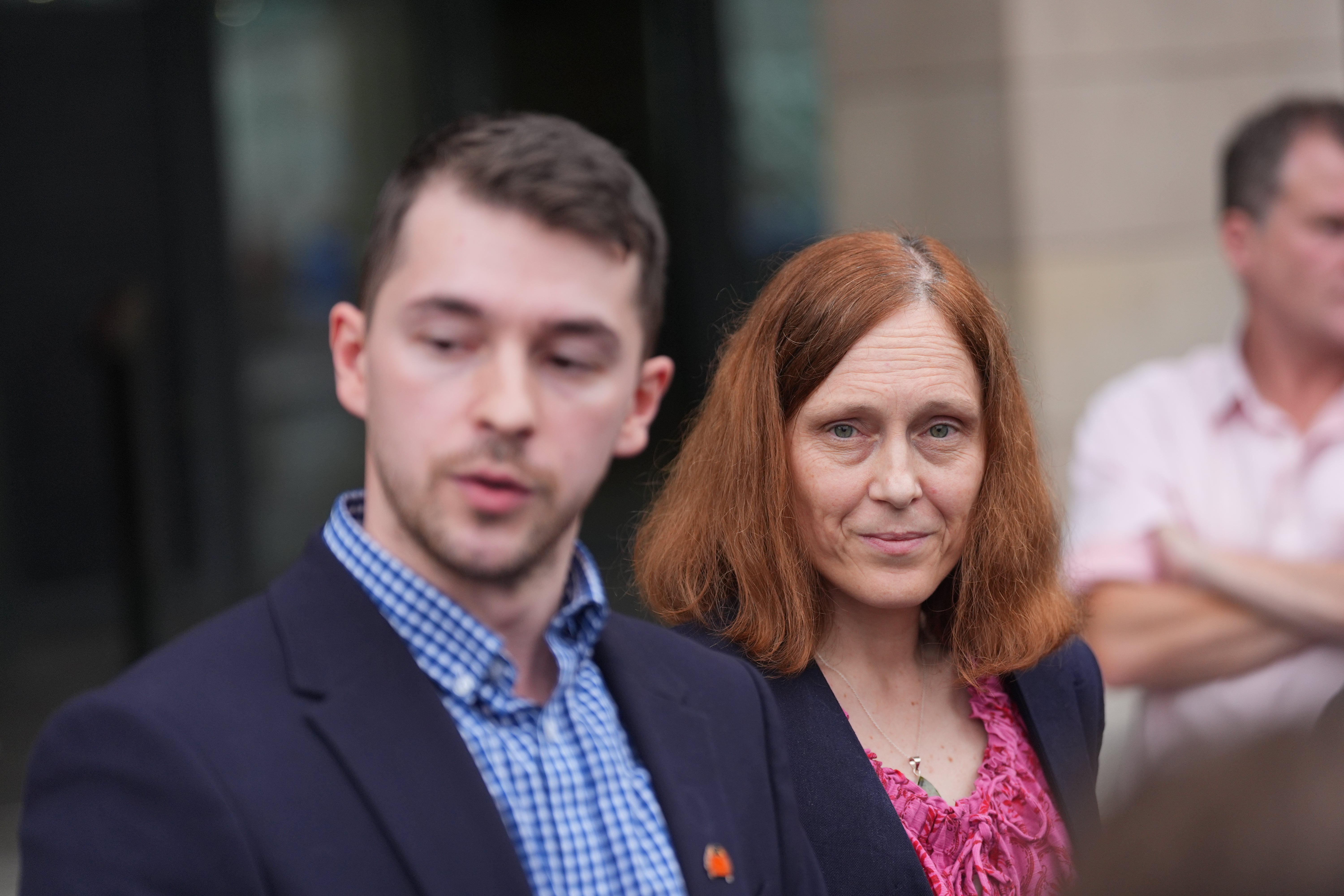
The BMA resident doctors committee co-chairs Dr Melissa Ryan and Dr Ross Nieuwoudt claimed that doctors’ assistants can be paid up to 30 per cent more than a resident doctor which was “deeply unfair.”
The union claimed adverts for doctors’ assistants’ jobs would see them taking £24 per hour home. While adverts for newly qualified resident doctors stood at £18.62.
It said the starting annual salary for a physician assistant working a 37.5-hour week is £47,810 or £24.45 per hour, while a foundation year one doctor’s starting salary is £38,831 or £18.62 per hour.
The salary stated by the BMA is basic pay and does not include additional earnings or hours worked.
The statement added that during talks over the last week, the health secretary failed to address doctors’ pay of 21 per cent between 2008 and 2025.
It added: “The Health Secretary and his officials have refused to continue talks across the strike days, despite the committee’s willingness to do so. The resident doctors’ committee overwhelmingly rejected what amounted to nothing more than vague promises on non-pay issues in a letter to them from Mr Streeting.”
The union said it wants the current strikes to be the last and urged Mr Streeting “to get back around the table with a serious proposal.”
However, the DHSC claimed the union’s’ framing of the pay rates was “disingenuous”.
It said: “Given their repeated use of debunked ways of measuring inflation to overstate their pay claims, it follows a pattern of deliberately misleading calculations from the BMA.”
The DHSC said average annual earnings per first year resident doctor last year were £43,275, in their second year an average of £52,300 last year and resident doctors in speciality training earned an average of almost £75,000.