










Want to bookmark your favourite articles and stories to read or reference later? Start your Independent Membership today.
Join today
Already a member?
Log in
The body’s inner heating mechanism weakens with age and could be turned back up, a new study suggests.
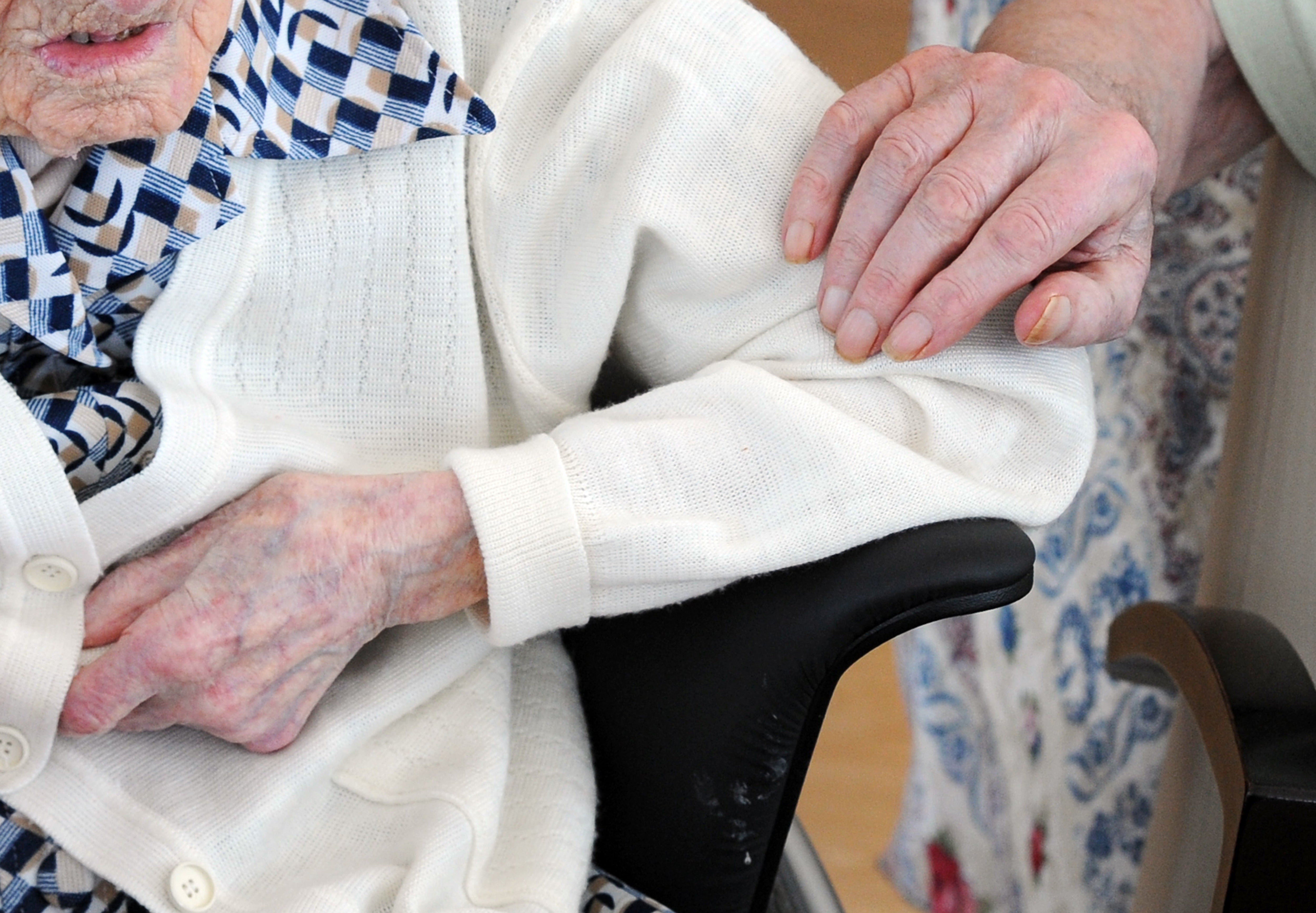
Staying warm can become more difficult as one ages, and it could be beyond just ageing-related changes to muscle mass and blood circulation.
Previous studies have shown that a special type of fat in the body acts as a built-in heater, burning calories to produce warmth when temperatures drop.
Cells with this type of fat, called brown adipocytes, are known to play a key role in regulating body temperature and energy use.
This type of fat works differently compared to ordinary white fat, which mainly stores energy.
Brown fat contains a large number of the cell powerhouses, mitochondria, and proteins that enable them to release energy as heat rather than producing the energy currency molecule ATP.
But over time, their heat generation capacity can become less responsive, potentially affecting how the body handles cold and uses energy.
In other words, ageing impairs the flexibility of the brown adipocytes, scientists say.
Researchers have now unravelled the biological mechanism behind this process and explained why this natural heating process slows with age.
“Learning how the body controls this process may offer insights into obesity, Type 2 diabetes, and other metabolic disorders,” said Qiong Wang, an author of the study published in the journal Nature.
Scientists found that the heat-producing adipocytes have different levels of activity.
Some have abundant levels of the protein UCP1, which generates heat, while other brown adipocytes contain less and produce less warmth.
When it gets cold, nerve and immune signals encourage less active cells to increase their heat output, and when the demand for warmth eases, the system reduces the activity again.
However, in older mice, researchers found that this UCP-1 protein-dependent adjustment became sluggish.
While the fat cells did produce heat, they took longer to respond, making it harder for the older mice to maintain their body temperature regularly.
The steroid drug mifepristone could restore some heat production in older mice, scientists found.
Scientists suspect targeting this signalling pathway could potentially restore some of the body’s heat-generating capacity lost with ageing.
At least some of the age-related decline in body heat production could be reversible, the study confirms.
“That possibility matters for more than staying warm,” Dr Wang said.
“If scientists can find a safe, precise way to restore that activity, this foundational research could eventually deepen our understanding of age-related metabolic problems, including obesity and type 2 diabetes,” she said.