








Want to bookmark your favourite articles and stories to read or reference later? Start your Independent Membership today.
Join today
Already a member?
Log in
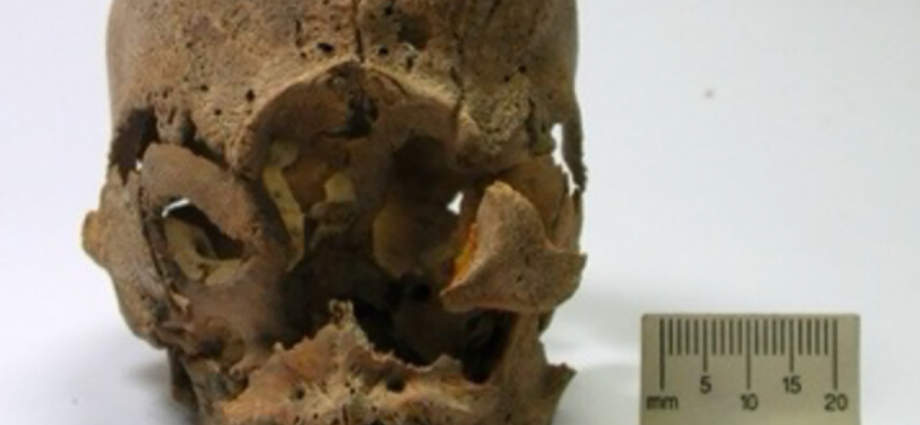
Archaeologists have unearthed an unusual 1,200-year-old infant skull in Peru with a single eye socket at the centre of the forehead, shedding more light on the rare genetic disorder “cyclopia” in an ancient population.
Cyclopia is a severe developmental disorder that is caused by the brain failing to divide properly into two hemispheres. Most affected infants die before or shortly after birth.
The genetic condition is so rare that finding physical evidence of it, even in modern times, is difficult.
Researchers have found evidence showing a child from the Middle Nasca period in southern Peru had cyclopia. During excavations at an ancient cemetery in Jauranga in the country’s south, archaeologists found well-preserved skeletons of two infants buried together inside a ceramic vessel.
One of them showed no skeletal abnormalities, while the other had an unusually small skull with a single eye socket at the centre of the forehead as well as other facial features pointing to a severe developmental condition. This second infant did not have any nasal bones or nostrils, for example, and the upper jaw had failed to divide into two halves, and the optic nerves appeared fused.
A DNA analysis revealed that both the infants were female and that the one with cyclopia carried an extra copy of chromosome 13, a condition known as trisomy 13.
Humans normally carry 23 pairs of chromosomes in each cell, and an extra chromosome may lead to developmental abnormalities.
Trisomy of the 13th chromosome can lead to Patau syndrome, which is characterised by severe abnormalities of the brain and nervous system, facial abnormalities like cyclopia, heart defects, and extra fingers or toes.
The latest findings confirm that this chromosomal abnormality was present in ancient South American populations.
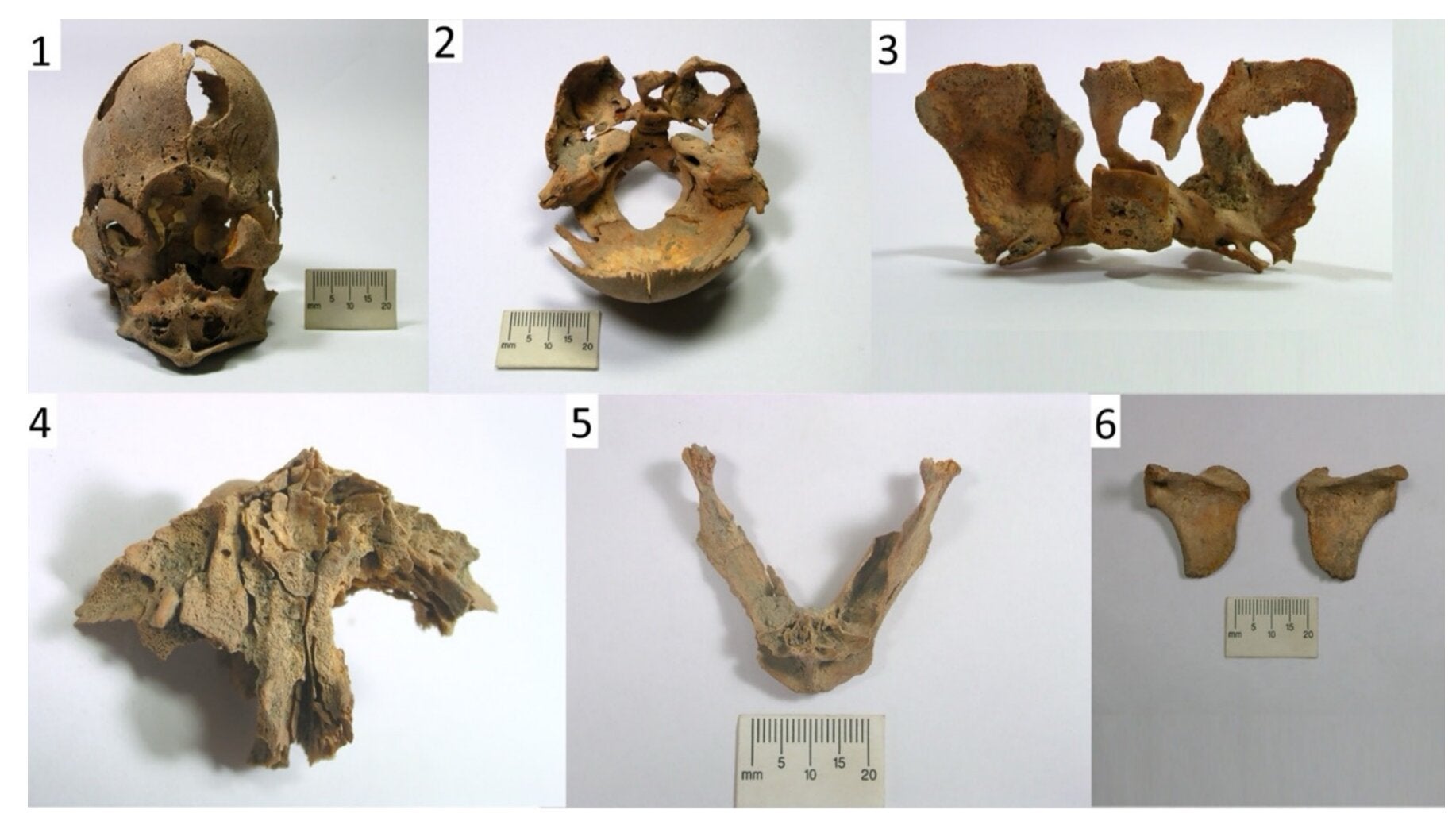
The DNA analysis also showed the infants were not maternally related. They were buried in the Middle Nasca cemetery sometime between 325AD and 440AD.
Their bones were preserved in their natural positions rather than being scattered, indicating that they were both buried with the same funerary practices.
“The two maternally unrelated individuals were interred together in a ceramic vessel, a mortuary treatment well documented for Nasca children,” according to the study published in PNAS.
They were placed in ceramic pots after death, a practice seen in a quarter of all child burials documented in the region.
“This suggests that established mortuary traditions for children were maintained despite the individual’s condition but does not reveal whether bodily differences affected social identity, treatment or care during life,” the study concluded.