










Want to bookmark your favourite articles and stories to read or reference later? Start your Independent Membership today.
Join today
Already a member?
Log in
An eye condition linked to diabetes may foreshadow dementia years before the first signs of memory loss appear, a comprehensive new review of research suggests.
The review, published in the journal Frontiers in Endocrinology, found that diabetic retinopathy was associated with a 55 per cent higher incidence of dementia.
Retinopathy is a diabetes complication that damages the blood vessels of the retina, the light-sensitive tissue at the back of the eye that allows you to see.
It is caused by prolonged high blood sugar levels weakening tiny blood vessels at the back of the eye to leak fluid.
Scientists from Saudi Arabia found that retinopathy couldn’t simply coexist with cognitive decline but must precede it and potentially function as an early sign for dementia.
Previous studies had classified diabetic retinopathy as a consequence of chronically elevated glucose levels that damaged delicate blood vessels of the retina, but more recent research showed that it was also a neurodegenerative condition.
Recent studies show that a diabetic eye loses neurons before it begins to leak, mirroring changes observed in blood vessels in stroke and Alzheimer’s disease.
In the latest review, scientists pooled and analysed global health data from 14 studies to determine whether patients diagnosed with diabetic retinopathy face a higher risk of developing memory loss, confusion, and degenerative brain diseases.
The overall analysis included data from 2,800,000 patients diagnosed with type 2 diabetes.
Researchers found that patients with diabetic retinopathy had a 55 per cent higher risk of developing dementia over time compared to diabetes patients who did not suffer from eye damage.

This finding suggests diabetic retinopathy can be a strong, independent predictor of future cognitive decline.
Since only one study in the review evaluates type 1 diabetes, the findings predominantly reflect type 2 disease, researchers say.
“Diabetic retinopathy may be a prognostic marker for future cognitive deterioration rather than merely coexisting with established impairment,” they wrote.
“The observed association may reflect shared retinal and cerebral microvascular pathology.”
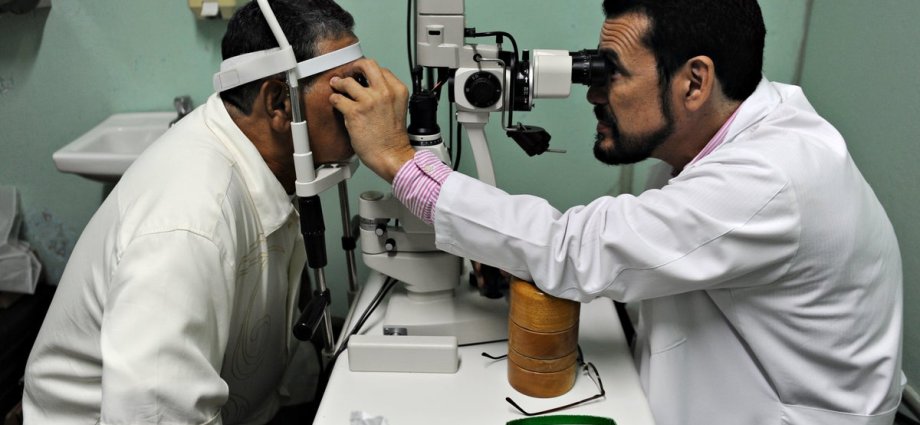
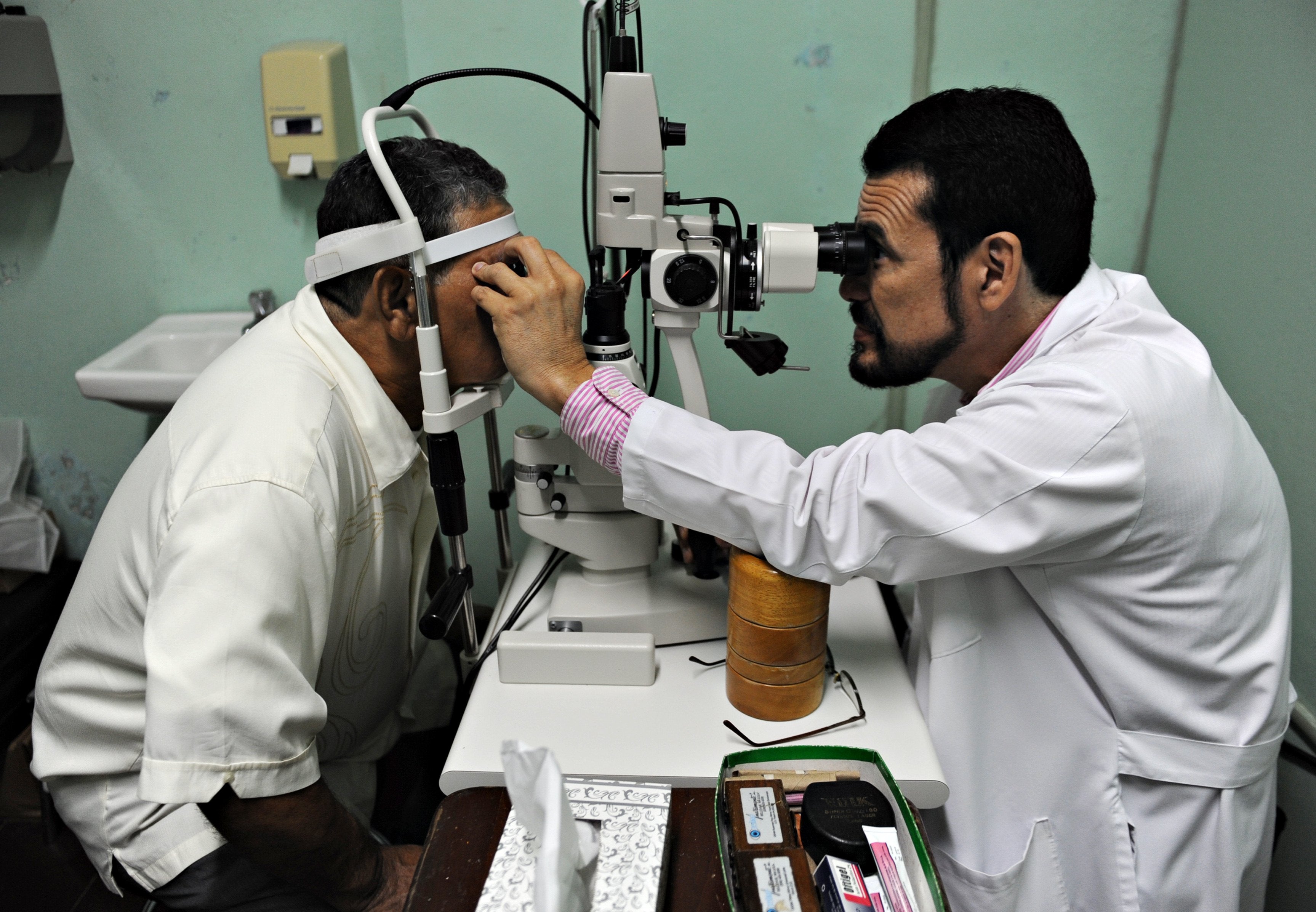
Researchers recommend a routine eye exam as a crucial tool for assessing brain health in older people, especially those with diabetes.
They call for more integrated healthcare, with eye specialists, endocrinologists, and neurologists sharing data more fluidly.
They also urge caution in the interpretation of the research as it is observational and does not establish a cause-effect relationship.
“These findings do not establish causality or the benefit of routine cognitive screening based solely on diabetic retinopathy status,” they said.