





Want to bookmark your favourite articles and stories to read or reference later? Start your Independent Membership today.
Join today
Already a member?
Log in
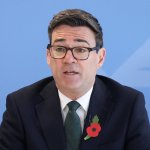
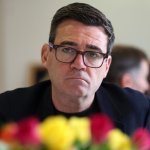
Shocking new energy prices for oil and gas have provided Andy Burnham and his chancellor John Healey with a major setback as the prime minister vowed to put spending on social care at the heart of his next election manifesto.
The figures disclosed to The Independent, which the Treasury will have seen, show that oil prices are 154 per cent above the pre Iran conflict level of 77.6p per therm on 27 February. Meanwhile, gas prices are up 43 per cent since the war began.
Treasury sources have noted that higher energy prices feed inflation and hike borrowing costs, but while that can temporarily increase tax revenue it weakens the economy.
It causes a huge headache as Mr Healey tries to balance the books with uncertainty as well as a push to increase defence spending to 3 per cent of GDP.
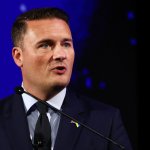
The figures highlight the massive constraint on Mr Healey’s Budget, due to be unveiled at the end of October, as he prepares to address the Labour Party conference for the first time as chancellor on Tuesday with a desire to reindustrialise Britain.
It comes as Mr Burnham played his highest stakes yet as prime minister on Sunday when he vowed that he would put his plan for a national care service along the lines of the NHS, funded by the taxpayer and free at the point of use, to the public at the next general election.
With no clear plan to pay for it or his other promises on taking VAT off energy bills and capping bus fares, the issue could dominate the next election campaign and see any hopes of cross party consensus collapse.
Speaking on the eve of conference, the prime minister had acknowledged he was facing a “challenging” set of circumstances against severe economic headwinds, adding it was “crucial” to stabilise public finances to fulfil his plans. Then on Sunday, he said he would “grasp the nettle” of social care reform in England, saying it is “devastating” that generations of politicians had failed to address the crisis in the system.
Mr Burnham warned that Sir Keir Starmer’s red lines on tax – no increases in national insurance, income tax or VAT – constrained him from fixing the “broken” social care system before another election.
But the growing international and economic uncertainty puts his plans at risk with energy set to become a major factor in his government’s calculations.
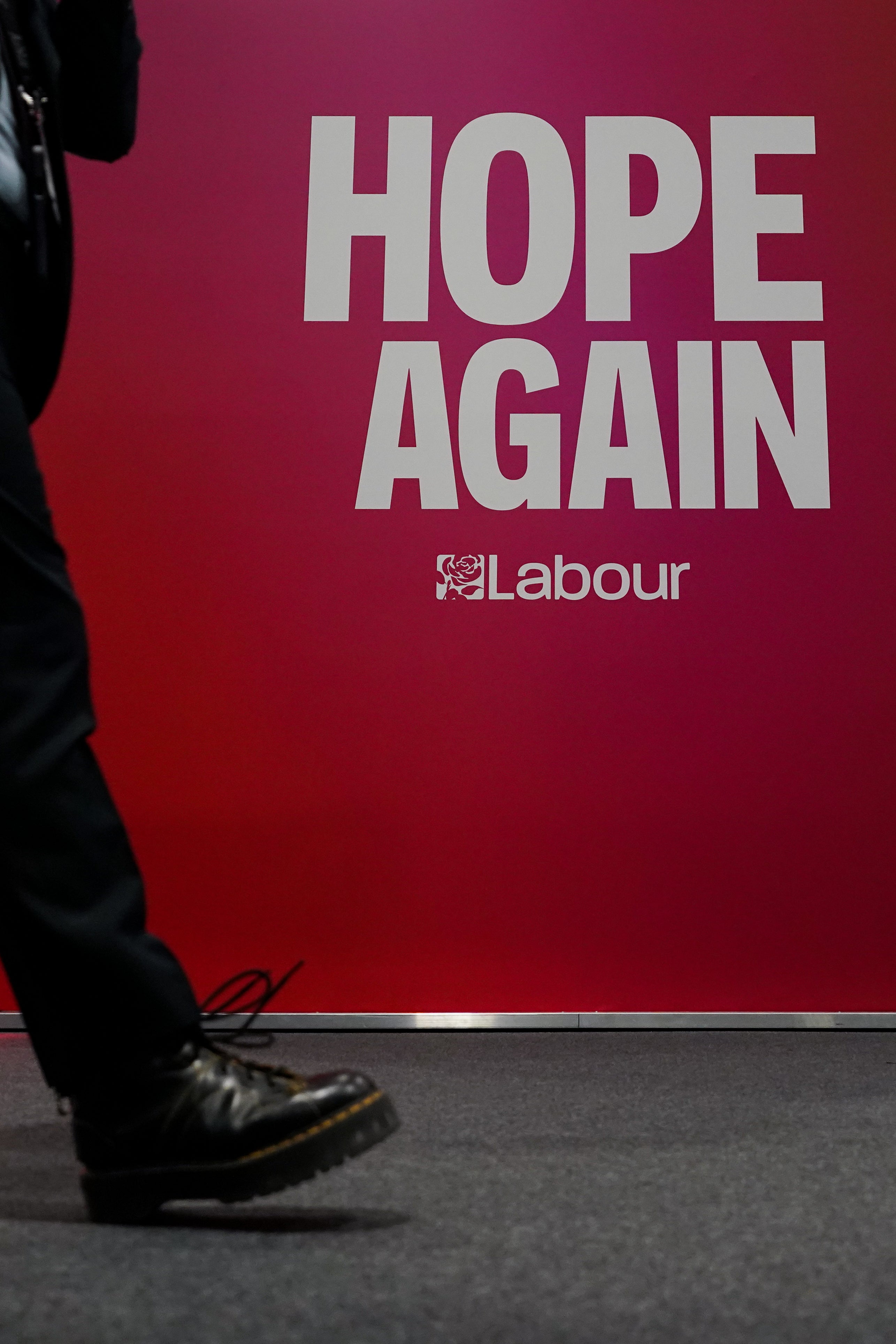
The revelation that social care would be at the centre of the election manifesto came as Labour’s annual conference in Liverpool opened with the slogan “hope again”, reflecting the dramatic change the party underwent in replacing their election-winning prime minister with Mr Burnham.
Mr Burnham came into office in July, weeks after winning the Makerfield by-election, and ending his time as mayor of Greater Manchester, saying that he did not want to leave Downing Street without fixing a crisis that has become very personal to him because of the plight of his father who suffered from Alzheimer’s before dying earlier this month.
But now, despite an offer to work cross-party on the issue, he risks an election defeat before he can enact change.
However, Mr Burnham denounced the current social care system as “unfair as American healthcare, where the most vulnerable in society can lose everything”, as he warned it will “in the end, break the National Health Service”.
Mr Burnham said the proposed care service will “work on NHS principles” but said it will not be introduced before the next election.
He told the BBC that current commitments in the Labour manifesto – which includes a pledge not to raise VAT, income tax, or national insurance – would “make it hard to do in this parliament”.
He said he “will develop a very clear plan, and I will put that plan to the public at a general election”.
“That will be that will be where the plan gets tested. And people will then be able to decide,” Mr Burnham continued. “And I am prepared to put myself in that position, recognising that it might be difficult or unpopular with some, but that is the way to do it, to get that endorsement and then introduce the system in the next parliament.”
He said that launching a national social care service along NHS principles is “the only way that you can make it work”.
“To be honest with you, broken social care will, in the end, break the national health service if we leave it like it is,” he said.
He also branded social care in England as “unfair as American healthcare” where vulnerable people can be “wiped out, not just by the condition that they have, but wiped out financially”.
He rejected suggestions a free care service could cost taxpayers £18bn a year, telling the BBC: “It’s not that high.”
But he said people were already paying a high cost for the current system: “People are paying care charges now. They are spending tens of thousands of pounds from their savings, sometimes losing their homes.
“That is what’s happening at the moment. So to suggest there isn’t a cost to people at this moment in time, there’s a huge cost.”
Labour’s conference in Liverpool began on Sunday, with the party’s deputy leader Lucy Powell and first secretary Louise Haigh addressing members from the podium.
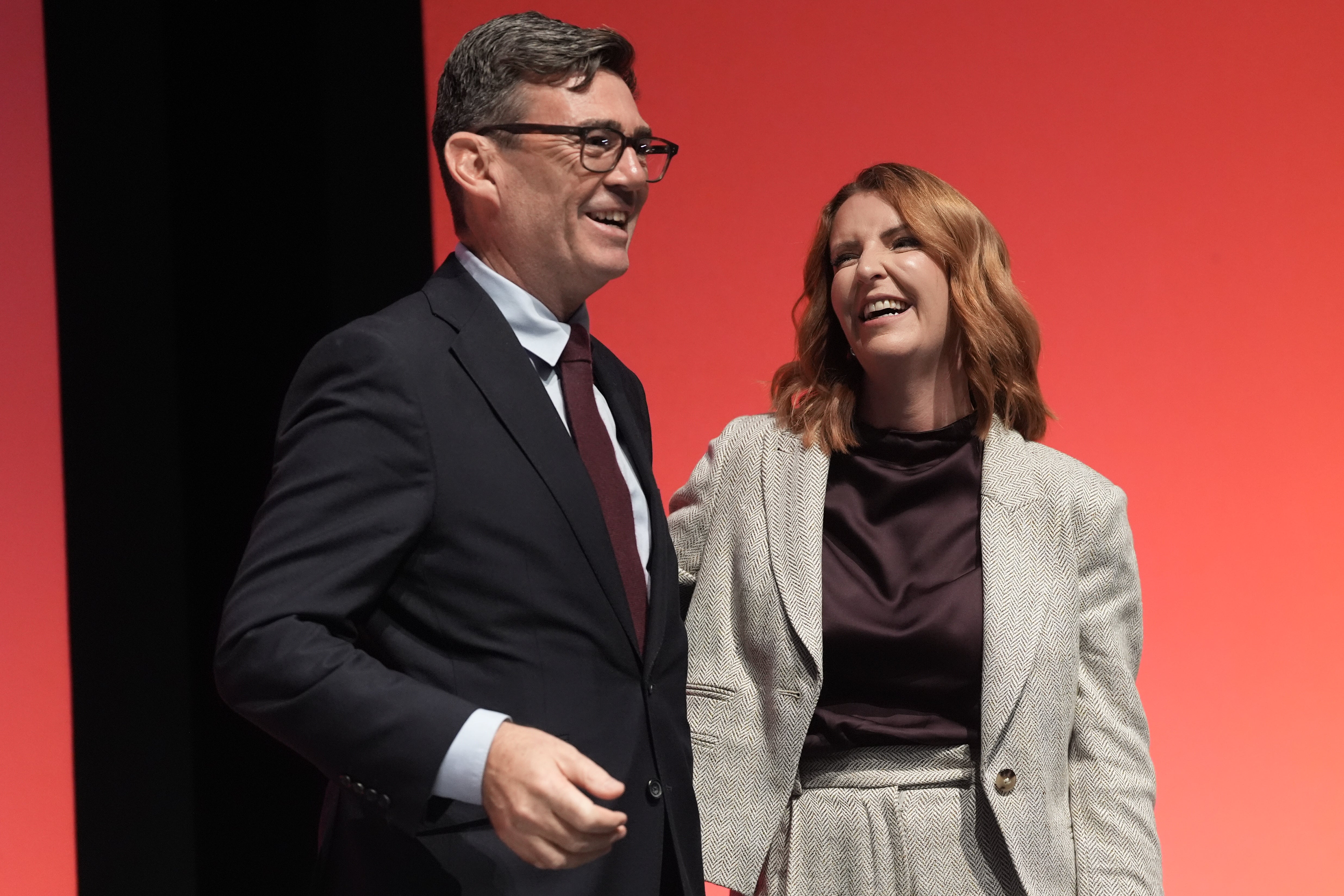
The prime minister will make his speech, aimed at outlining his broad agenda for government, on Tuesday, telling Ms Kuenssberg that many of the answers people have on taxation and the economy will be given then.
He said he would lay out the “vision” for his social care plans in his speech, before Baroness Louise Casey’s review helps “work up the details”.
“Is there any wonder that politics is in such low esteem with the public when it can’t fix something as basic as the care that we give to each other?” he said.
“So it can’t carry on. Somebody needs to grasp the nettle. I will be the one to do that and I realise it might require me to spend some political capital. That it might make me unpopular with some, but that isn’t going to stop me.”
The conference opened with renewed hope in the Labour Party over its prospects of defeating Reform and the Tories after a period of dire unpopularity under Sir Keir.
An eve of conference Opinium poll put the party four points ahead of Reform with their highest percentage since 2024 of 28 per cent.