










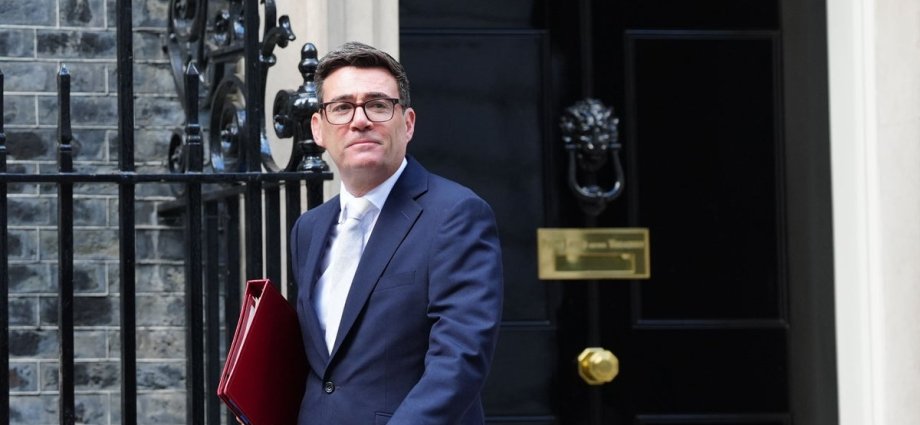
Bonds are back in the headlines after hitting their highest level since the global financial crisis, with 10-year yields now standing at 5.29 per cent.
While bond yields are rising globally, the UK version, known as gilts, spiked on Tuesday into Wednesday, rising the fastest among G7 nations.
So what’s causing it and what does it mean ahead of next month’s Budget for Andy Burnham and his chancellor, John Healey?
Why are bond yields rising?
This is a two-part question: the functional, mathematical reason that yields rise and then the real-world factors that make it happen.
Firstly, when they are in demand and being bought, the price of bonds rises. When they are being sold off (like now), the price goes down. When the price of bonds falls, the yield – the percentage paid out as income to the bond holder – goes up.
That yield reflects the cost of borrowing money that the government has to pay, so the cost of borrowing is on the rise when bonds are being sold.
Why it’s happening is a threefold answer.
Primarily, it’s the Iran war: the ongoing conflict creates uncertainty and leads to further geopolitical unrest, which money markets do not enjoy.
But the knock-on implications of that are bigger: the Strait of Hormuz shipping route not flowing freely continues to leave oil prices higher, which will push energy costs up – not just for domestic bills but within transport, production and manufacturing, food and farming and beyond. That leads to price increases being passed on to consumers, which is what we call inflation.

Get a free fractional share worth up to £100.
Capital at risk.
Terms and conditions apply.
ADVERTISEMENT
Get a free fractional share worth up to £100.
Capital at risk.
Terms and conditions apply.
ADVERTISEMENT
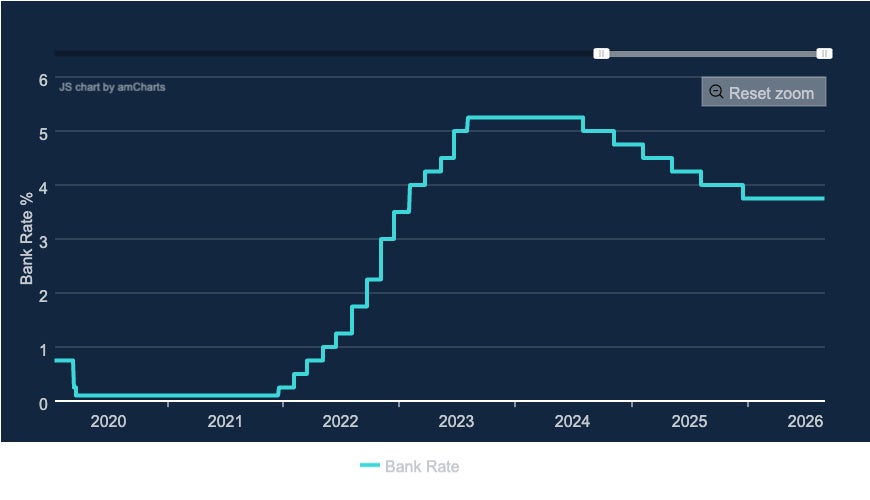
Rising inflation is a second factor, because the response from central banks is usually to raise interest rates. Higher interest rates available on cash in the bank mean investors demand a higher premium to lend money. Both the European Central Bank and the Bank of Japan are expected to hike rates this month, while the Bank of England and Federal Reserve could also do so.
Kristalina Georgieva, managing director of the International Monetary Fund, has warned that rising interest rates in the world’s strongest economies will have a harmful knock-on effect for developing nations.
And thirdly, there are growing concerns over government debt levels being unsustainable – the US debt pile reached an astonishing $40tn (£29.67tn) last week, leaving some, such as billionaire Ray Dalio, to predict a US debt crisis is likely within a few years.
What does it mean for Burnham and Healey?
All of those factors might be global rather than domestic, but there’s no escaping their impact for leaders back at home.
That’s because as borrowing costs rise, the increased payments must be accounted for in overall government spending, leaving less space for them to promise tax cuts or increased services, due to the decrease in the much-spoken-about fiscal headroom.
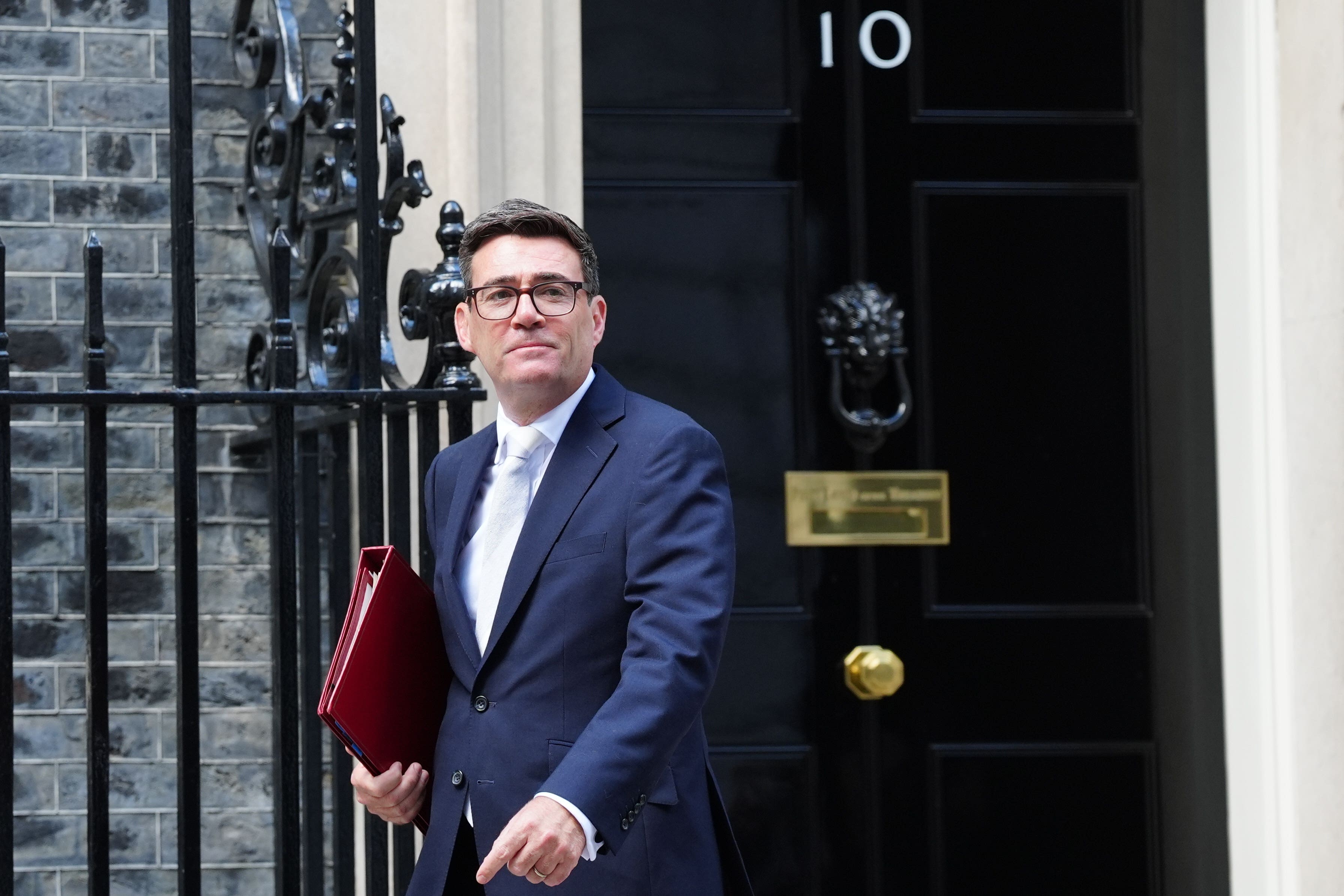
“The 10-year gilt yield has hit levels last seen during the Global Financial Crisis. Recent drivers of increasing gilt yields have been broadly international, but it continues to be a major concern that UK government borrowing costs remain notably higher than G7 counterparts,” said Daniel Mahoney, senior UK economist at Handelsbanken.
“If geopolitical risk recedes later this year, as we currently project, we do expect to see some easing of gilt yields in the future. But current moves in financial markets are clearly set to further erode the government’s fiscal headroom at the upcoming Budget, adding to the likelihood that fresh tax increases will be announced on 28 October.”
As for what’s already off the table, increased defence spending looks like taking a back seat, Jonathan Raymond, investment manager at Quilter Cheviot, told The Independent.
“While borrowing costs rising do not necessarily mean promises already made by Burnham and Healey suddenly become unaffordable, markets will be paying close attention to how those commitments, as well as any made at the upcoming Budget, are going to be paid for,” he said. “It seems Healey is already having to succumb to fiscal realities following reports that he has had to shelve his plans to get defence spending to 3 per cent by 2030.
“Going forward, a credible plan and evidence that borrowing is not drifting too far beyond what has already been set out will be key.”
What’s the impact for the UK?
Higher interest rates, or even the expectation of them, lead to higher mortgages, while higher government bond yields – the government’s interest rates – mean the potential for less spending on public services.
So far, the British economy has proven remarkably resilient, with lower inflation and higher growth than had been expected, and those figures could yet be a saving grace when it comes to keeping interest rates down.
Russ Mould, investment director at AJ Bell, explained why the PM will have to continue to pursue growth as a measure to escape the cost pressures.
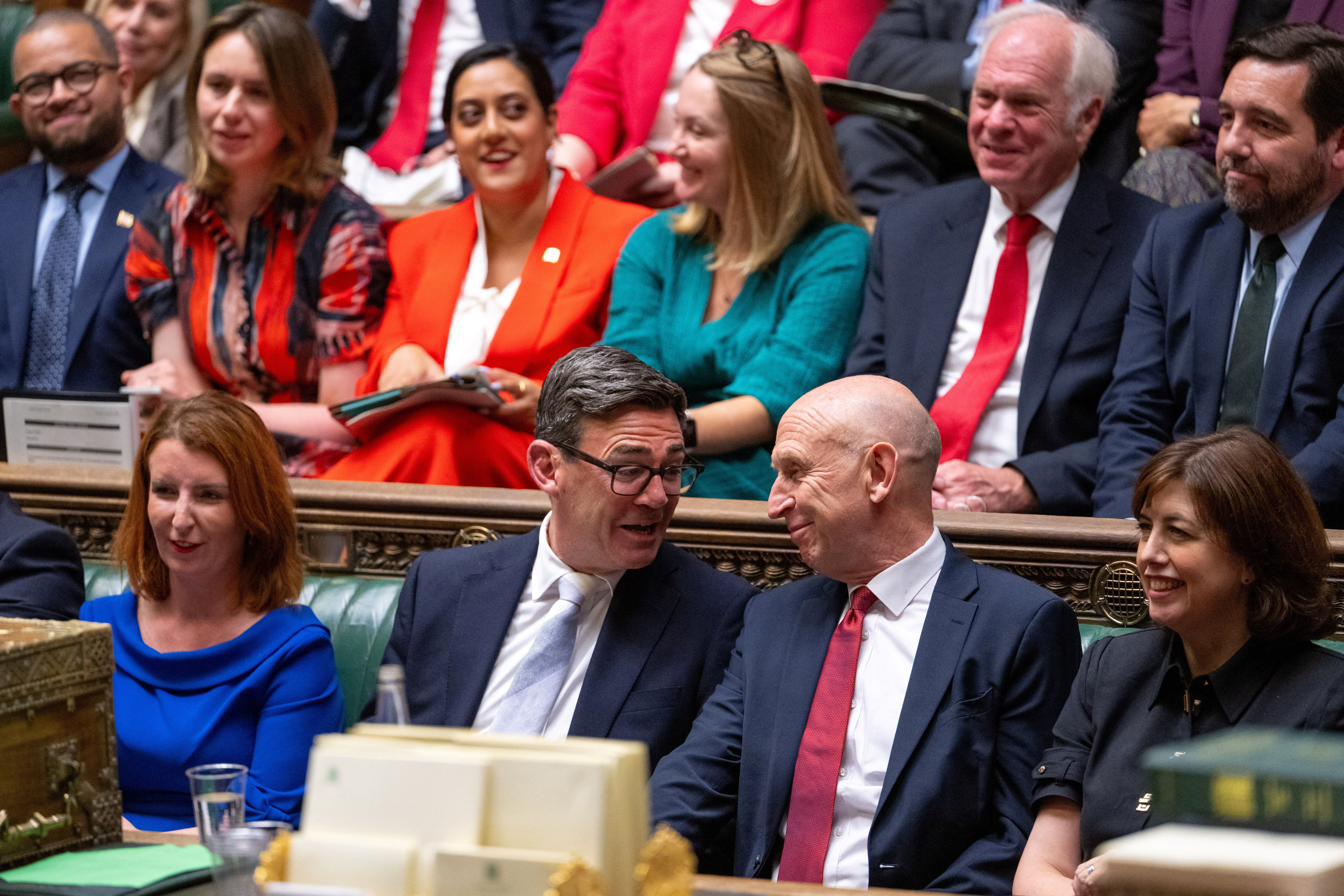
“Interest bills represent the bulk of the government’s overspending relative to tax income, and although that is an inherited situation it now sits in the in-tray of the Burnham-Healey administration,” he said.
“Lower interest rates and lower bond yields would therefore help a lot. In this respect, Mr Burnham’s efforts to ‘take the pressure off’ households and find ways to ease inflation where possible make perfect sense, be it bus fares or subscriptions or energy bills.
“Further down the road, higher taxes or lower spending are options, but they remain poisonous, and growth is the best way out of the debt dilemma, politically, economically and socially.
“If the new government can generate ‘growth in every postcode’ then Mr Burnham will hit upon the best solution, as that will raise taxation income and cut welfare spending, but it is not easy to do – many previous governments have tried, after all.”
What can be done to lower the yields?
There are limited options to bring yields down. As recently as last month, US treasury secretary Scott Bessent surprised many by expanding a buyback programme on bonds – America repurchasing its own debt – to drive down the jumping yields. It worked, but only briefly and a small amount, before the yields shot higher once more.
The United States’s 30-year yields are now higher than before he started the buyback, which is a clear signal that the wider market cannot be easily reined in by a single factor or government.
It is, unfortunately, very likely a case of absorbing those costs by making allowances or changes elsewhere, until markets are calmed and repurchases begin once more, bringing yields back down.
“Burnham could try to reassure markets by doubling down on the fiscal rules, but his previous stance of finding ‘flexibility’ within the rules makes this very unlikely,” Mr Raymond added.
“Outside of that, setting out clearer spending priorities, or demonstrating how the growth agenda will improve the UK’s finances over time, could help, but none provide an overnight solution and bond markets clearly expect more borrowing to come, so it would take a lot of reassurance to settle them.”