






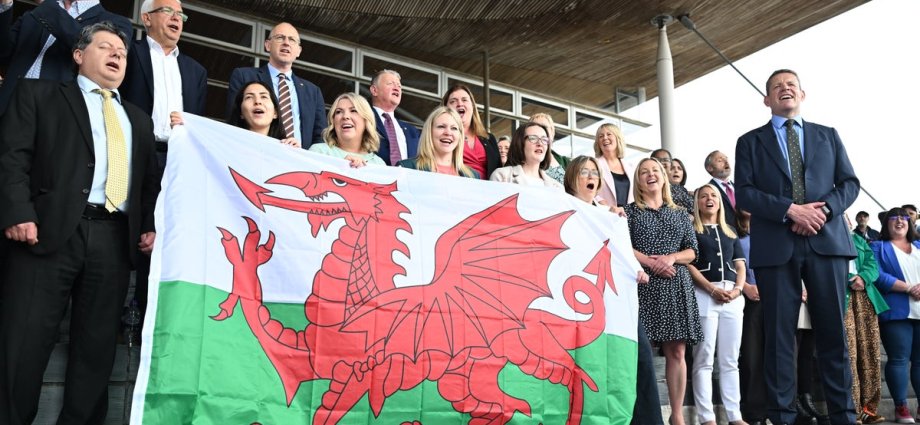
Wales knew a political earthquake was coming, but when it struck, in May this year, the country’s 3 million residents were still left reeling by the result.
Labour was dealt an astounding defeat in the Welsh election, losing their grip on the Senedd for the first time in 26 years. With the party reduced to just nine Members of the Senedd (MS), the chamber has gone from being overwhelmingly Labour red to a mix of the green of Plaid Cymru and the light blue of Reform UK.
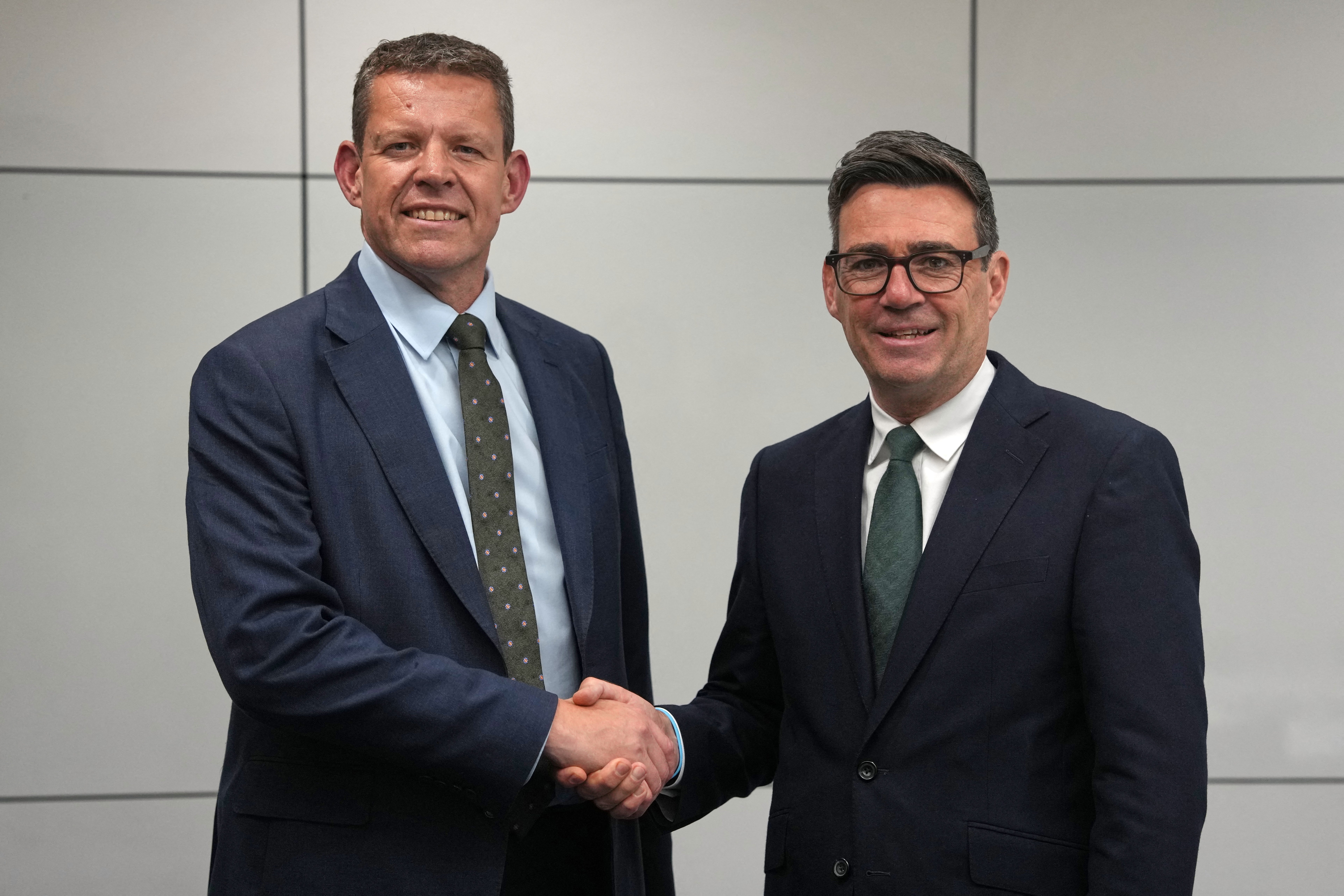
Welsh nationalists Plaid Cymru and their leader Rhun ap Iorwerth have established a minority government, with Nigel Farage’s “insurgent” party holding a third of the chamber, in what is their strongest foothold in regional politics.
But these two parties are not natural bedfellows, and there have been explosive rows, walkouts and even tears in the first 100 days of this new-look Welsh government.
Plaid are proud champions of the Nation of Sanctuary scheme for refugees, hope to invest more in social care and push for greater devolved powers – with the eventual goal of an independence referendum. Meanwhile, Reform are staunchly anti-immigration, wish to slash public spending and firmly believe in remaining part of the UK.
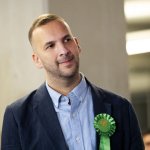
Describing the last three months as a “pretty wild ride”, Reform MS for Caerdydd Penarth Joe Martin said his party has “definitely made our mark” in forming the main opposition.
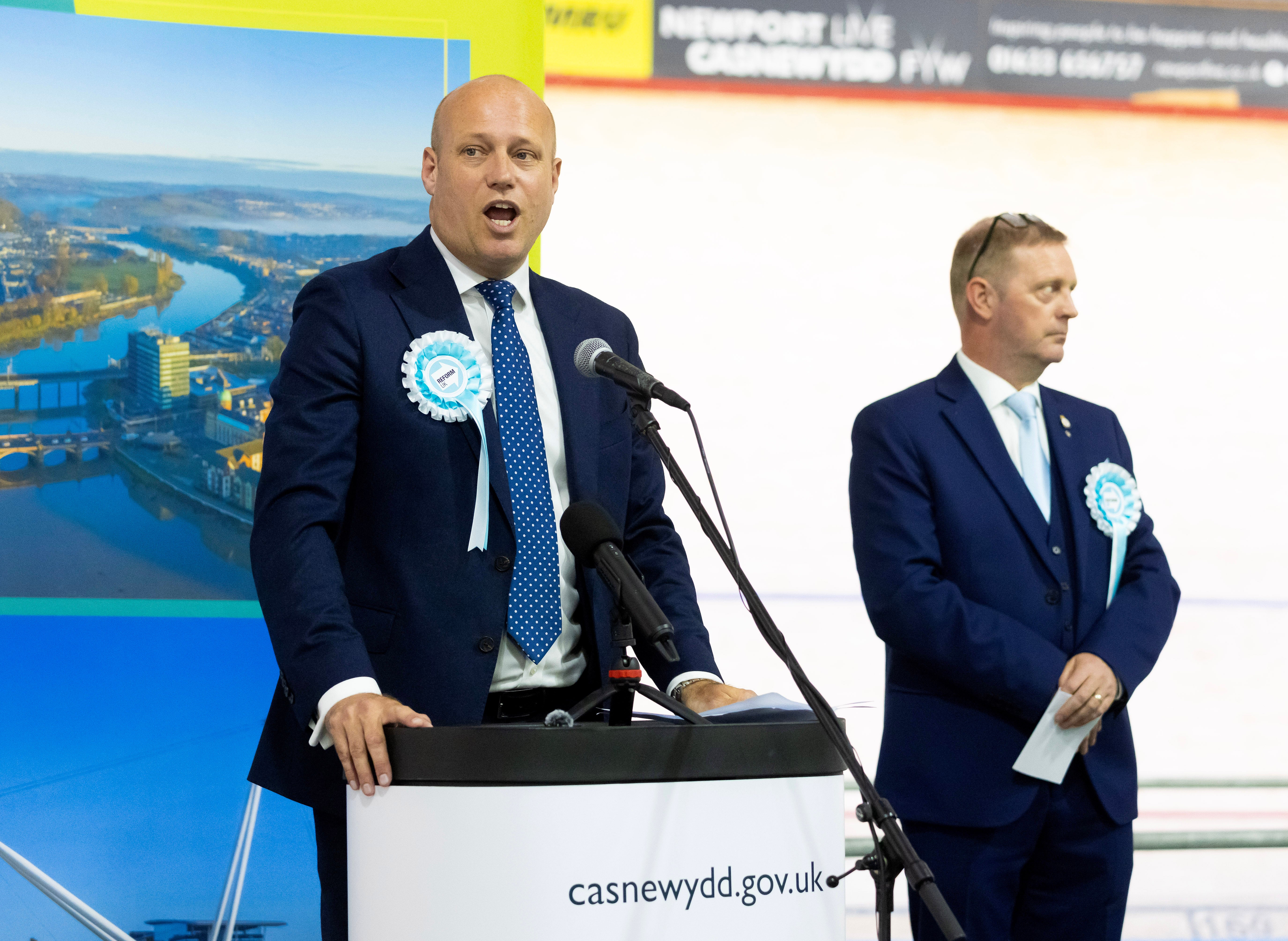
“Plaid Cymru have a lot of crazy, radical ideas and it’s our job to oppose this,” he said. “The example of this would be their push for independence. Our position has been really clear on devolution – we want to see Plaid doing a good job with the devolved powers they already have.”
In June, Mr Martin was at the centre of a controversial debate over Wales’ “pointless” international spending, and the rate of illiteracy in the “underfunded” Welsh education system. During one exchange, he joked that he had tried to ask Welsh students for their opinion, but had received no response given that they could not read.
As a result, members of Plaid Cymru, Labour and the Green Party walked out in protest. He has also been rebuked by the presiding officer of the Senedd after a speech in which he claimed attacks from Sudanese asylum seekers were “inevitable”, which left one Labour MS struggling to hold back tears.
Asked about Reform’s unabashed approach to the debating chamber, Mr Martin said: “The support for what I’ve said has been overwhelming and that shows that there has been a massive demand for a new party to say what the average person is thinking.
“I stand by the way I said it but I think ridiculous ideas need to be ridiculed.”
Reform is now chairing five out of the 13 Senedd committees, including the climate change, environment, sustainability and rural affairs committee. Its chair, James Evans, is a Conservative party defector who has previously said that rural Wales is “under attack” from green energy infrastructure, and that Reform would ban new onshore windfarms.
Mr Farage and his closest allies are also long-term climate change sceptics, and have previously pledged to scrap net zero and have described its policies as “lunacy”.
Professor Laura McAllister, a professor of public policy and governance of Wales, said: “It’s hard at this stage to gauge the approach Reform party chairs will take in each of those committees.
“What will likely happen, and this is very much an observation on how politics has worked since May, is that we see in Reform exactly what they are – an insurgent movement that is trying to translate itself into a party.”
She added that they had a “eclectic group” of 34 MSs with the majority sharing no previous experience of politics, although Mr Martin points out that many have arrived with years of experience in the private sector.
While they have been successful in gaining cross-party support in motions such as tackling bovine TB and calling for a statutory register of lobbyists, other headlines have suggested an element of confusion within the party. In June, 11 Reform MSs voted to effectively criticise their own party, when Plaid Cymru tabled a motion to say that they had no commitments to tackling childcare.
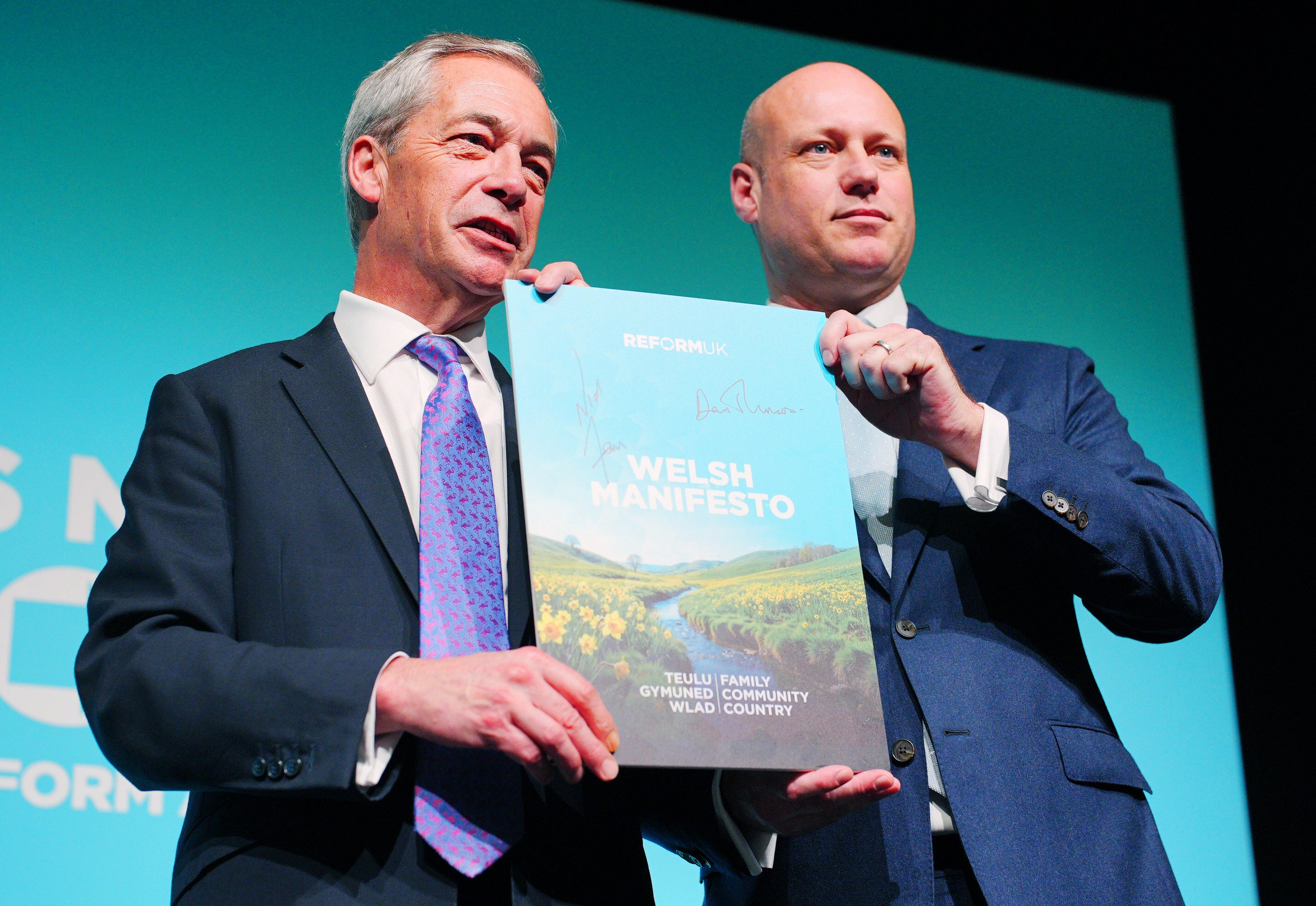
The selection of their leader Dan Thomas also attracted controversy. A former London council leader who twice stood as a Conservative parliamentary candidate, Mr Thomas only entered frontline Welsh politics three months before the election after he was personally selected by Mr Farage.
Despite winning the election, it has not all been smooth sailing for Plaid Cymru either, with their supplementary budget failing to pass in July before the summer recess.
A row with Labour emerged over funding plans for the education of children with additional learning needs, with Plaid failing to secure enough support to pass their spending plans.
Plaid’s finance minister Elin Jones said she was “flabbergasted” at Labour’s stance, and accused the party of behaving as a “destructive opposition”.
Professor McAllister said: “The supplementary budget is less significant, although it is symbolic that it wasn’t able to pass because it’s the first time it has happened.
“Ahead of an autumn/winter budget, Plaid needs to be much more clearer about where it’s concessions are coming from.
“They need to be more strategic about that to avoid a standoff in a budget debate, because that would be a disastrous look. It’s about the actual constitutional implications. If a budget can’t be passed then a further general election has to be forced.”
Mr ap Iorwerth had campaigned with a 100 day plan, which would see restrictions announced on smartphone use in schools, strategic reviews across public services, cutting waiting lists and ambitious childcare plans.
In September, he will be under pressure to deliver. After nearly three decades of Labour, with a struggling economy and the worst poverty, health and education standards in the country, the Welsh public made clear in the election that change is needed – and fast.