










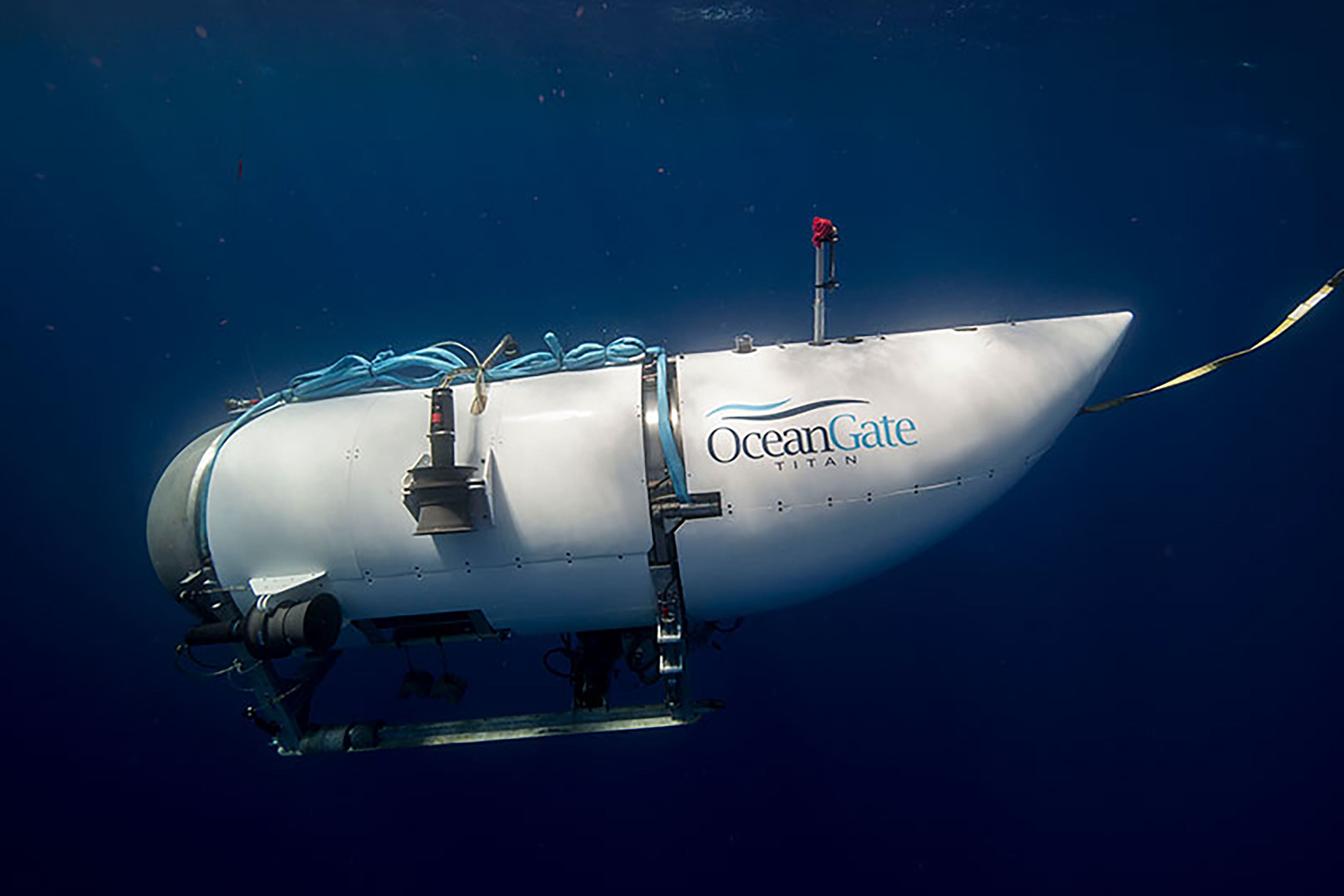
When most people think of submarines these days, they probably recall the 2023 Titan disaster. The submersible vessel suffered a catastrophic implosion 3,500 meters below the surface of the Atlantic Ocean in its attempt to visit the husk of the Titanic, killing all five people on board.
The tragedy greatly diminished Americans’ interest in submersibles and actually fueled greater fear of traveling to the ocean’s dark depths, resulting in an inquiry by the U.S. Coast Guard and leading the exploration company OceanGate to shut down operations.
But pioneering ocean conservationist Dr. Sylvia Earle — the first person to walk untethered on the deep seafloor, who lived underwater for seven months on a research project — is trying to change that.
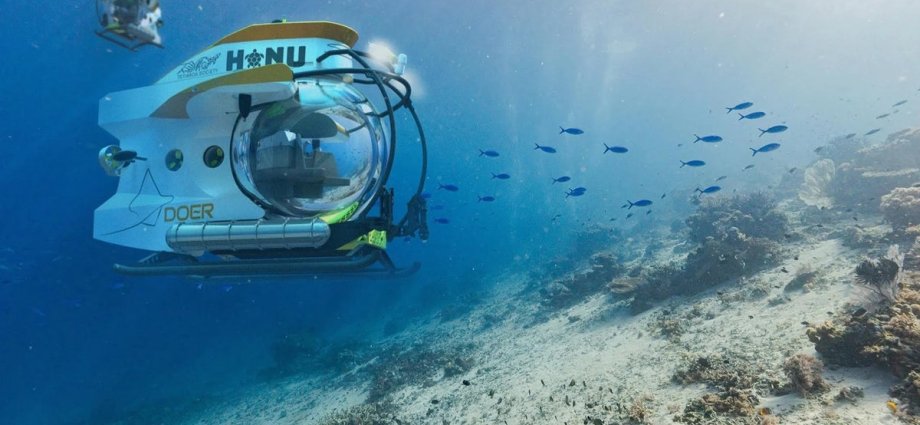
Her company DOER Marine, which designs underwater vehicles, has been working on a new class of submersible. The sub, named “Honu” after the Hawaiian word for turtle, will make its first dive in French Polynesia later this year, and can send three passengers 1,000 meters deep for eight hours at a time.
Earle firmly believes that going to great depths in a sub is “safer than flying” as long as companies are “certified by agencies who are in business to make sure you stay safe —unlike that little submersible that tragically didn’t come back from a trip to the Titanic.”
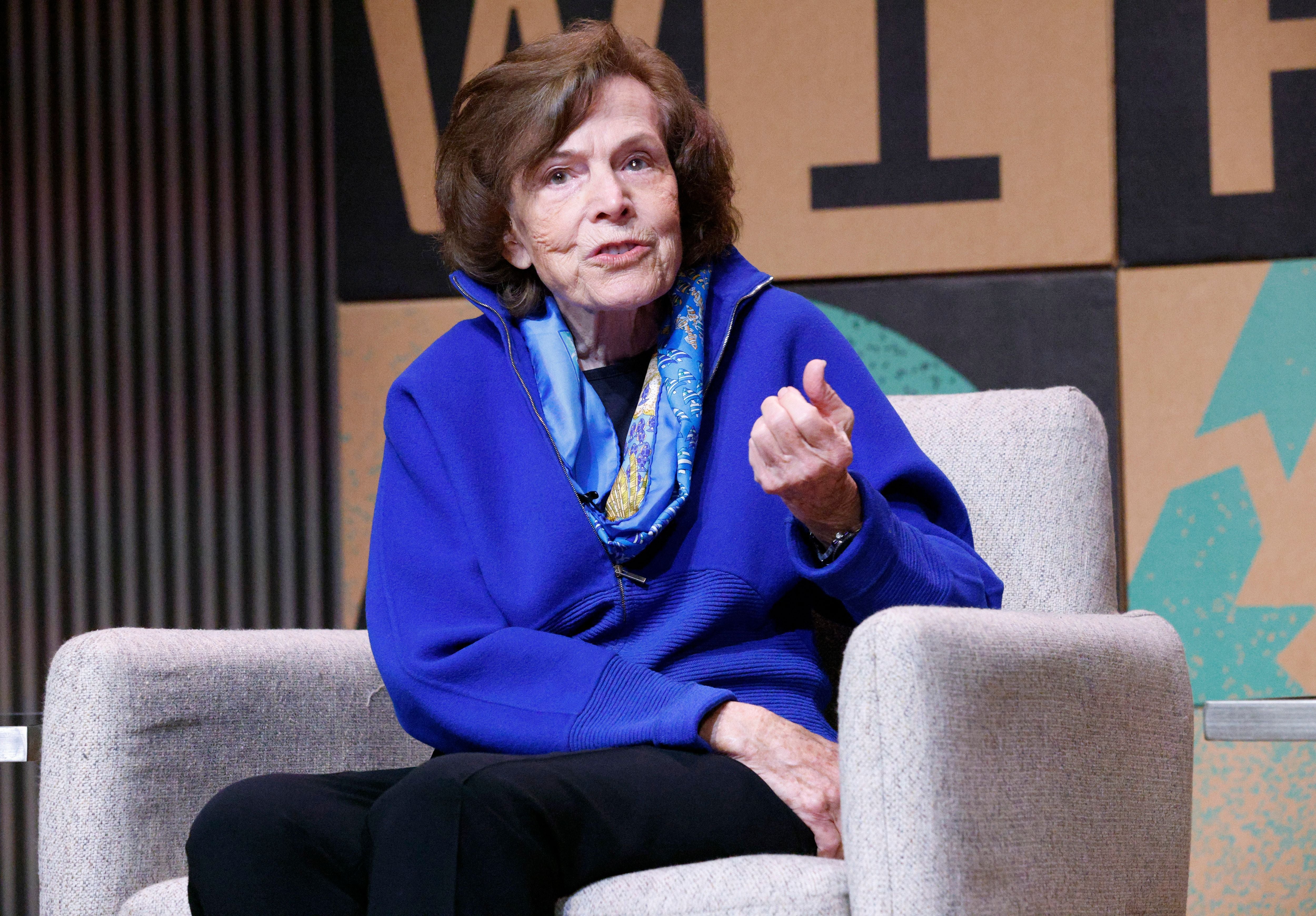
In a wide-ranging interview with The Independent, the 90-year-old deep-sea expert discussed her connection to the ocean and what humanity can do about threats to our health.
Earle made history as the first female chief scientist at the U.S. National Oceanic and Atmospheric Administration in 1990 and was one of the four women who lived underwater in the U.S. Virgin Islands Tektite II experiment in 1970.
But it all started on a beach in southern New Jersey. That’s where she first fell in love with the water, an obsession further fueled later on while diving in Florida.
“I first met the ocean when I was 3,” Earle recalled. “My parents had a family vacation on the Jersey Shore. And I remember first hearing the ocean, the waves crashing on the beach, and there was a certain smell that I had not noticed before.”
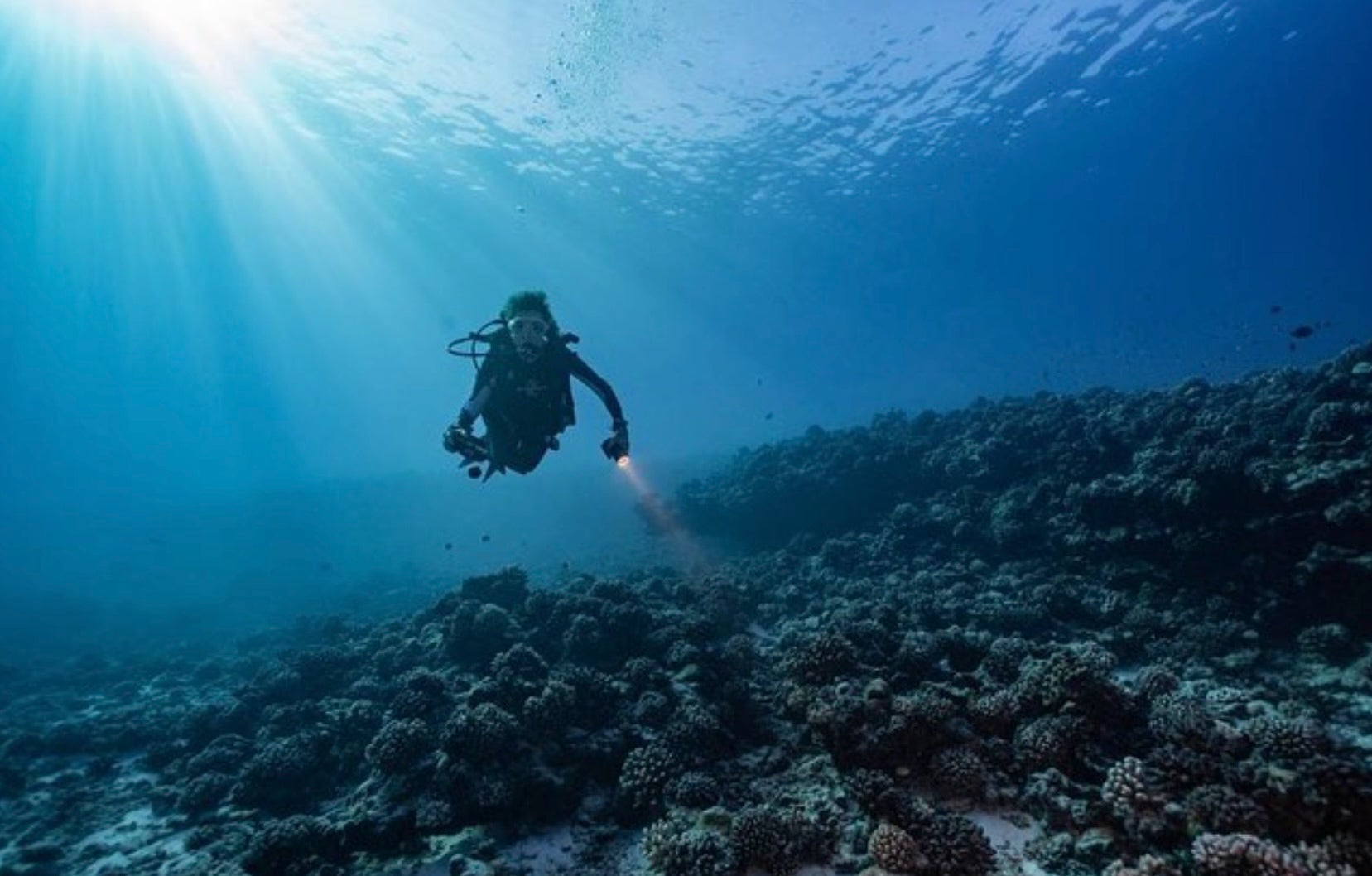
She still dives in the Gulf of Mexico and offshore of the Flower Garden Banks National Marine Sanctuary near the Texas and Louisiana coastline.
There’s a coral reef there, teeming with life about 80 feet below the ocean’s surface.
Diving is something pretty much anyone can do, Earle said. Her mother waited until she was 81 to try it.
“So if you’re 81, it’s not too late. If you’re 91, it’s still not too late. If you’re alive, it’s not too late,” she explained. “And if getting into the water really isn’t your thing, get into a submarine.”

While there have been major strides in rocket technology that could one day transport humans to Mars and the farther reaches of the solar system, submersibles are the route to the largely unexplored deep ocean. Although more than 70 percent of the planet is made up of ocean, only .0001 percent of the deep ocean has ever been observed by scientists – leaving many mysteries to uncover about most of life on Earth.
That’s why conservation is so important, Earle stresses.
“The ocean is alive, but we humans have done our best to try to change that, to take life out of the ocean and market it, or to consume it, without understanding that the value of a fish alive greatly exceeds the value of a fish dead, now when half are already gone,” she said.
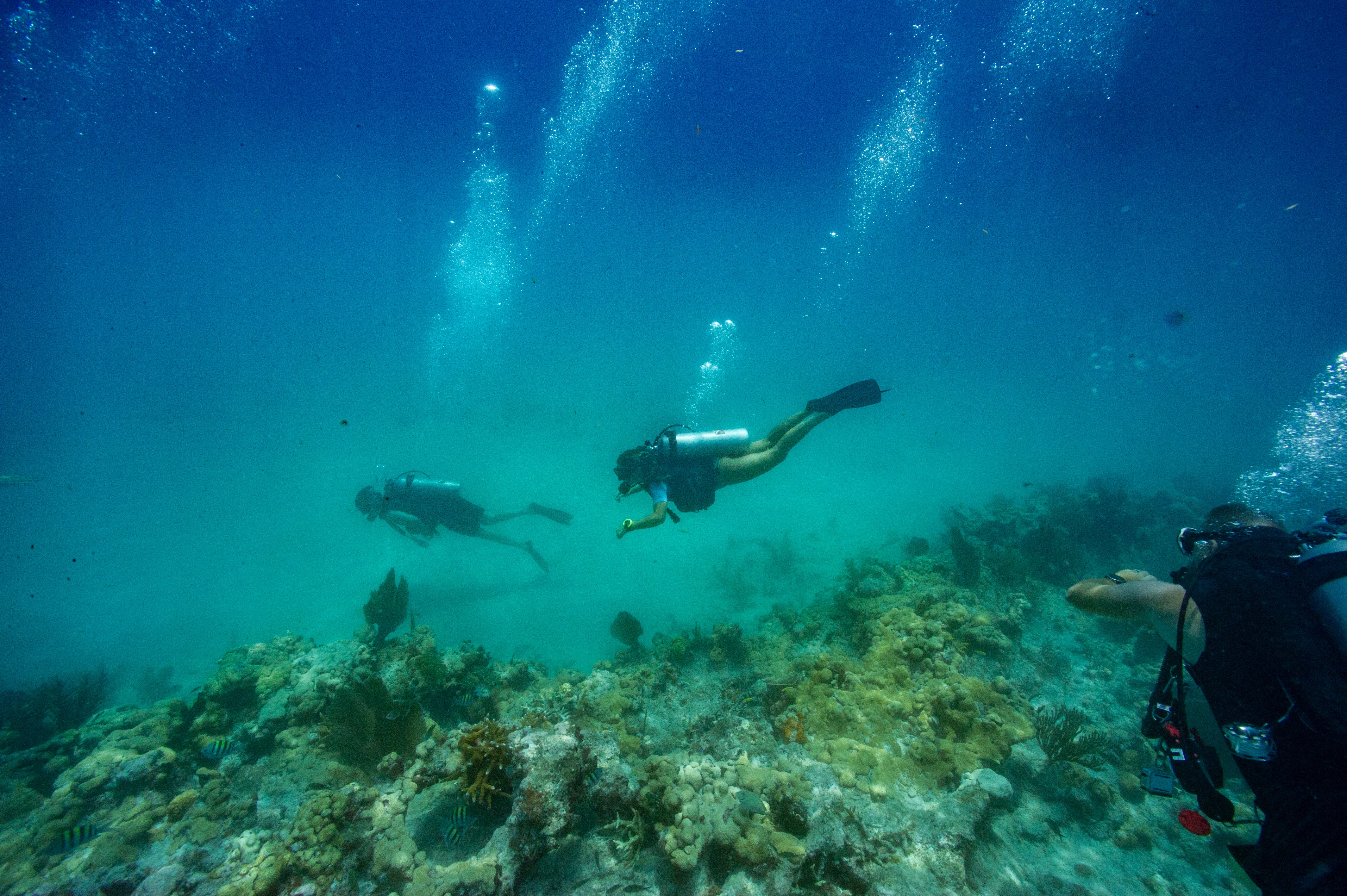
Human greed has led to the loss of about half of coral reef ecosystems that support healthy oceans.
“It’s just kind of disheartening to realize how one species — that would be us — how dreadfully effective we have been at eliminating the very fabric of life that is essential for our existence,” Earle said.
New threats continue to emerge each month. The Trump administration is moving to open up protected waters for deep-sea mining near American Samoa, weaken protections for Pacific marine monuments that support tourism and approve a $5 billion oil drilling project in the Gulf of Mexico.
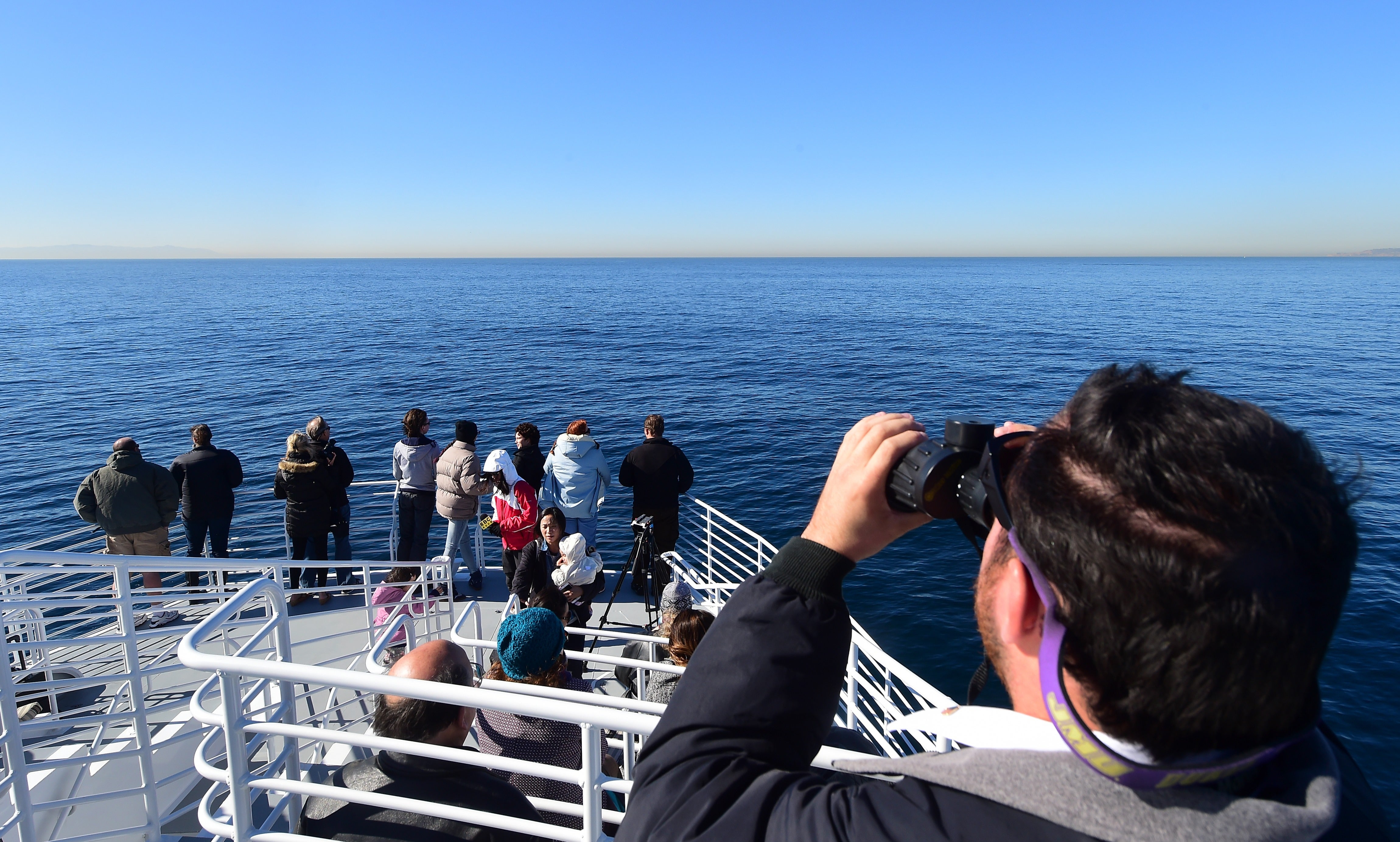
Conservationists and environmental activists say that these actions will harm some of the most beloved marine species, like the humpback whale and green sea turtle, as well as those we rely on for food.
The ocean’s health is crucial for Earth’s survival. For one, oceans produce most of the oxygen we need to breathe. And oceans serve as a critical carbon sink, taking in much of the pollutants we release into the atmosphere that are warming our planet.
The energy industry has endangered that balance, Earle pointed out, with just 3 percent of the ocean safeguarded.
“We have been pushing the envelope. We are perilously close to tipping in the wrong direction,” she warned.
“But the good news is the kids are growing up knowing we’ve got problems. But they also know there are solutions and that on their watch, our watch right now, this is the best chance we have ever had as a species to shape the world we want, not just the world we get,” Earle added.