










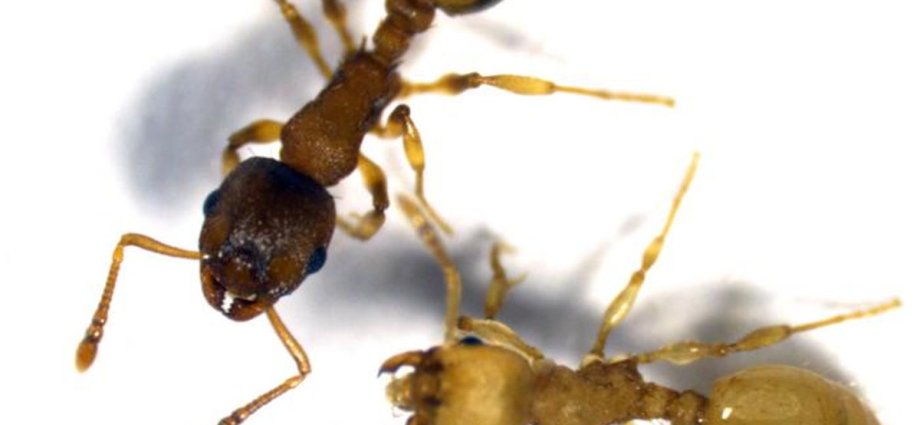
A tapeworm has been found to reshape ageing and behaviour in worker ants, making the infected live nearly 10 times longer and to adopt queen-like features, a discovery that reveals how parasites may affect longevity.
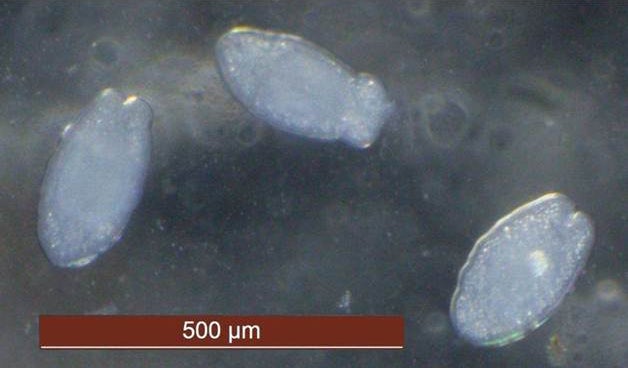
The worm, Anomotaenia brevis, develops fully in woodpeckers, but ants serve as intermediate hosts.
Previous studies have shown that the queens of the ant species Temnothorax nylanderi live for up to 20 years, while workers usually live only one to two years.
However, once infected, ants of the species live several times longer than their uninfected nestmates, bridging the gap in lifespans with their queens, researchers found.
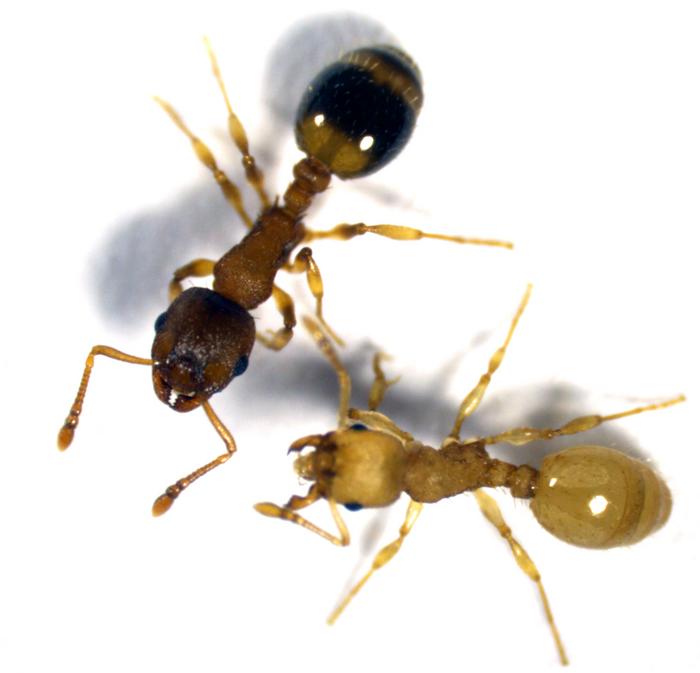
The infected ants become less active, and their metabolism becomes partly more similar to that of queens, according to the study.
“Queens and workers of social insects share the same genetic basis, but differ greatly in lifestyle and lifespan,” explained Susanne Foitzik, an author of the study published in the journal BMC Genomics.
By living a less active, longer life, the ants seem to promote further transmission of the tapeworm, scientists say.
In the study, researchers examined three groups of ants from the Lenneberg Forest near Mainz, including queens, workers infected with the tapeworm, and uninfected workers.
They dissected and closely assessed the ants’ brain and abdomen tissue to gain insights into their metabolism and immune system.
Scientists also analysed the genome data of both the tapeworm and the ants.
“Our genetic analyses show that the infection does not simply make the ants sick, but alters their physiology in a highly targeted way,” said Susanne Foitzik, an author of the study from Johannes Gutenberg University Mainz.
Researchers found that the infected workers had a profile of gene activity that was “partially queen-like” and get “royal treatment” from their uninfected peers.
Genes linked to metabolism in the ants’ guts, including those behind the immune system, stress resistance, and ageing, were active in the infected workers.
In comparison, gene activity in the brains of the infected workers was much less similar to queens.
“The effect of the infection is therefore tissue-specific,” explained Giulia Blasi, another author of the study.
“These tissue-specific responses suggest that infection primarily engages conserved ageing and metabolic networks and stabilises infected worker physiology in a manner that partially resembles the queen phenotype without recapitulating queen-like neuronal profiles,” researchers wrote.
Scientists found that the tapeworm influences the ant by intervening in the host’s gene activity patterns.
They suspect it does so mainly to evade the host’s immune system, but in the process it alters their metabolism, immunity, ageing, and behaviour.