











The widow of police officer Andrew Harper has said it is “deplorable” that two of his killers are being considered for early release, as new prime minister Andy Burnham promised to review Labour’s policy after a backlash.
Lissie Harper – whose 28-year-old husband died after getting caught in a strap attached to the back of a car as three teenage suspects fled the scene of a burglary in 2019 – accused politicians of “making decisions from behind a desk that will have real and lasting consequences” for the families of victims.
News that two of his killers could be released halfway through their sentences sparked fury after PC Harper’s mother said such a move was an “insult”.
In response, the prime minister said he wanted to make sure “everything has been looked at” before the policy, introduced under Sir Keir Starmer, goes ahead as planned in September.
He told reporters in Bath: “All I can say is I will review the whole of this policy. Nobody can deny the pressure on prison places.
“But I want to assure myself that everything has been looked at before this policy proceeds, and I can give that assurance that every single part of this I will look into with the justice secretary.”
Henry Long, then aged 19, was sentenced to 16 years while Jessie Cole and Albert Bowers, both 18 at the time, were handed 13 years in custody in 2020 for PC Harper’s manslaughter.
Earlier on Wednesday, transport secretary Heidi Alexander confirmed that Long, the driver of the car, would not be eligible for automatic release, but his two passengers could be.

Responding, PC Harper’s wife said: “It has taken me years to rebuild a life that was torn apart in a matter of moments. Years to pick up the pieces left behind by three men whose actions robbed Andrew of his life and stole our future.
“Now – once again – politicians are making decisions from behind a desk that will have real and lasting consequences for victims’ families like mine.”
She added: “It is deplorable to me that we have reached a point where releasing prisoners early is even considered acceptable. We speak of justice, accountability and standing with victims, yet decisions like this do the opposite.”
The chief constable of Thames Valley Police, Jason Hogg said it “feels wrong” for the killers to leave prison early. If they were being sentenced today, they would be handed life sentences under Harper’s Law, which was introduced in 2022 following a campaign from the officer’s family.
Under the new act introduced by Labour, an estimated 6,000 criminals will be eligible for early release from September to serve the rest of their sentence on licence in the community, including a major expansion of electronic tagging.
Referring to concerns from the family of PC Harper about their early release, the new prime minister said: “I feel for the family, it’s an appalling crime that was committed. The main perpetrator will not be subject to any early release. Of course, others involved have potentially been identified.
“But I’ve spoken to the new justice secretary. He will review the policy together and make further statements in due course.”
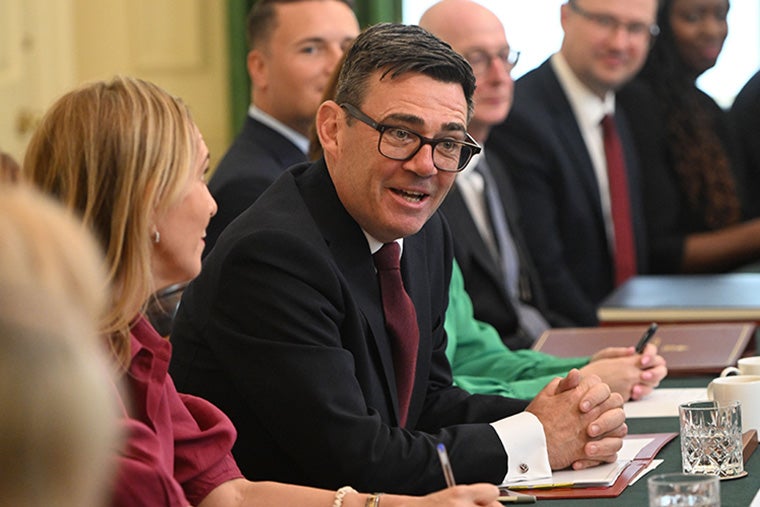
Conservative shadow justice minister Nick Timothy said it would be “shameful” if PC Harper’s killers were released early, adding: “Victims should not have to live in fear all summer waiting for a review.”
Prison overcrowding has forced successive governments into making emergency releases, with the Conservative administration’s End of Custody Supervised Licence scheme, launched in 2023, releasing over 10,000 inmates between 18 and 70 days early.
This was followed by Labour’s SDS40 scheme, which has seen 56,323 offenders released after serving 40 per cent of their prison term between September 2024 and December 2025.
Reforms in the Sentencing Act came after prisons came close to running out of space entirely last year, risking the “total breakdown of law and order” which would leave police unable to make arrests and courts unable to send offenders to custody, the then justice secretary Shabana Mahmood said.
It is based on a package of measures set out in David Gauke’s Independent Sentencing Review, which urged the government to take “decisive action” to ensure they are never forced to rely on the emergency releases again.
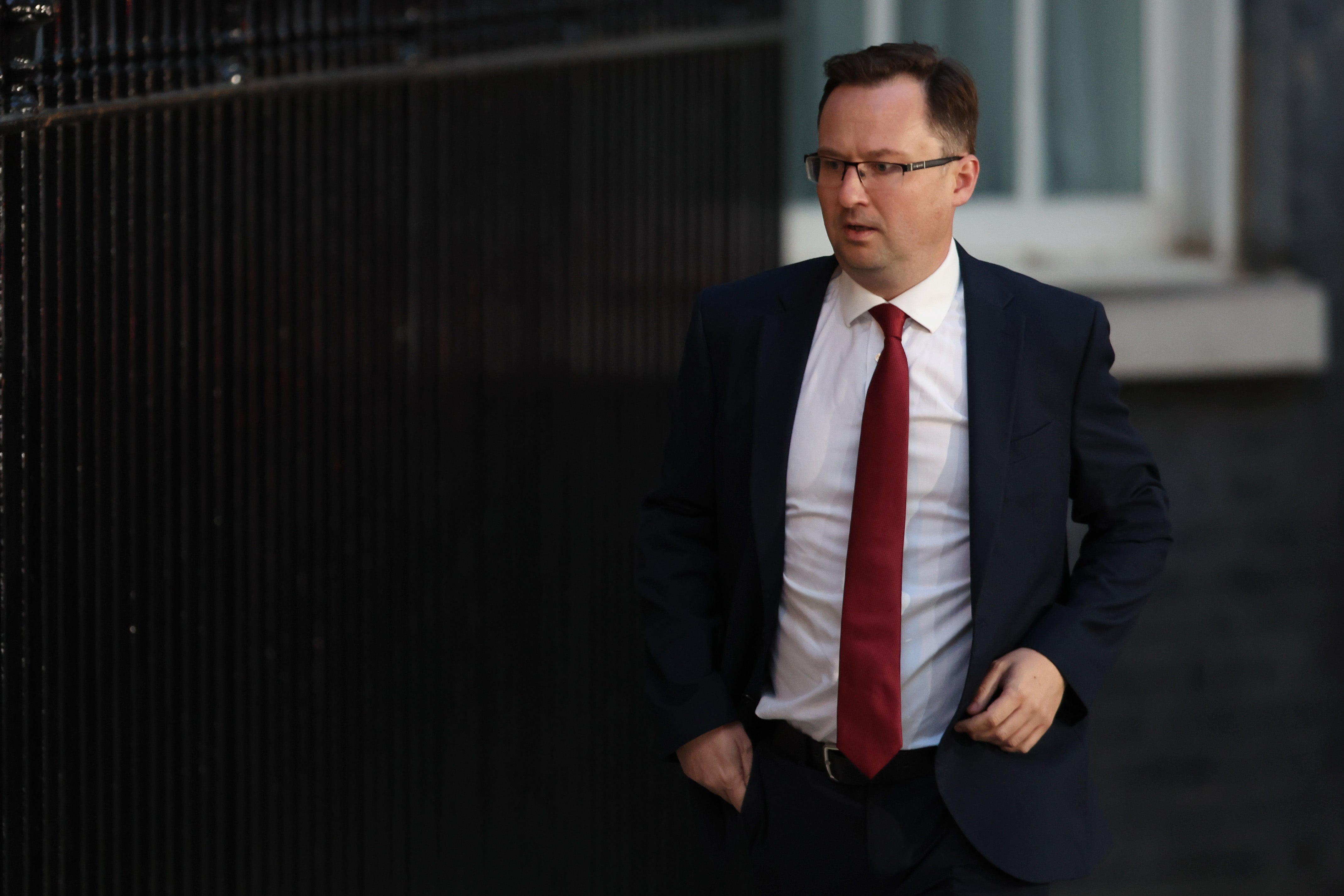
Unlike SDS40, the Sentencing Act reforms do not exclude those convicted of sex offences, domestic abuse and serious violent offences. However, those serving life sentences, extended sentences and imprisonment for public protection (IPP) jail terms will not be eligible.
Those on standard determinate sentences could be released after a third of their sentence if they behave in prison, but extra days can be added if they break prison rules. They would serve another third under supervision in the community and the last third on licence, facing recall if they reoffend.
Serious offenders jailed for four years or more could be released into supervision at the halfway point.
The measures were broadly welcomed by prison reform experts, who say average sentence lengths have roughly doubled over the past 50 years. However, there have been calls to ensure overstretched probation services are resourced to deal with the surge in offenders in the community.
Pia Sinha, chief executive of the Prison Reform Trust, said, while the concern felt by victims and their families is understandable, the prison population crisis “has not gone away”.
Andrea Coomber, chief executive of the Howard League for Penal Reform, warned there is “not a lot of room to manoeuvre” without risking the total breakdown of law and order.
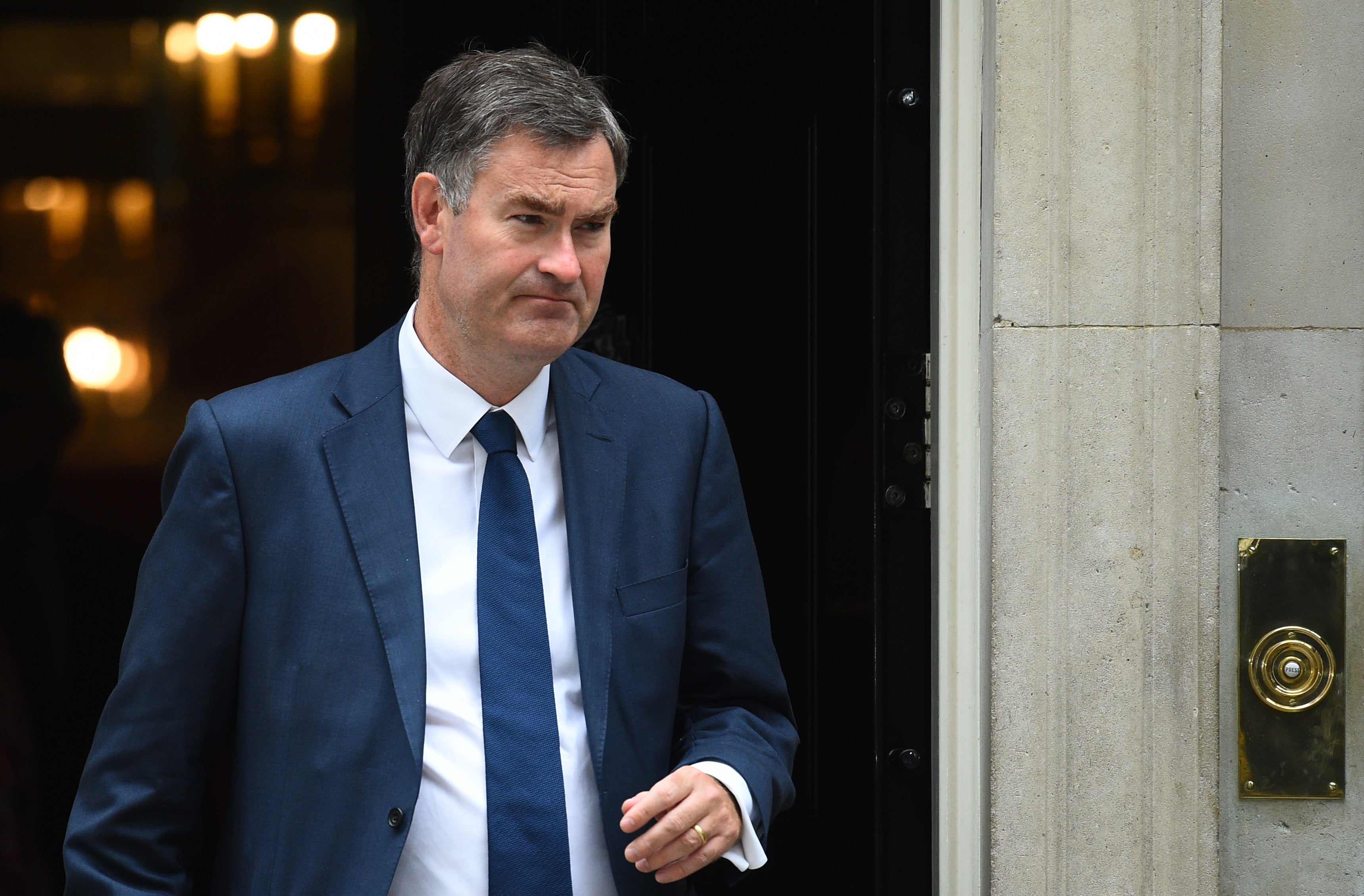
“Successive governments have allowed sentence inflation to run rampant – people are getting longer and longer sentences and the prison places to accommodate them simply do not exist,” she added. “The best answer to this challenge would be for Andy Burnham’s government to reverse sentence inflation and create a safer and more sustainable prison system.”
However, victim’s commissioner Claire Waxman said the prime minister’s review of the scheme provided an “important opportunity” to ensure safeguards were in place.
Earlier on Wednesday, defence secretary Wes Streeting was forced to apologise after he was caught on camera joking about the scheme.
In a video, published by the news website Guido Fawkes, new justice secretary Alex Norris can be seen walking towards Mr Streeting and home secretary Shabana Mahmood.
Mr Streeting can then be heard calling Mr Norris “the enemy now”, adding: “He wants to let them all out.”
He later apologised, saying: “I hope everyone can see there was no ill intent behind this ribbing of the new justice secretary, it was a reference to an old May/Clarke joke.”
Asked if it was acceptable for members of his cabinet to joke about early release, Mr Burnham said: “No, it’s not, and certainly that’s been acknowledged, and apologies have been made.”