




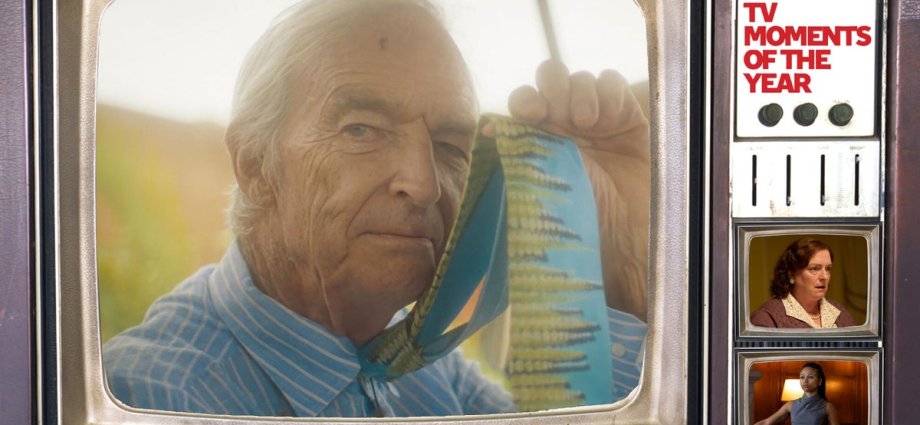
The Independent is celebrating the biggest TV moments of the year so far, from the ones that got the nation talking to the scenes that moved us or made us laugh. In a series of articles running this summer, insiders share the part they played in making them happen.
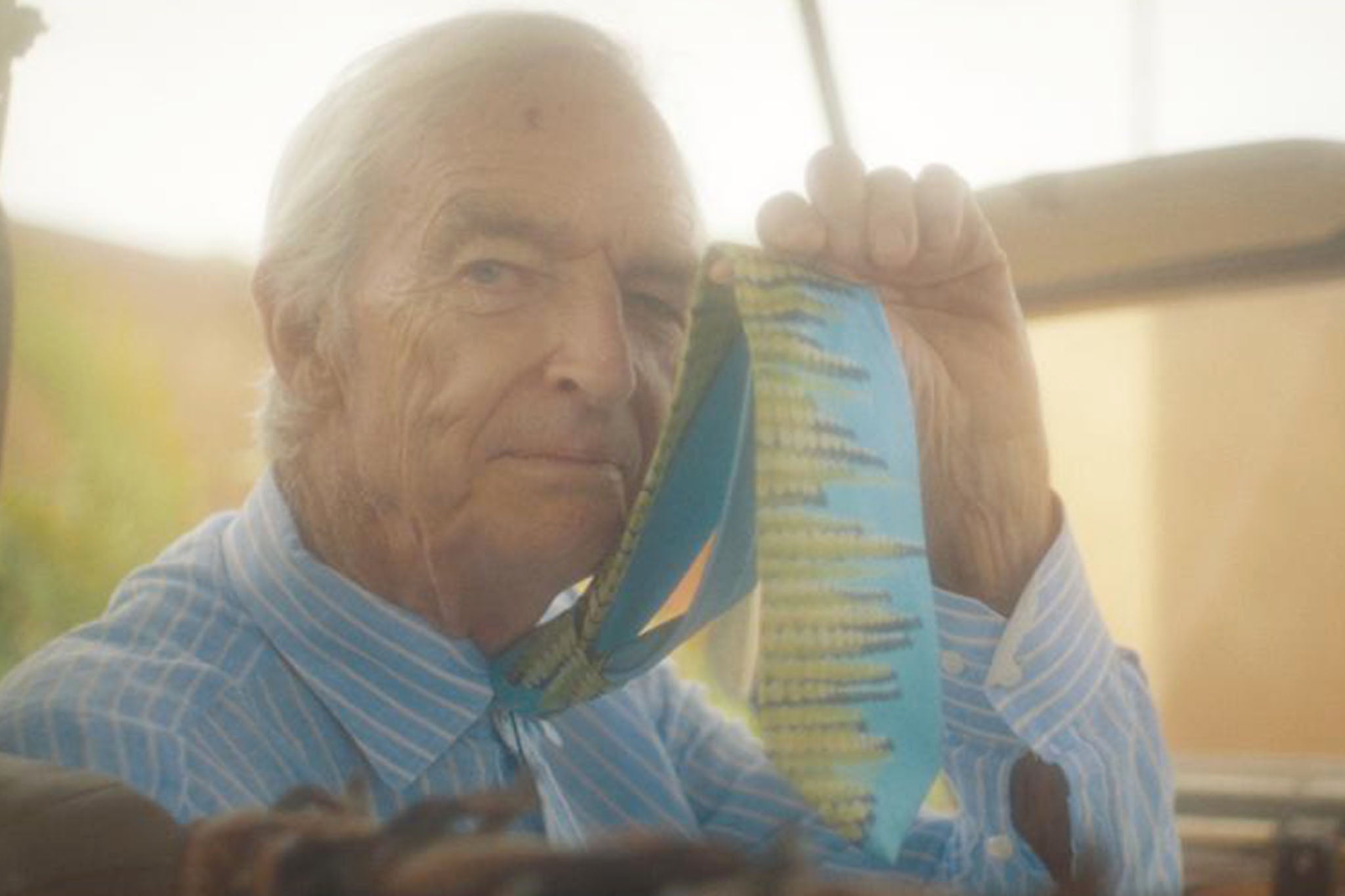
He’s spent over half a century on our screens, and is one of the most revered broadcasters of his generation. As the face of Channel 4 News, where he worked for 32 years, he covered everything from the fall of the Berlin wall to Barack Obama’s inauguration. He interviewed Nelson Mandela straight out of prison, and faced down Margaret Thatcher no fewer than 20 times. So to see Jon Snow sitting in a doctor’s surgery, and struggling to remember the three words – “bus”, “door” and “rose” – that had been spoken to him mere moments earlier, came as a real shock.
The veteran journalist had invited the camera into that most intimate of settings for his film Jon Snow: A Last Big Story, a documentary that charted the devastating impact that Alzheimer’s is having on his brain. But he’s still got a nose for a story. While making the film, Snow stumbled on a scoop: the cover-up of a mining disaster that was destroying land and water in Zambia. Suddenly, the film became something else. It was not only a study of a man coping with a cruel condition, but a report on a scandal that made headlines around the world.
Director Laura Warner reflects on making a documentary that was sad, surprising, and beautiful, and reflected the complex journey Snow is now on.
What it was like to film the doctor’s surgery scene
“It was really difficult to film. It didn’t just land in our laps – it took literally months and months of conversations and negotiations with Jon, his wife Precious, and Jon’s doctors to arrange that scene. It was a genuine doctor’s appointment and Jon has them every six to 12 months. A lot can happen between the appointments so it is really exposing. Precious said, ‘OK, if I allow you to film it, then only you can be in the room and only you and the editor can look at the material. I’ll allow you to choose what will go into the film, and everything else will then be deleted and will never be seen again by anybody.’
“It was very raw. All you see in the film is two or three minutes’ worth of material. But actually it was an hour-long appointment where you really understand the carnage that this disease can wreak on an individual, on their spouse, and on a person’s way of life and their future hopes and dreams.
“It was genuinely really upsetting, because by that point we’d been filming with Jon for a really long time and I knew and loved Jon and Precious a lot, and the realities of the disease are just really harsh. It was probably one of the hardest things I’ve ever filmed.
“There were a lot of other points during the filmmaking where I had to put the camera down and I thought, as a human being rather than a filmmaker: no, now’s the time to look after Jon. Now’s not the time to be filming.”
The doctors were on board straight away
“They understand the benefits of people opening up, because Alzheimer’s is really stigmatising, so people just feel that they want to hide their relatives and hide their loved ones, and they don’t want to expose them, because they feel that it’s embarrassing in some way. But one of the most important things that we all wanted to achieve with this documentary was to say, ‘You can come out, don’t feel stigmatised, don’t feel embarrassed,’ and to also to teach people who don’t have a relative with Alzheimer’s how to talk to people with the condition.”

Watch Apple TV+ free for 7 day
New subscribers only. £9.99/mo. after free trial. Plan auto-renews until cancelled.
ADVERTISEMENT. If you sign up to this service we will earn commission. This revenue helps to fund journalism across The Independent.
Watch Apple TV+ free for 7 day
New subscribers only. £9.99/mo. after free trial. Plan auto-renews until cancelled.
ADVERTISEMENT. If you sign up to this service we will earn commission. This revenue helps to fund journalism across The Independent.
The moving reaction to the documentary
“I don’t think any of us expected it to have such an impact, but everybody has been reaching out to all of us and talking about their family members and the experiences they’ve had. They’ve talked about how they’re going to try and come out a little bit more into society and not be so embarrassed.
“We have a really long impact campaign that we’re working on with the Alzheimer’s Society, and we hope that the film won’t just instigate more work in terms of scientific developments, but it will actually help people come out from behind closed doors, because I think the stigma just kills you, you know? It really stops people with Alzheimer’s from interacting with society, and that really exacerbates the disease, and it does not help carers because they’re stuck behind closed doors just dealing with this, feeling like they’re alone.
“A lot of people who really care about Jon, for all the right reasons, were worried that the film would detract from Jon’s legacy as a war correspondent, a newscaster and a beloved national treasure. So I’m really pleased that actually, now, people have said that this is a really great secondary legacy to have. He has helped a lot of people understand that you should not feel stigmatised for having Alzheimer’s. Don’t hide. Come out.”