










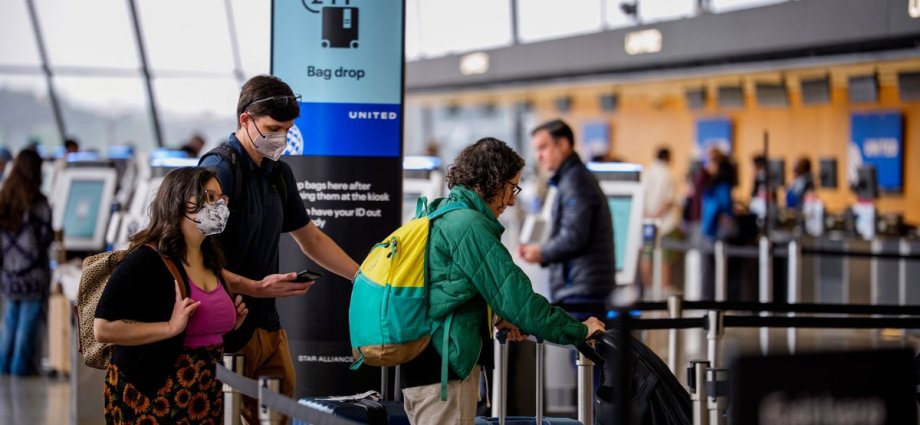
Americans returning from the Democratic Republic of Congo, Uganda or South Sudan now have a second entry point for mandatory Ebola screening.
The US Centers for Disease Control and Prevention expanded its measures to Hartsfield-Jackson Atlanta International Airport on Saturday. The CDC said Hartsfield-Jackson has previous experience in passenger screening and established operational procedures.
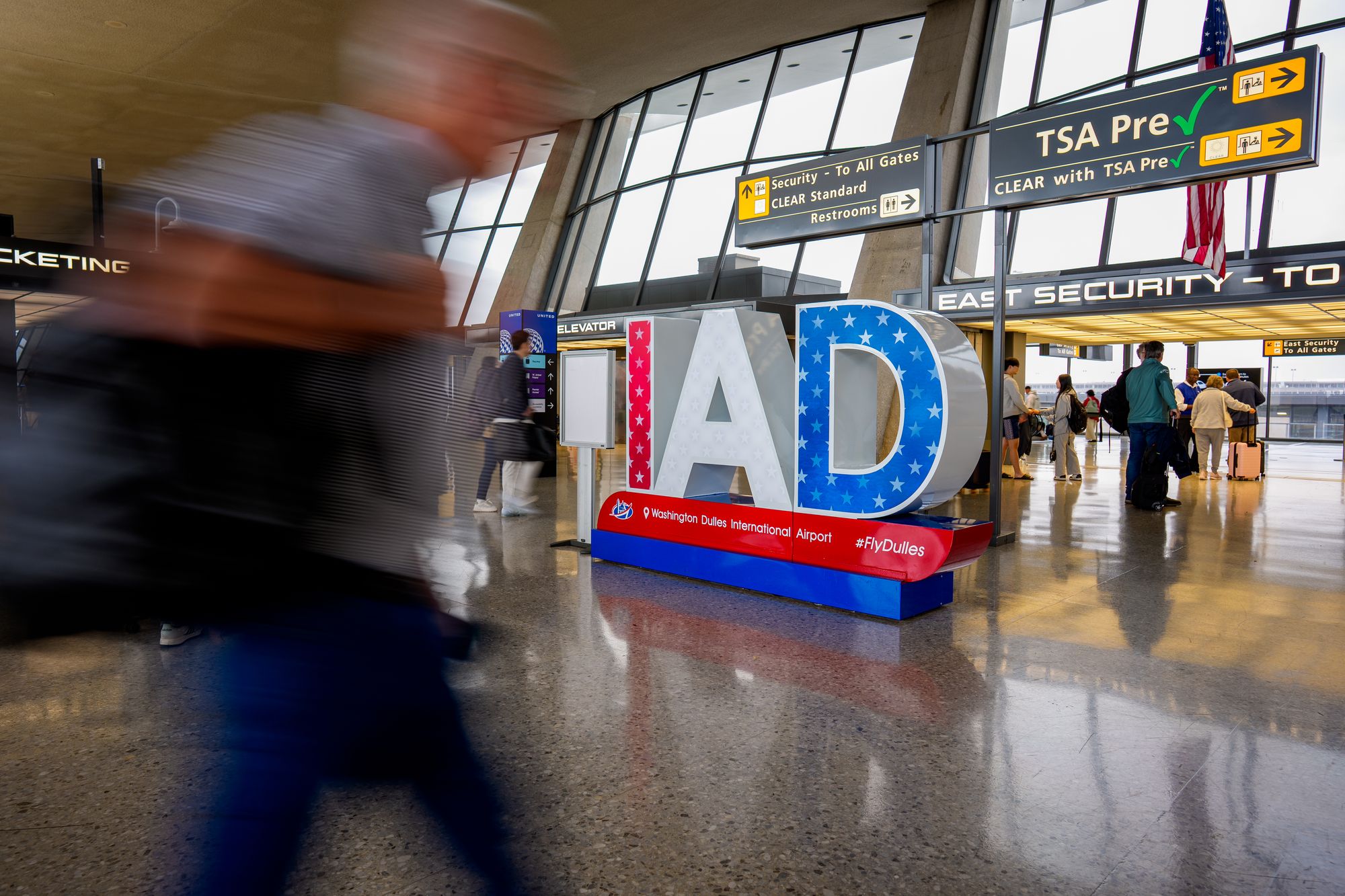
The move comes after Washington’s Dulles International Airport was designated earlier this week as the first site for screening returning citizens for the Ebola virus.
The Department of Homeland Security said all flights carrying passengers who have been in the Democratic Republic of Congo, Uganda or South Sudan at any point during the previous 21 days would be diverted to Washington Dulles International Airport in Virginia.
Enhanced public health entry screening is a key component of the CDC’s broader Ebola approach, which also includes overseas exit screening, airline illness reporting and post-arrival public health monitoring.
The World Health Organisation reports 82 confirmed cases in the DRC and seven confirmed deaths, along with 177 suspected deaths and almost 750 suspected cases linked to the Bundibugyo strain of Ebola.
The strain, for which no vaccine exists, has an average fatality rate of about 40 percent, according to WHO.
Earlier this week, the Trump administration banned non-citizens who had travelled to the DRC, Uganda, or South Sudan in recent weeks from entering the United States.
Also this week, U.S. border officials forced an Air France flight to divert to Canada after it was discovered that a passenger from the DRC was onboard.
“Air France boarded a passenger from the Democratic Republic of Congo in error on a flight to the United States,” a CBP spokesperson told The Independent. “Due to entry restrictions put in place to reduce the risk of the Ebola virus, the passenger should not have boarded the plane.”
Ebola spreads person-to-person through bodily fluids. It damages blood vessels, which can lead to life-threatening symptoms such as excessive bleeding, vomiting, organ failure and more.
A former CDC director has warned that the outbreak in Africa could become a major regional pandemic.
“I suspect this is going to become a very significant pandemic,” Dr. Robert Redfield told NewsNation. “[It will] probably leak into Tanzania, leak into South Sudan, maybe leak into Rwanda.”