










Two London wine entrepreneurs are facing a High Court battle with the Italian state body responsible for protecting Prosecco, amid accusations of trademark infringement and selling fake fizz.
The Consortium for the Protection of Controlled Designation of Origin Prosecco (Consorzio) alleges that father-and-son Michael and Ralph Goldstein have misused the protected Prosecco name for their company, Prosecco International Ltd, on websites, and to market non-genuine sparkling wine in the UK.
The pair, behind the Bella Principessa brand, are accused of mislabelling their product as Prosecco and exploiting its protected status.
However, the Goldsteins and their company are vigorously contesting the claim, denying any infringement and asserting that their white and rosé Bella Principessa sparkling wines “conform to the Prosecco specification”.
Despite acknowledging that the entrepreneurs’ evidence regarding their wines meeting the Prosecco specification “seems persuasive”, Judge Richard Hacon has ordered the dispute to proceed to a full High Court trial.
Prosecco was officially recognised by the Italian government in 2009 as a distinct wine restricted to specific areas of north-eastern Italy, leading the Consorzio to make stringent efforts to safeguard its name from abuse.
Explaining the background to the court clash in a ruling this week, Judge Hacon said: “As is widely known, Prosecco is the name given to certain wines produced in the northeast of Italy. The Prosecco protected designation of origin is protected in this country under EU Regulations, now assimilated into UK law.“
The Consortium – whose official Italian name is the Consorzio Di Tutela Della Denominazione Di Origine Controlla Prosecco – is suing Michael and Ralph Goldstein and the company Prosecco International Ltd, which was set up in 2018, over a “long list of acts which are said to constitute an infringement of Consorzio’s rights under the regulation”, said the judge.
Prosecco International is a London-based company engaged in a variety of alcohol production and distribution, including “distilling, rectifying and blending spirits, manufacturing wine from grape and other business support activities”, said the judge.
Michael was a director of the company between 2018 and 2024, while his father, Ralph, is currently a director.
The action focuses on allegations of infringement of European regulations and of the PROSECCO certification mark – a type of UK trade mark – on two websites operating under the domain names Prosecco.com and Proseccodoc.com, which “target the UK” by using the Prosecco name, Consorzio claims.
“The particulars of claim…cite the use of PROSECCO in association with and on bottles of sparkling wine called Bella Principessa,“ the judge said, adding that, ”Consorzio does not accept that the Bella Principessa and Prosecco Rosé wines conform to the Protected Designation of Origin (PDO) specification“.
The Goldsteins and the company, however, insist that both wines do pass the test to be designated Prosecco, pointing to evidence of which the judge said, “on its face…seems persuasive.”

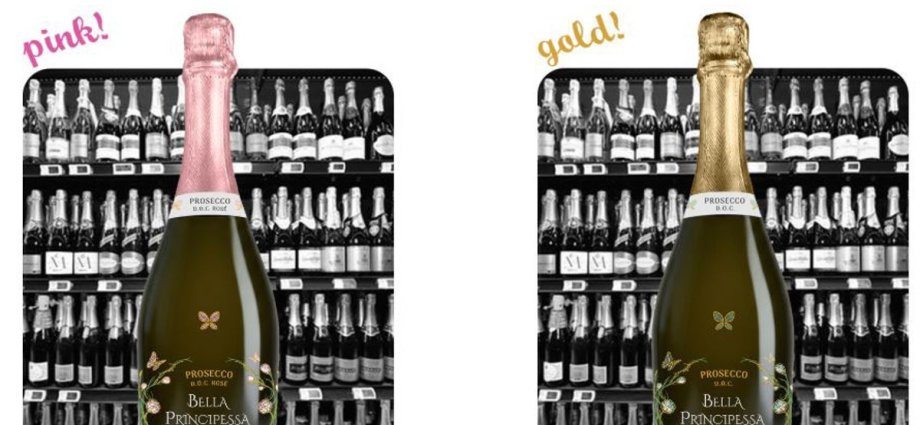
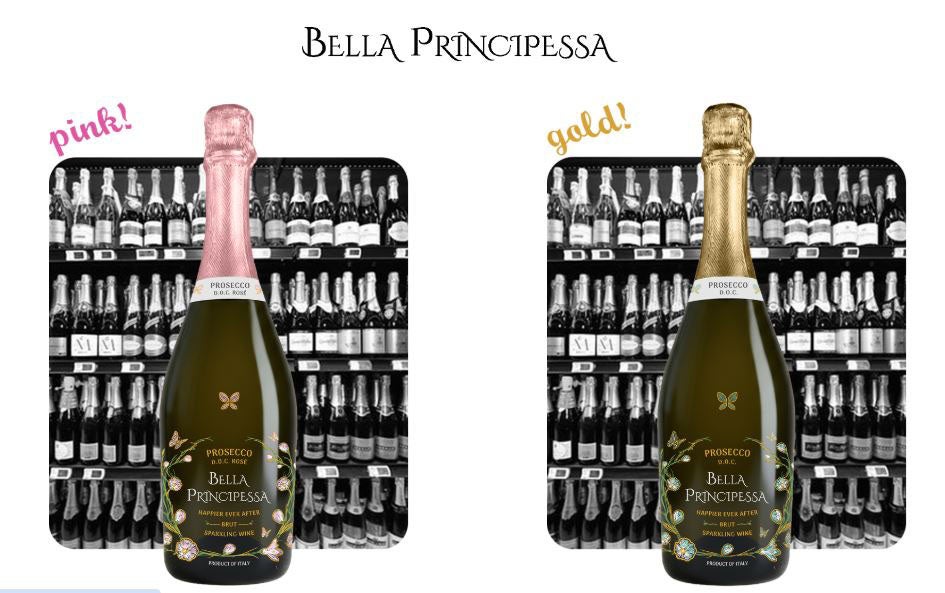
In online advertising copy for the Bella Principessa brand, Michael Goldstein says: “We couldn’t find a Prosecco that tasted exceptional, looked beautiful and felt meaningful enough to share with the people who matter most, so we made one – Bella Principessa. The Prosecco guests are proud to ask for by name. It comes in two expressions: Rosé and Brut. Always in good taste.”
The wine is described as being “crafted in the sunlit hills of northeastern Italy’s Veneto region in partnership with a fourth-generation winery”.
“Bella Principessa is a premium Italian Prosecco produced under Italian Prosecco D.O.C. standards…Each ceramic-painted bottle, adorned with Italian floral artwork and the Bella Principessa butterfly, is as striking on the table as the wine is in the glass,” the advert states.
Ruling this week on a bid by the Goldsteins and the company to strike out the claim against them, the judge said: “Michael and Ralph Goldstein are alleged either to have had, or to have, significant control over the acts of Prosecco International of which complaint is made.“
In denying infringement, Prosecco UK and the pair maintained amongst other defences that Consorzio was suing the wrong target, as the real owner of the offending website domain names is a US drinks company.
He noted that the defendants admit that drinks which are not Prosecco wines, including vodka and wine in a can, featured “on an older version of the two websites in issue, although they say none of those drinks were sold.”

“They contend that this did not amount to an infringement of any rights held by the Consorzio and in any event the appearance of the non-Prosecco drinks on the two websites has now ceased,” he continued.
“They say the websites now only feature the Bella Principessa wine and a Prosecco Rosé wine, both of which conform to the PDO Prosecco specification.
“In particular, the Bella Principessa wine…belongs to a subcategory of Prosecco wines designated Prosecco DOCG wines which all are, by definition, Prosecco DOC wines.
“The defendants’ case is that the Bella Principessa and Prosecco Rosé wines are genuine PDO Prosecco wines.
“The Consorzio does not accept that the Bella Principessa and Prosecco Rosé wines conform to the PDO specification.”
Dismissing the application brought by the defendants, the judge said the evidence put forward to support the defence that the two wines conform to Prosecco specifications had been filed late and that it would have to go forward and be considered in a full trial.
He continued: “I do not accept that I can assume on the evidence now available before the court that the damage caused to the Consorzio as a consequence of the admitted use of the sign PROSECCO in the past has been negligible.
“This may be a matter for evidence at the trial, dependent upon which the trial judge may or may not grant an inquiry as to damages or an account of profits.
“However, on the evidence available to the court now, it may be that the damage was significant.
“I take the view that the defendants have not shown that the Consorzio has no prospect of succeeding in its claims for infringement of the Regulation and Certification Mark.”
He added: “The question whether the content of the websites in issue constitutes infringement of the Regulation and the Certification Mark must be resolved at trial.”