










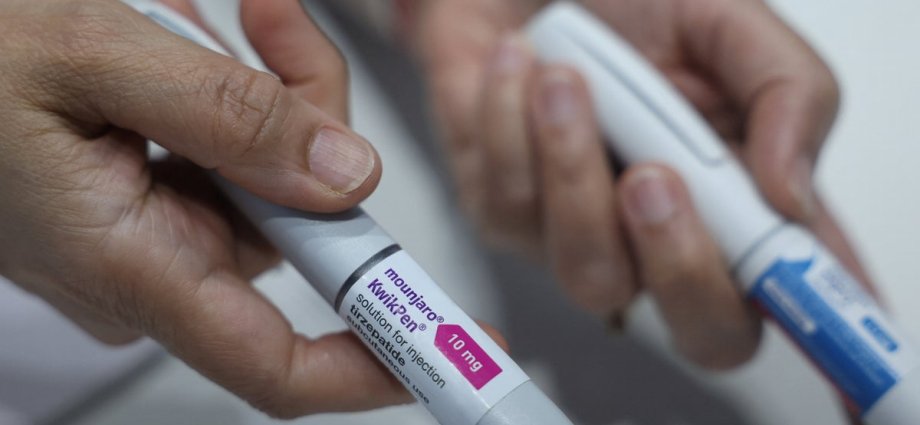
A new study suggests that Eli Lilly’s GLP-1 drug tirzepatide, marketed as Zepbound and Mounjaro, leads to greater overall weight loss than Novo Nordisk’s semaglutide, sold as Wegovy and Ozempic. However, this comes at a higher cost to muscle and connective tissues, according to research published ahead of peer review this week.
Both tirzepatide and semaglutide have surged in popularity for their efficacy in weight management and have demonstrated additional health benefits, including protective effects on the heart. Despite their success, concerns have persisted regarding their potential to induce a loss of muscle and other components of lean body mass alongside fat reduction.
The researchers analysed data from approximately 1,800 patients using tirzepatide and 6,200 using semaglutide. Their findings indicated that tirzepatide was consistently linked to a more significant reduction in lean body mass compared to semaglutide. Patients on tirzepatide experienced an average of 1.1 per cent more lean body mass loss after three months, escalating to 2 per cent after 12 months of continuous use, according to the analysis conducted by Massachusetts-based data analytics firm nference.
“This suggests that patients shouldn’t simplistically be thinking, ‘I want to lose X amount of weight and I’ll go with the option that delivers greater weight loss,’” said study leader Venky Soundararajan of nference on the study data published online.
Patients were tracked before and during treatment either with low-radiation scans or with “smart” scales that estimate body fat percentage, muscle mass, bone mass, and other components.
The study cannot explain why lean body mass loss was greater with tirzepatide, which mimics the hormones GLP-1 and GIP, compared with semaglutide, which only mimics GLP-1. Mimicking the hormones slows digestion and makes patients feel full.
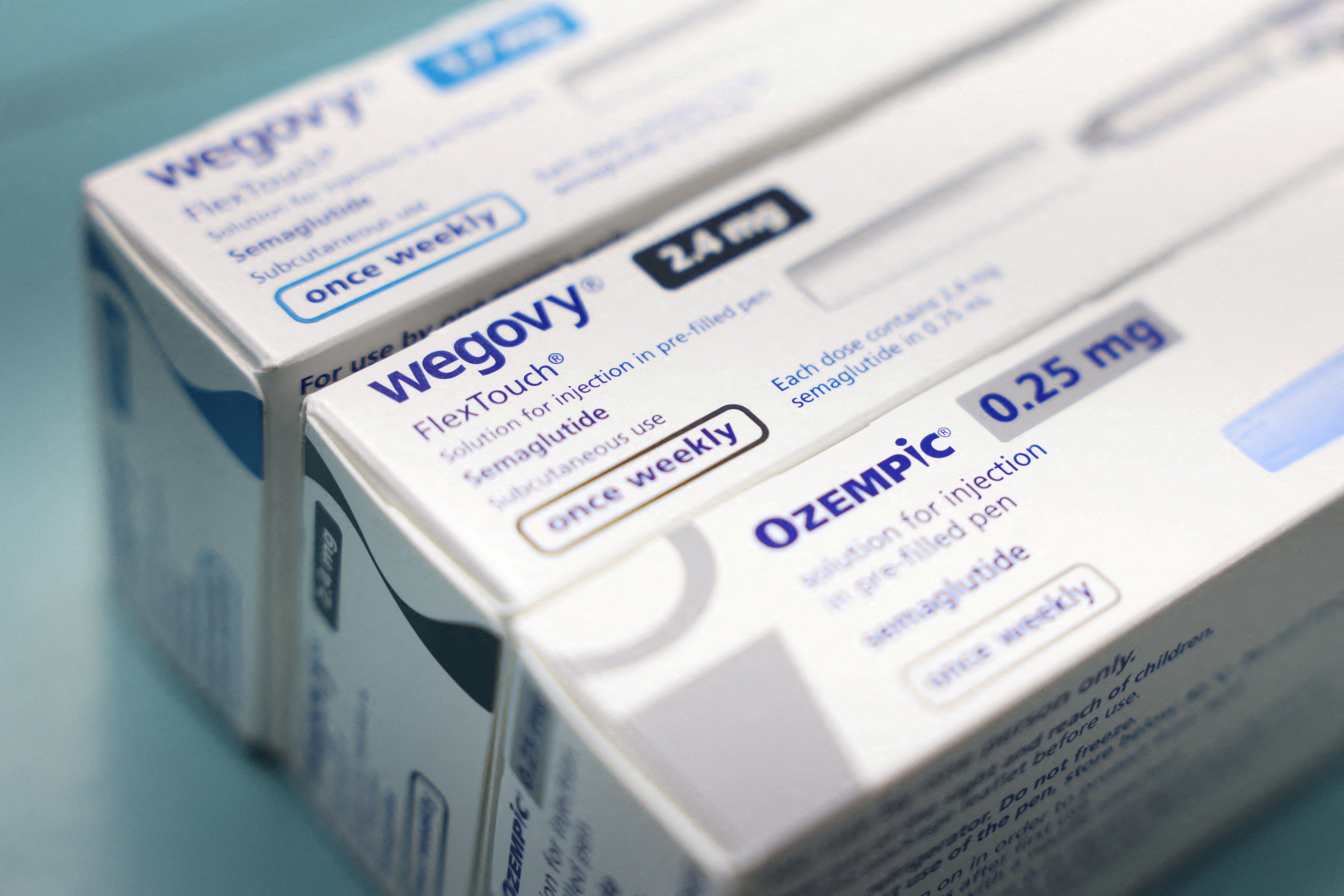
A Novo spokesperson did not comment on the current study but said changes in muscle mass did not significantly differ between semaglutide and placebo groups in clinical trials, and physical function was preserved.
A Lilly spokesperson said fat loss achieved with healthy dieting is similarly accompanied by lean body mass loss.
In its late-stage clinical trial, “the ratio of fat-mass loss to lean-mass loss for patients treated with tirzepatide was generally consistent with that reported in lifestyle-based treatments for obesity,” the spokesperson said.
Roughly 10% of tirzepatide users who lost more than 20% of their total body weight were found to have lost more than 5% of their lean body mass. That was true for fewer than 7% of semaglutide users who lost the same percentage of body weight.
Decreased exercise tolerance during treatment was linked with greater lean body mass loss in both groups, but to a greater extent in tirzepatide-treated patients.
Higher doses, longer treatment, and the presence of musculoskeletal pain before treatment began were also associated with greater lean body mass decline with both drugs, the researchers found.
“It’s a vicious cycle,” Soundararajan said. “If you start with a drug which puts you at a greater probability of lean body mass loss… and you have a preexisting history of musculoskeletal diseases, it puts you at greater risk of lower tolerance to exercise. And if you’re not exercising when you’re on these medicines, you are essentially causing attrition of lean body mass.”