










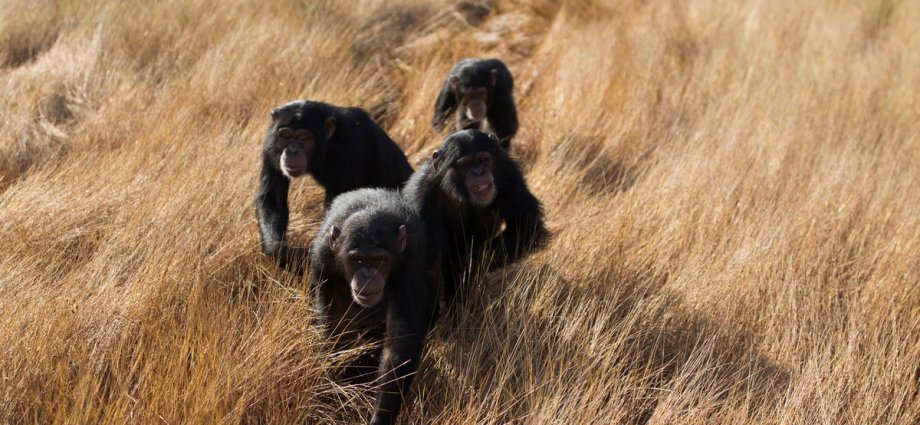
Scientists are studying a rare, large-scale war between formerly friendly chimpanzees in central Africa in the hope that it could shed light on the belligerent nature of the apes’ closest biological relatives: human beings.
The violent feud among the world’s largest chimpanzee community – known as Ngogo chimpanzees – has led to the killings of seven males and 17 infants living across 10 miles of Uganda’s Kibale National Park, researchers said Friday.
The unconnected deaths of several key male Ngogo leaders may have been the spark that caused the war, splitting the patriarchal group’s 160 members into two separate factions, according to Yale University.
“It was shocking to see chimps that once had close, intimate friendships become violent, lethal enemies within just a couple of years!” primatologist Iulia Bădescu wrote in a post on Bluesky following the publication of the findings.
The findings could help humans better understand our own call to war, Aaron Sandel, an associate professor of anthropology at the University of Texas at Austin, explained.
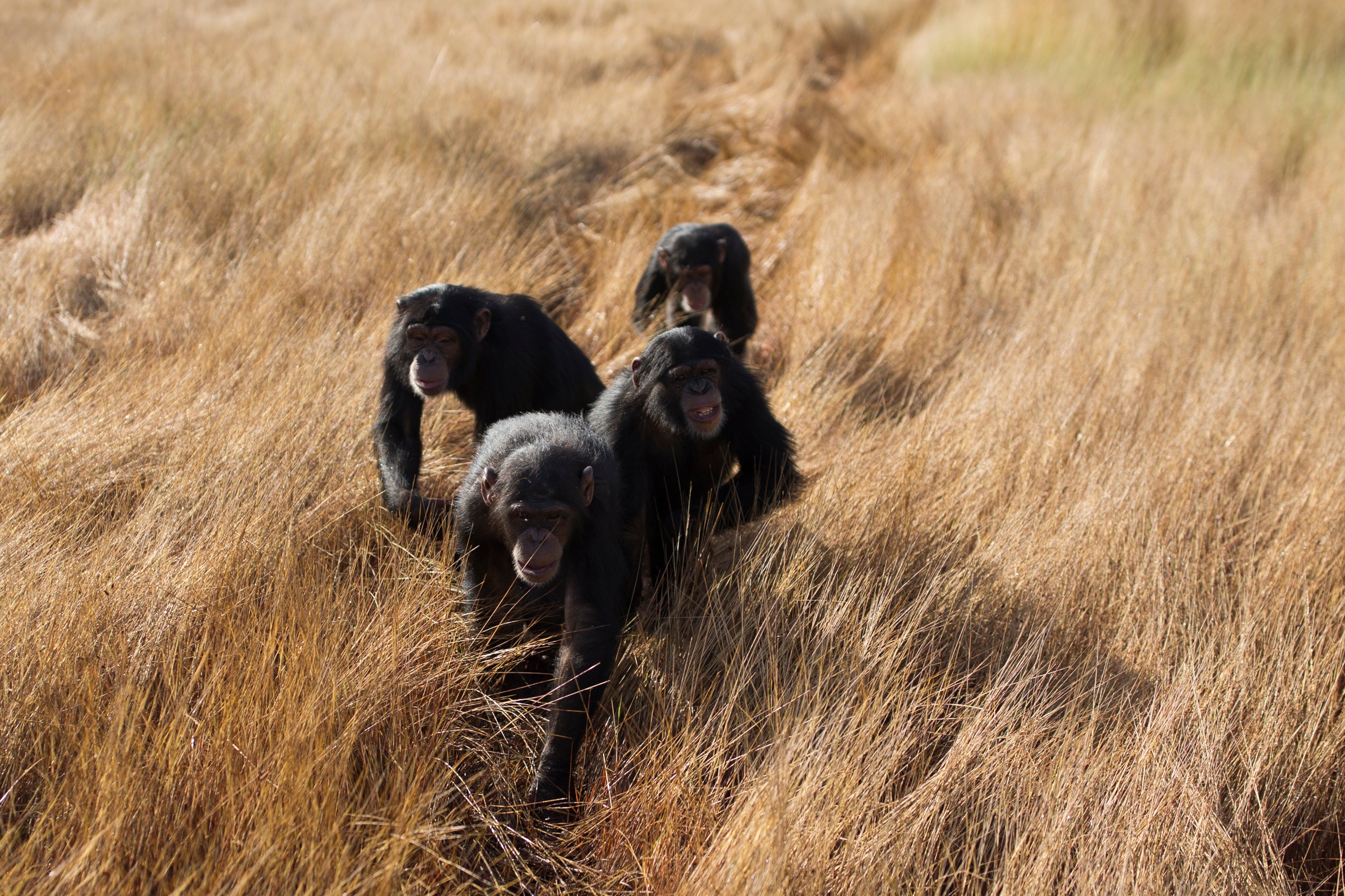
“I would caution against anyone calling this a civil war,” Sandel, the lead researcher, said. “But the polarization and collective violence that we have observed with these chimpanzees may give us insight into our own species.”
The polarization among the chimpanzees took place in 2015. Over the next seven years, members of one of the groups made 24 attacks on their former allies, killing the adult males and infants.
The report, based on decades of GPS-based ranging, 24 years of studying social networks and three decades of demographic data, analyzed three periods: a shift from cohesion to polarization in the group, two years of increasing avoidance between the two factions and then lethal aggression between them.
The report says that the findings “provide evidence that shifting relationships, independent of cultural markers, can fracture a community and catalyze collective violence.”
The question now is if those findings can apply to humans, who have have been at war for more than 10,000 years. But whether or not war is a part of human nature remains a hotly debated topic.
Some researchers say what makes humans go to war is purely circumstantial, while others argue that there are primal roots in human evolution that push us towards conflict.
The new findings don’t settle this debate, but do suggest that humans may need to reassess what we know about the factors that lead to war. Sandel and his fellow researchers say that their work challenges any assumption that human conflicts, including civil wars, start primarily due to identity and differences in culture.
“If relational dynamics alone can drive polarization and lethal conflict in chimps without language, ethnicity or ideology, then in humans, those cultural markers might be secondary to something more basic,” he said.
And if that is true, Sandel says humans “may have the potential to reduce societal conflicts in our personal lives.”
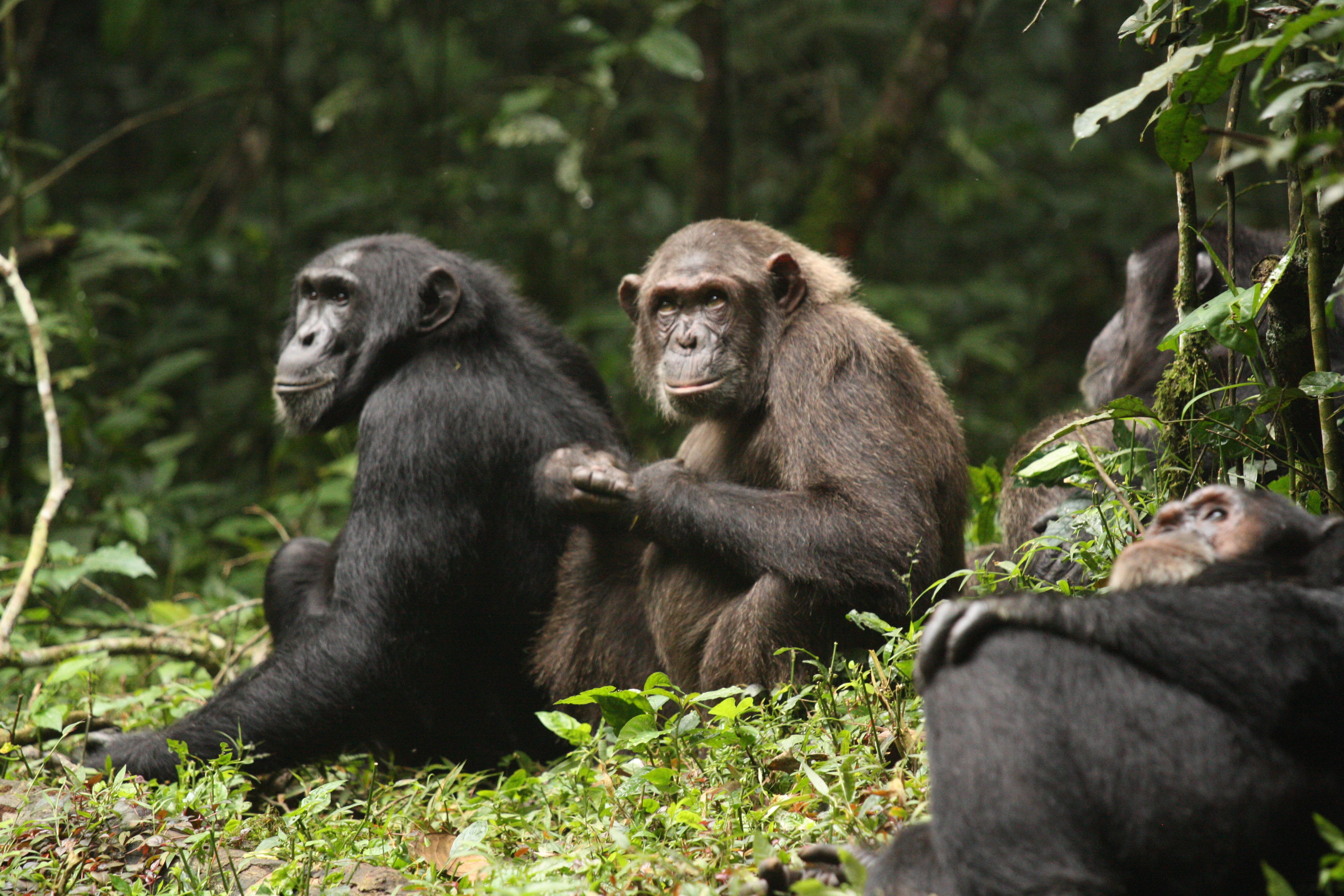
Sandel’s research builds on decades of prior observations of chimpanzee relationships, and could help better understand the only previously observed instance of large-scale conflict between chimpanzees, too.
That was recorded in the 1970s by renowned primatologist Jane Goodall.
Tanzania’s Gombe Chimpanzee War lasted four years, resulting in killings and territory grabs, according to Duke University scientists. However, that war eventually led to a reunification.
Another difference is that humans were potentially a contributing factor, through giving food to the chimpanzees in the area.
That’s not something that happened in the current conflict between Ngogo chimpanzees in Uganda, although the impact of the food that researchers fed Gombe chimpanzees is also widely disputed.
“I was struck by some of the similarities of what they’ve described to what we observed in Gombe,” Anne Pusey, a retired primatologist who worked with Goodall in Tanzania and wasn’t involved in the new study, told NPR after the news broke.
“It’s rather uncomfortably familiar seeing how these relationships can break down and then lead to antagonisms between groups that weren’t there before.”