







Want to bookmark your favourite articles and stories to read or reference later? Start your Independent Membership today.
Join today
Already a member?
Log in
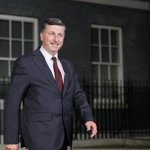
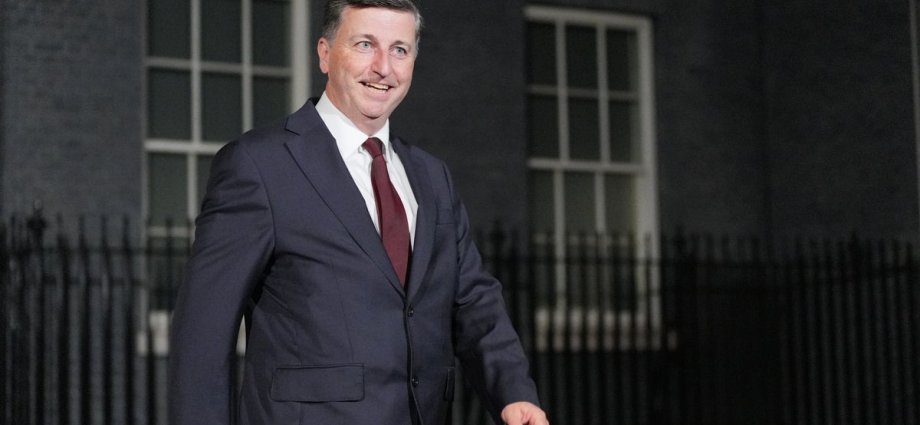
Douglas Alexander has become the first senior member of Andy Burnham’s government to openly push for the UK to “fix Brexit”.
Speaking at the Pontignano Conference in Rome, Mr Alexander, the Scottish secretary, will deliver a damning assessment of Brexit and warn: “We cannot deliver the change Britain needs over the next decade without changing our relationship with Europe.
“When the status quo is not working, you don’t stand still. You move forward. When the status quo is broken, you don’t ignore it. You fix it.”
It is understood that Mr Alexander, a former trade minister, is one of the senior voices telling Mr Burnham that the UK needs to either rejoin the customs union, single market or the EU completely.
Mr Alexander’s speech will put the integrity of the UK’s own union with the threat of Scottish independence at the heart of his case for a new relationship with the EU.
He will note that, in the referendum a decade ago, almost two thirds (62 per cent) of Scots voted against Brexit, with every constituency opposing breaking with Britain’s biggest neighbour just two years after they had rejected Scottish independence.
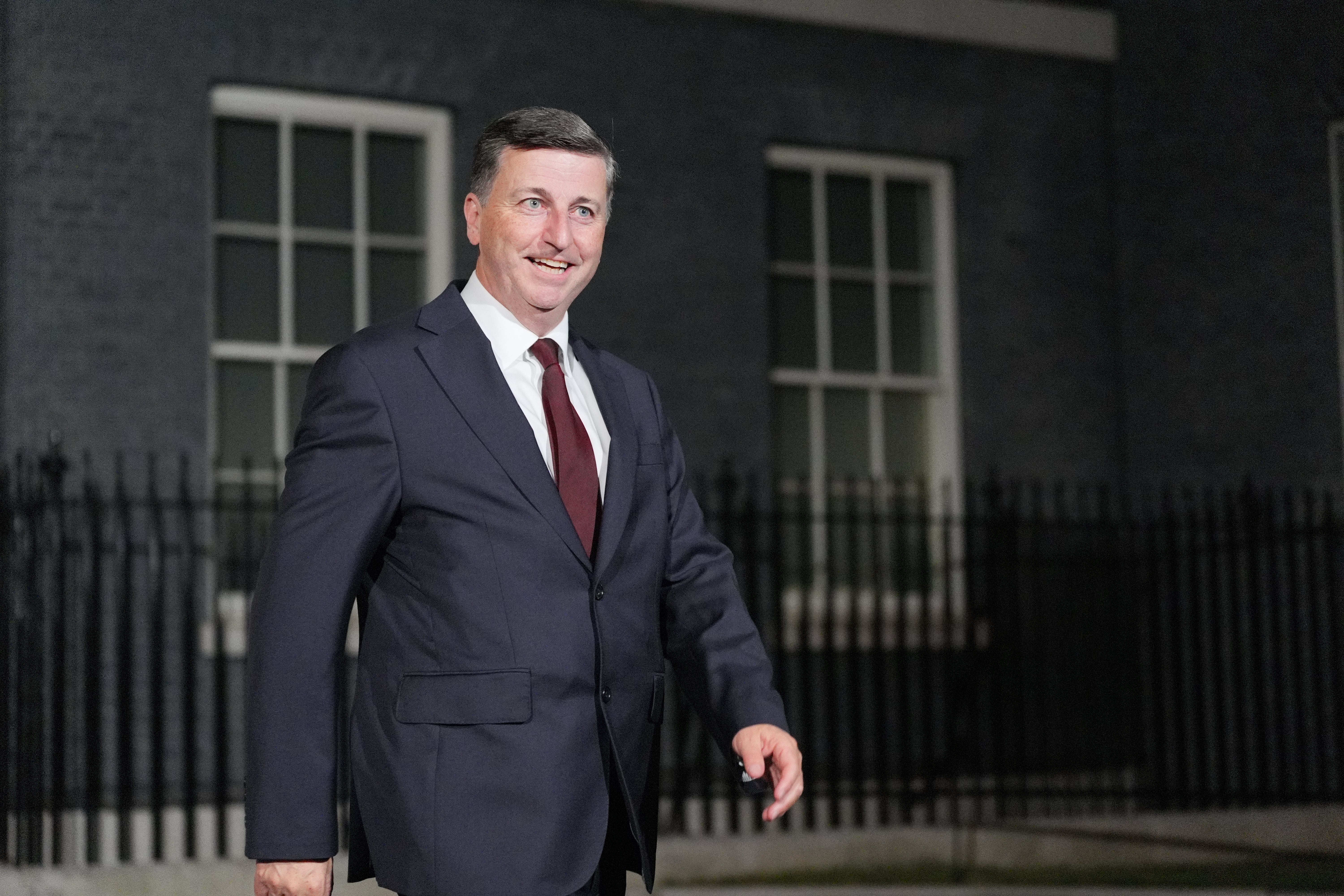
He will say: “I’m often asked why we want to return to the question of Europe but not that of Scottish independence. The answer is simple. Fixing our relationship with our neighbours is fundamentally different from breaking up our own country. Scotland’s story in Europe runs through interdependence, not independence.”
The speech comes hot on the heels of the prime minister agreeing a Brexit reset deal with the European Commission which has undone some of the harms of the UK’s decision to leave the EU.
Already two anti-rejoin campaigns – the Tory focussed Stay Out and Reform-linked Keep Britain Out – as well as the rejoin alliance Get In! have all been launched in anticipation of a referendum.
It is expected that a pledge to rejoin will be part of a future Labour manifesto, followed by renegotiations and second referendum if there is a rejoin majority in the next parliament.
Mr Alexander will laud the agreement to end border checks for food and drink and set up a youth mobility scheme for up to 100,000 under-31s in the UK, with the same number of EU citizens coming to Britain.
But the speech comes just weeks before Mr Burnham is set to kickstart a national conversation on the future of Brexit and the four options the UK now faces.
As part of his 10-year plan Mr Burnham is expected to ask UK citizens if they prefer to keep the status quo, something he opposes, or rejoin the customs union, single market or the EU.
In his speech, Mr Alexander, an influential figure in the government with wide foreign policy experience as a former international development secretary, will make it clear that he, like the prime minister, does not think the status quo is sustainable.
At the UK-Italy conference he will say that last week’s successful UK-EU agreement is “a floor – a proof of concept, not a ceiling” for Britain’s ambitions.
He is expected to add: “A decade on, and contrary to the claims of the Brexiteers, we are living in a more uncertain and more dangerous world. People were right to want more control over their lives. Brexit was a democratic decision, and I respect it, but respecting a vote doesn’t mean denying the costs or consequences of that choice.
“Brexit is no longer an abstract idea or a series of impossible promises. It’s our reality. And we now know it has failed even on its own terms. The choice today is whether to settle for that diminished status quo, or seek to change it by giving our people more power, more control, and more hope for a better future.”
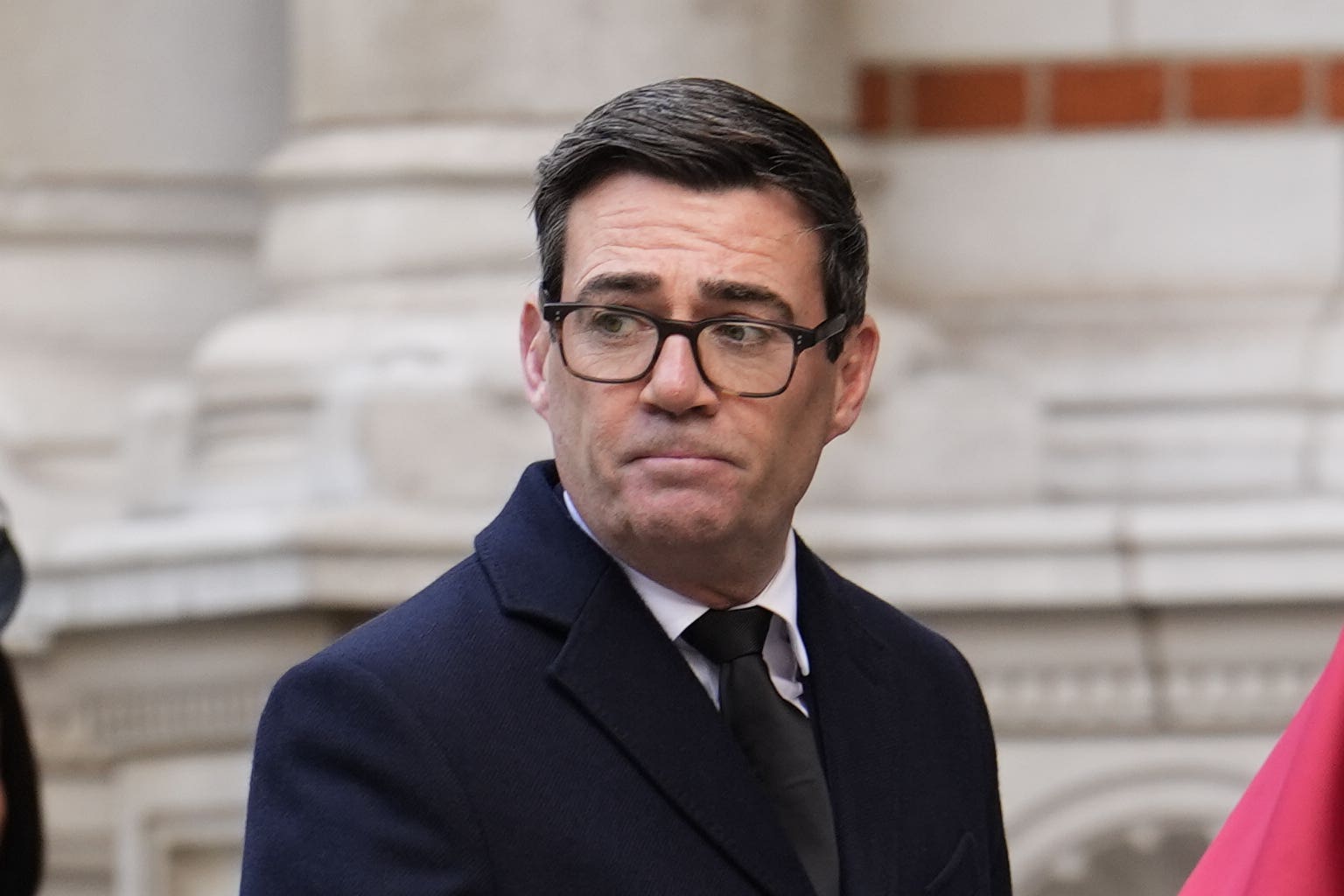
Mr Alexander will also set out Scotland’s place in a partnership with Europe, and to the 62 per cent of Scots who voted to remain in 2016.
He is expected to say:“Scotland has never been made great by building walls. We were made great by building bridges. In 2016, 62 per cent of Scots voted to remain. That wasn’t a passing mood. It came from something old and deep in who we are. A nation that for centuries has been part of a multinational union and that has always looked outward, to Europe and to the world.
“For Scotland and the United Kingdom, partnership means pooling and sharing our resources. That is how Scotland stands taller in the world, as part of a country with a permanent seat on the UN Security Council, a leading place in NATO and one of the world’s largest economies.
Mr Alexander will also say that young people were “the biggest losers of Brexit in the last decade”, and will highlight the youth experience scheme agreed in Brussels, under which 100,000 young people from each side will be able to spend up to three years working, studying, volunteering or travelling, and the UK’s return to Erasmus+ in 2027.
He will announce that next week he will meet the principals of Scotland’s universities, as part of his regional empowerment roundtables, to explore how to make Scotland “the best place in Europe for Erasmus”.