









Want to bookmark your favourite articles and stories to read or reference later? Start your Independent Membership today.
Join today
Already a member?
Log in
Weight-loss drugs may offer benefits beyond helping people lose weight. New studies link popular GLP-1 medications to better heart function, fewer falls in older adults and lower healthcare costs.
Research presented at the Obesity Week 2026 medical meeting in Washington suggests the drugs could have a wider role in improving health and quality of life.
One study by Mayo Clinic researchers found that people with obesity and a type of heart failure experienced improvements in heart size, structure and function after taking GLP-1 medication for a year.
The study focused on heart failure with reduced ejection fraction, where the heart’s main pumping chamber is weakened and struggles to pump enough blood around the body.
Researchers compared 146 patients taking GLP-1 drugs with 237 similar patients who were not receiving the medication. Those taking the drugs had greater improvements in heart function and lost more weight.
An exploratory analysis of patients followed for two years suggested some improvements continued beyond the first year.
Many of the heart improvements also remained significant after researchers accounted for weight loss. This suggests the drugs may benefit the heart in ways that go beyond reducing body weight, although further research is needed to confirm this.
Could the drugs help people with heart failure?
The findings follow separate research presented at the American Heart Association’s Scientific Sessions in Chicago the previous week.
That study involved 81 adults with obesity and heart failure with preserved ejection fraction. This type of heart failure occurs when the heart struggles to relax and fill with blood, even though its pumping ability is not significantly weakened.
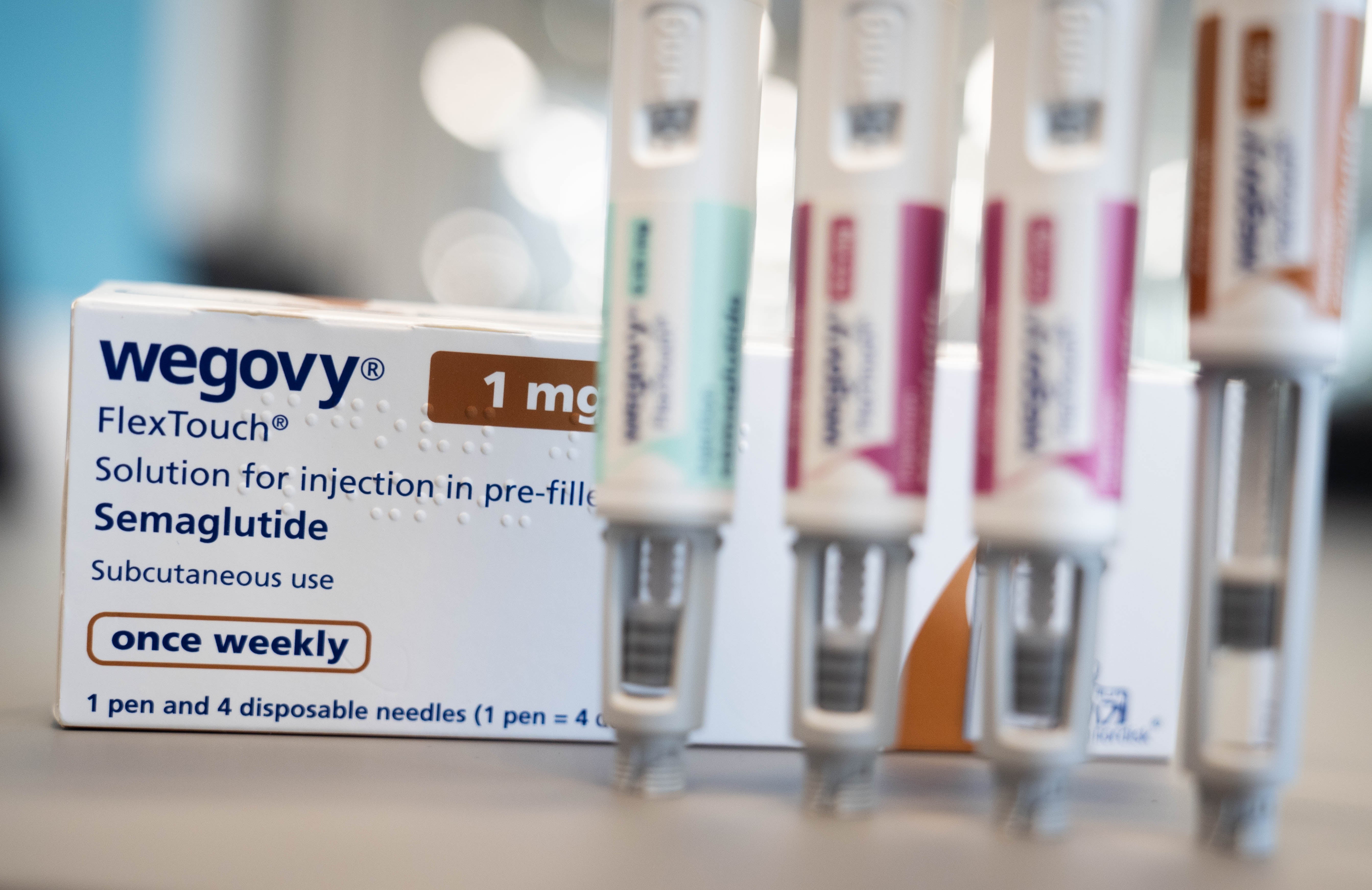
Participants received either semaglutide or a placebo for 52 weeks. Those taking the drug had lower pressure inside the heart, both at rest and during exercise.
More than half of the patients treated with semaglutide also experienced remission of their heart failure, researchers reported. The findings were published in Nature Medicine.
For people living with heart failure, better heart function could make everyday activities, such as walking and exercising, easier. However, the results do not mean GLP-1 drugs will have the same effect on every patient.
Weight-loss drugs linked to fewer falls in older people
Another study suggests GLP-1 drugs could help older people with obesity stay mobile and independent.
Researchers followed more than 122,000 adults aged 65 and over for two years. None had mobility problems at the start of the study.
Those taking GLP-1 drugs had a 13 per cent lower risk of falls and a 37 per cent lower risk of becoming dependent on a wheelchair than those taking metformin, a common diabetes medication.
The findings suggest the drugs could help some older adults maintain their independence, although the study cannot prove they prevent falls or mobility problems.
Could expensive drugs save money over time?
Researchers also looked at whether GLP-1 drugs could reduce healthcare costs by preventing hospital visits.
Eli Lilly compared more than 171,000 people who had taken its weight-loss drug Zepbound for at least a year with a similar-sized group who had not. None had diabetes.
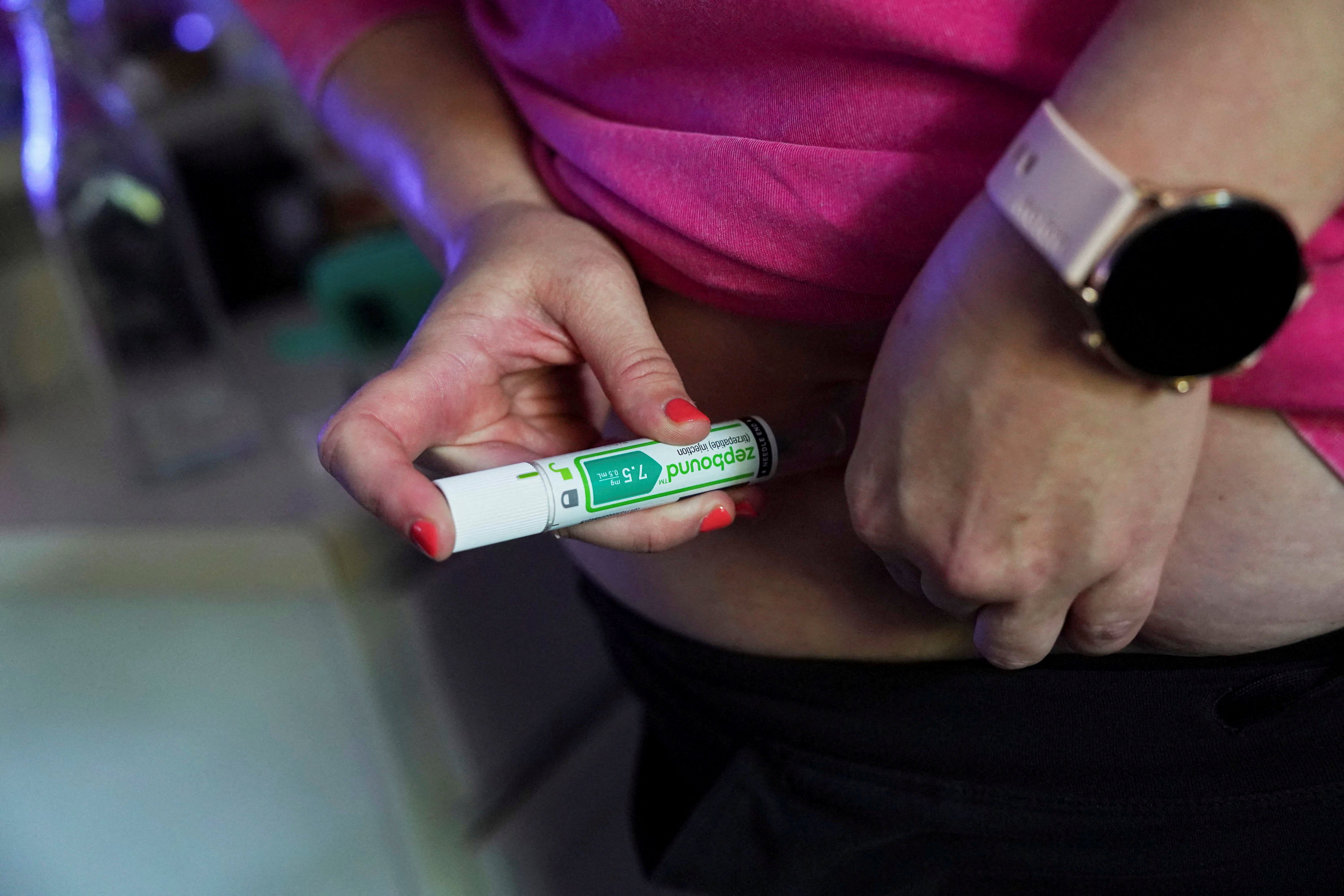
Healthcare costs stayed steady among Zepbound users but rose among those not taking the drug.
People taking Zepbound also had fewer hospital admissions and emergency visits. The difference increased from seven per cent after three to six months to 34 per cent after 12 to 18 months.
Lilly said the findings suggested the drug could offer greater financial benefits over time. However, the study did not establish whether savings on healthcare would cover the cost of the medication.
Zepbound can cost more than $1,000 (£760) a month without insurance. Separate research by CVS Health suggested employers and health insurers could break even on GLP-1 drugs if they cost less than $350 a month.
Another study, involving around 15,000 US adults, linked starting GLP-1 medication to improved employment rates and productivity.
The findings come as some employers reconsider whether to cover the drugs through health insurance because of their high cost. Together, the studies suggest GLP-1 drugs may have benefits beyond weight loss. But more research is needed to establish their long-term effects and whether those benefits translate into lasting improvements in people’s lives.