










Want to bookmark your favourite articles and stories to read or reference later? Start your Independent Membership today.
Join today
Already a member?
Log in
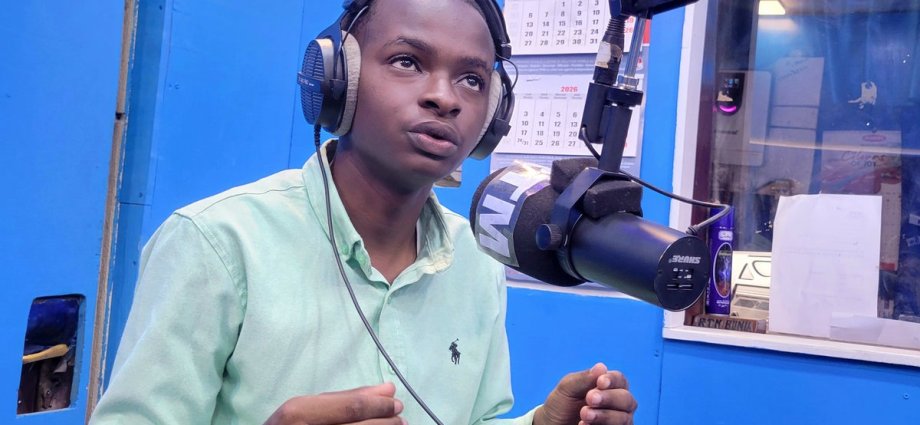
In the Democratic Republic of Congo’s Bunia, the original epicentre of the second deadliest Ebola outbreak in history, a group of children are taking to the airwaves to share information about how to stay safe.
As the epidemic passes the six-month mark since it was declared by the World Health Organisation (WHO), and continues to outpace the response, the young presenters are broadcasting on local radio to bust dangerous myths about the disease that have hampered the response effort and prevented people from seeking help.
The virus has killed at least 5,430 people and infected 11,000 so far, and persistent misinformation about its origins have driven mistrust of medical workers, attacks on health facilities and deterred sick people from getting treatment.
Yet through live and pre-recorded shows on two local radio stations, Radio Mont Bleu and Radio Télé Salama, 35 children – the youngest just 8 – have reached more than 800,000 listeners. They discuss how the virus spreads, what symptoms to look out for and where to seek help.
“Previously, some people believed that Ebola was linked to witchcraft or that it was entirely fabricated,” said Deborah, 16, who is part of the radio show. “I have seen that these broadcasts have truly helped shift mindsets.”
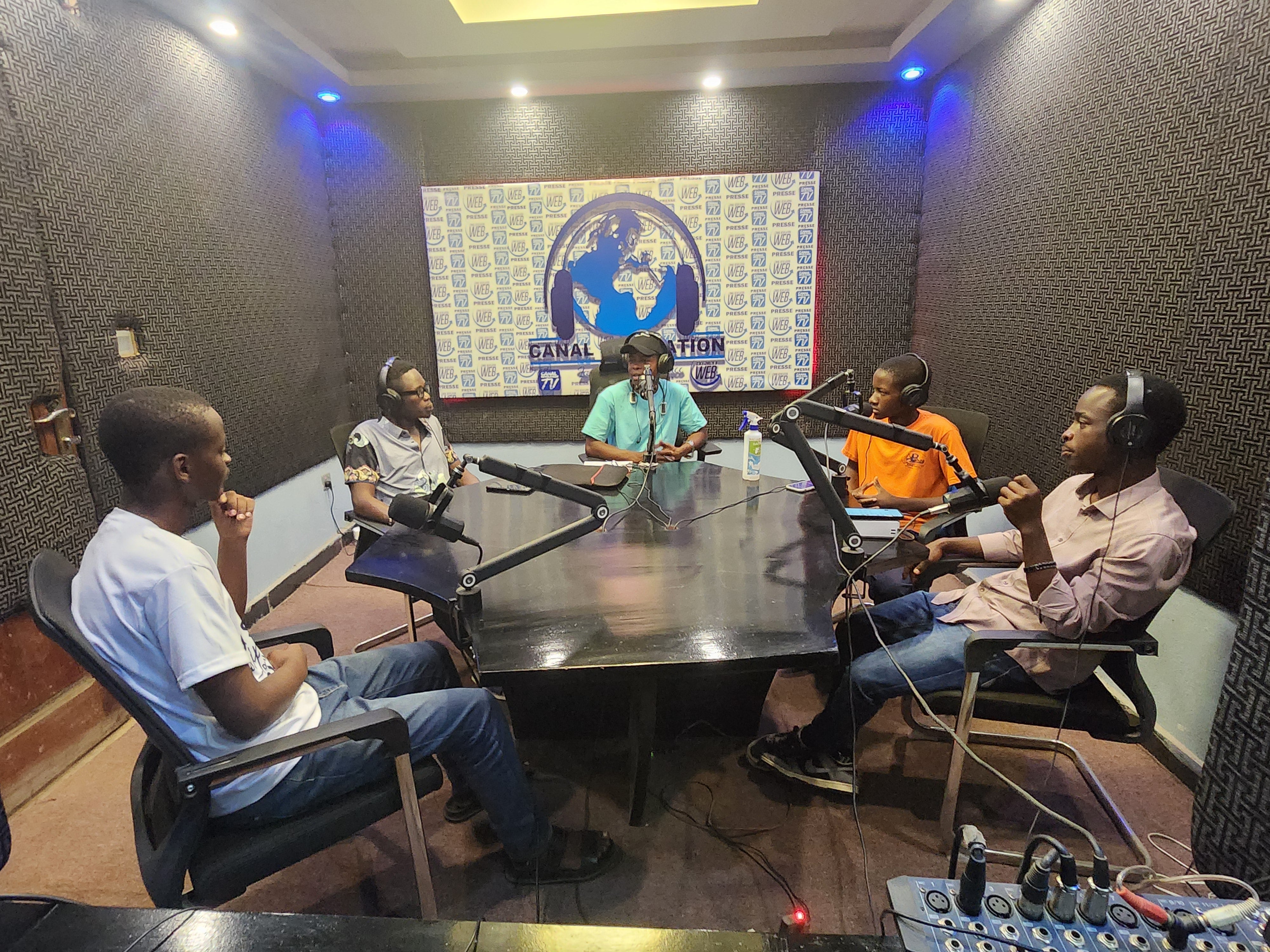
One of Deborah’s neighbours used to claim that Ebola didn’t exist, but after listening to the show he knew exactly what to do when his brother fell ill with a fever, she said.
“Many children have started washing their hands more regularly, and some parents now encourage their children to follow hygiene and prevention measures,” said Sandrine, 13.
The children’s names have been changed to protect thier identities.
The current outbreak of Ebola is caused by the rare Bundibugyo species of the virus, for which there is no treatment and no cure. Declared on May 15, it is thought to have been active for several months before it was discovered.
It is the second deadliest outbreak anwhere in history, and the DR Congo’s deadliest.
Its spread has exposed the difficulties of containing an epidemic in a region already battered by years of conflict, displacement and chronic poverty. Efforts have also been hampered by wide-ranging cuts to international aid.
Africa’s top public health agency, Africa CDC, warned on Sunday that the outbreak remains out of control and that despite US$2.9 billion being pledged towards the response, less than half of the money has so far been disbursed.
Some health workers have not been paid since August and have gone on strike over working conditions, while medical supplies are failing to reach some of the worst-affected areas, further hampering efforts to contain the virus.
Last month, a nurse was also killed and another community health worker injured by an armed mob who accused them of spreading the virus by contaminating water supplies.
Additionally, nearly seven million people are internally displaced by fighting in eastern Congo, leaving families struggling to access clean water, healthcare and other basic necessities.
The virus has now spread to 67 health zones across eight provinces, and around a quarter of those who have died are children. At least 2,000 thousand more have been orphaned or separated from their families.
Aid organisations have warned that, after six months, the response risks falling further behind without sustained funding and greater investment in healthcare and community prevention.
Save the Children, who supported the radio scheme as well as helping to deliver other life-saving care, has called on the UK government to prevent future outbreaks by investing in primary healthcare and training health workers, ensuring children are central to emergency responses.
Concern Worldwide warned that funding for its DR Congo programmes could run out within three months, but that protect support to protect communities from the virus is vital, including the provision on clean water, soap and hygiene facilities.
The children, who are able to speak to their own communities on radio in their own language, understand local fears and could prove an important voice in the fight against the outbreak.
This article has been produced as part of The Independent’s Rethinking Global Aid project